











For years, conversations around gunfire detection technology have understandably focused on the alert itself — how quickly agencies are notified, response times, and the ability to detect incidents that may never be called into 911.
Those things matter. Rapid awareness can significantly impact officer response, victim aid, and investigative timelines.
But the alert is only the starting point.
The real operational value of gunfire intelligence comes from the context surrounding the incident and an agency’s ability to turn information into situational awareness.
One alert may tell you what happened in a moment. A broader analytical view can help explain why incidents continue occurring in certain areas, where escalation patterns may be emerging, and how agencies can better deploy resources moving forward.
As public safety agencies continue modernizing operations, the conversation is evolving beyond simply detecting gunfire toward understanding how intelligence can support operational awareness, strategic deployments, investigations, and long-term violence reduction efforts.
That shift requires more than visibility into individual incidents. It requires context.
Looking Beyond Individual Incidents
When incidents are viewed in isolation, it can be difficult to identify larger operational patterns. However, when agencies begin analyzing gunfire activity over weeks, months, and years, the data often starts telling a much larger story.
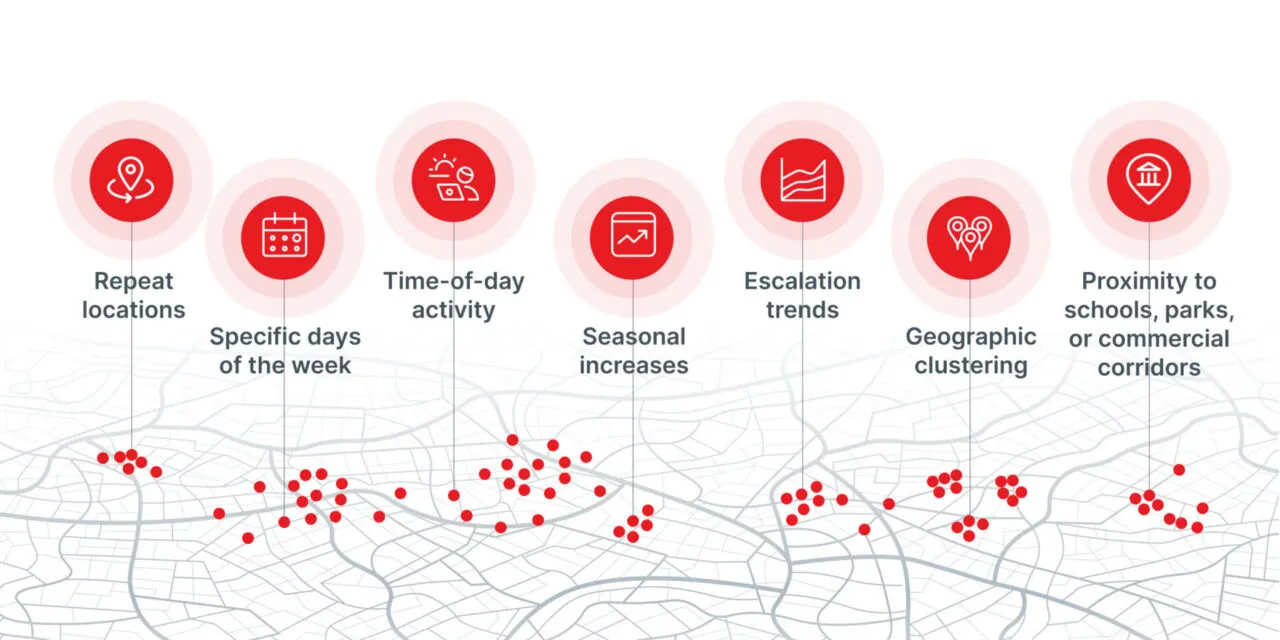
Patterns may begin emerging around:
- Repeat locations
- Specific days of the week
- Time-of-day activity
- Seasonal increases
- Escalation trends
- Geographic clustering
- Proximity to schools, parks, or commercial corridors
In many cases, these patterns may not be immediately visible through traditional workflows alone.
Situational awareness is built when agencies can connect those dots operationally and understand not only where incidents are occurring, but how activity evolves over time and how it impacts surrounding communities.
Situational Awareness Is Operational, Not Just Analytical
Historically, much of this type of analysis lived primarily within crime analysis or specialized intelligence units. Today, agencies are increasingly recognizing the value of making operational intelligence more accessible across multiple levels of the organization.
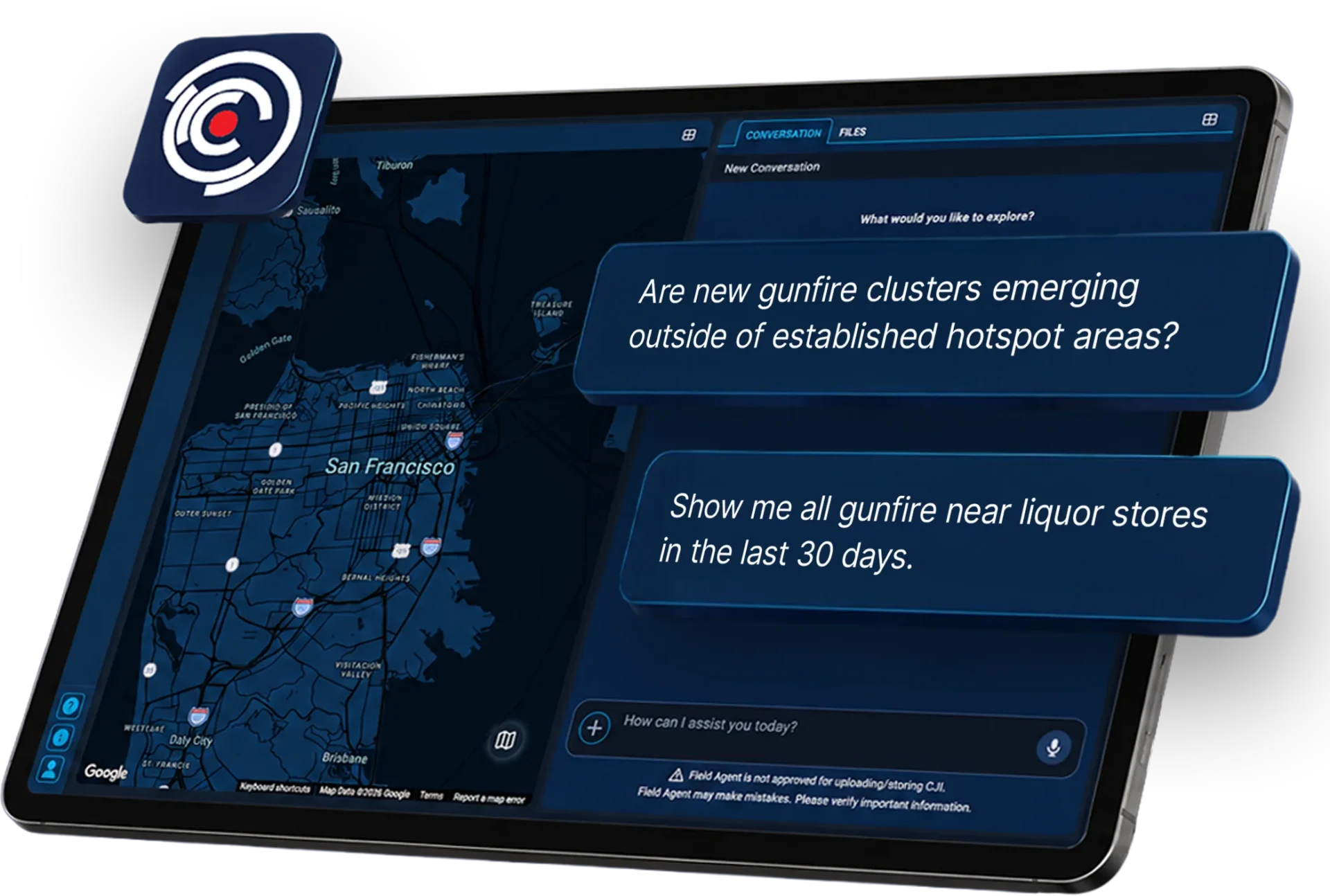
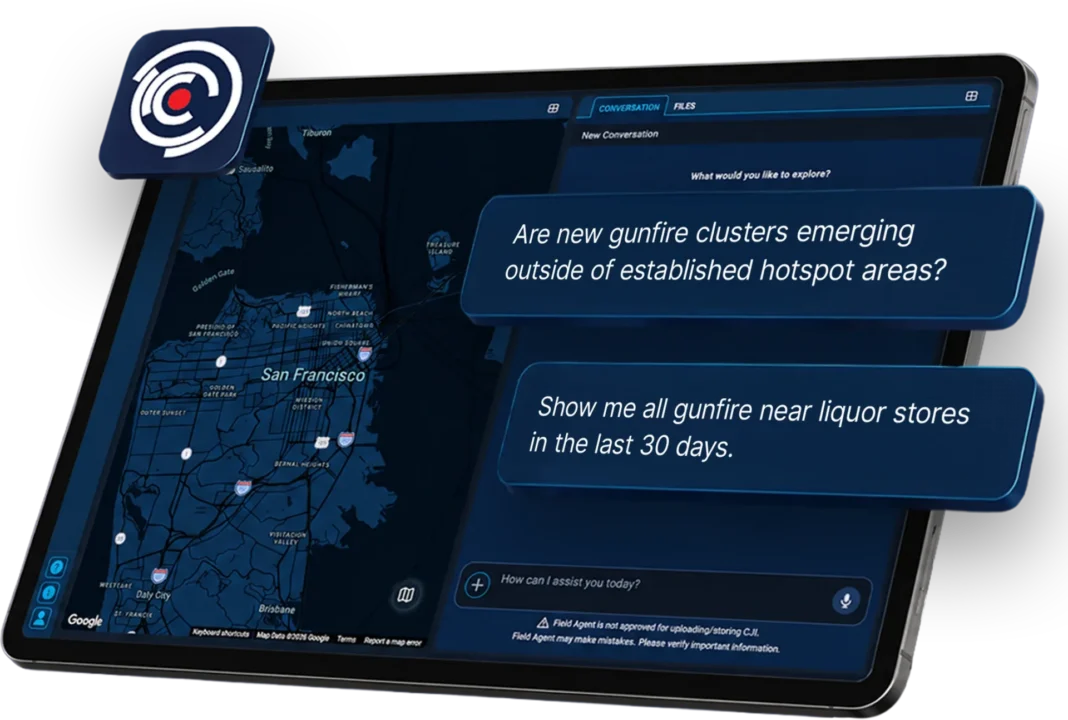
This shift is also driving the need for tools that help bring contextual intelligence closer to the field. Platforms like Field Agent are helping bridge the gap between raw data and operational awareness by making information more accessible to patrol personnel, supervisors, investigators, and command staff in real time.
Patrol supervisors may need visibility into recent activity before deploying units into a specific area.
Investigators may benefit from understanding historical gunfire patterns surrounding violent crime incidents.
Command staff may need a broader understanding of emerging hotspots, operational strain, or recurring areas of concern.
Analysts continue playing a critical role in identifying and contextualizing trends, but situational awareness becomes significantly more impactful when intelligence can support decision-making across the entire agency.
The goal is not simply to collect data. The goal is to operationalize it.
Context Improves Decision-Making
Gunfire incidents rarely occur in a vacuum. Context matters.
Understanding surrounding activity, historical trends, nearby incidents, and operational patterns can help agencies make more informed decisions in real time and over the long term.
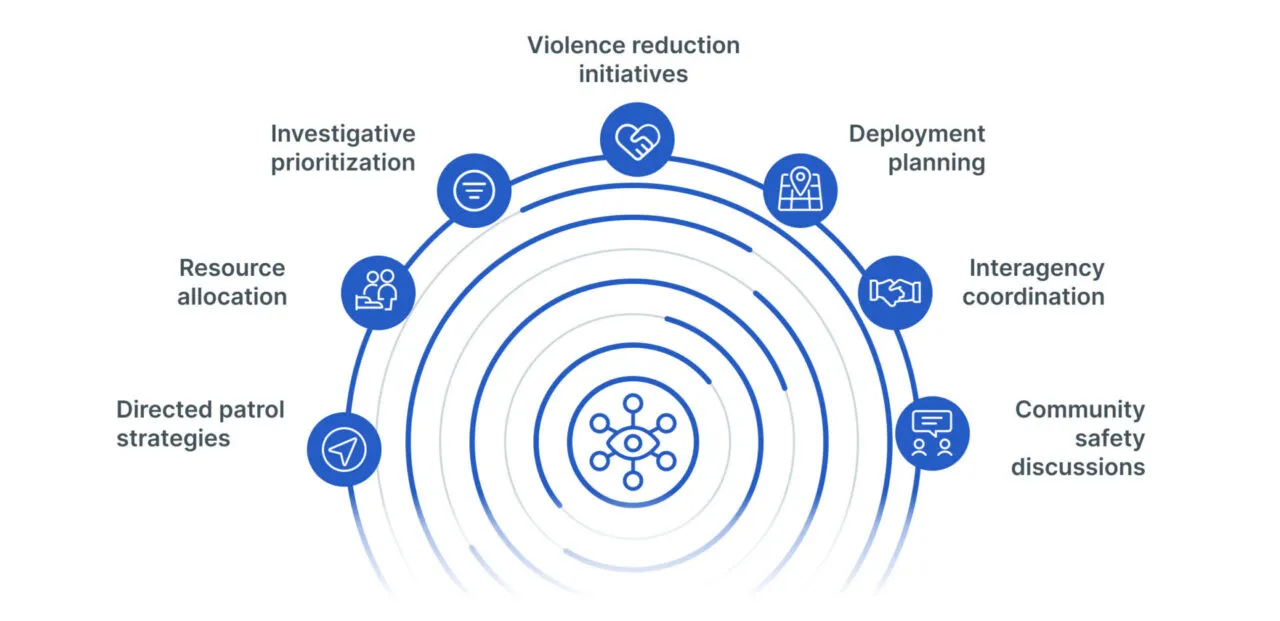
Situational awareness can support:
- Directed patrol strategies
- Resource allocation
- Investigative prioritization
- Violence reduction initiatives
- Deployment planning
- Interagency coordination
- Community safety discussions
In many ways, the evolution of public safety technology is not just about gathering more information. It is about helping agencies better understand the operational environment around them.
That requires connected intelligence, accessible information, and the ability to move from reactive response toward proactive awareness.
The Future of Public Safety Intelligence
Modern public safety operations generate significant amounts of information every day. The challenge is no longer simply obtaining data — it is understanding how to transform that data into actionable operational awareness.
Detection technologies continue playing a critical role in improving visibility into gun violence and other public safety challenges. But long-term operational value comes from understanding the broader picture those incidents create over time.
Situational awareness starts when agencies move beyond the alert itself and begin asking larger operational questions:
- What patterns are emerging?
- What areas are escalating?
- Where should resources shift?
- What trends may require intervention?
- How can intelligence better support personnel in the field?
The agencies that can successfully connect data, context, and operational decision-making will be better positioned to respond not only to incidents as they occur, but also to the evolving public safety challenges surrounding them.
Frequently Asked Questions (FAQs)
What is situational awareness in public safety?
Situational awareness in public safety refers to an agency’s ability to understand operational conditions in real time by combining data, intelligence, historical trends, and active incidents to support informed decision-making.
Why is situational awareness important for law enforcement agencies?
Situational awareness helps agencies improve operational decision-making, resource allocation, officer preparedness, investigative workflows, and long-term violence reduction strategies.
How does gunfire detection technology support situational awareness?
Gunfire detection technology helps provide real-time awareness of potential gunfire incidents, including incidents that may not be reported to 911, allowing agencies to respond faster and analyze broader activity patterns.
What is operational intelligence in policing?
Operational intelligence refers to actionable information that supports real-time decision-making for patrol personnel, supervisors, investigators, analysts, and command staff.
How can agencies analyze ShotSpotter data more effectively?
Agencies can analyze ShotSpotter data more effectively by evaluating long-term trends, repeat locations, time-of-day activity, geographic clustering, escalation patterns, and contextual intelligence surrounding incidents.
What patterns can agencies identify using gunfire intelligence data?
Gunfire intelligence data can help agencies identify repeat gunfire locations, emerging hotspots, escalation trends, temporal activity patterns, and areas that may require proactive deployment strategies.
Why is context important when analyzing gunfire incidents?
Context helps agencies understand the broader operational environment surrounding incidents, including historical activity, nearby incidents, geographic trends, and recurring violence patterns.
How can gunfire intelligence support violence reduction strategies?
Gunfire intelligence can support violence reduction by helping agencies identify emerging hotspots, improve deployment strategies, prioritize investigations, and allocate resources more effectively.
How can public safety agencies operationalize intelligence data?
Public safety agencies can operationalize intelligence data by making information accessible across patrol, investigations, supervision, and command staff to support real-time and long-term decision-making.
What role does technology play in modern situational awareness?
Modern public safety technology helps agencies connect real-time alerts, historical trends, mapping, analytics, and operational intelligence into a more complete understanding of the public safety environment.
How does Field Agent support situational awareness?
Field Agent helps support situational awareness by making contextual intelligence more accessible to patrol personnel, investigators, supervisors, and command staff in real time.
What is the difference between detection and situational awareness?
Detection provides notification that an incident occurred. Situational awareness involves understanding the broader operational context surrounding that incident, including patterns, trends, historical activity, and deployment implications.
How can agencies move from reactive to proactive policing strategies?
Agencies can become more proactive by analyzing operational trends, identifying recurring activity patterns, improving intelligence accessibility, and using contextual data to guide deployment and violence reduction strategies.
Why is connected intelligence important in public safety?
Connected intelligence helps agencies reduce information silos and improve operational coordination by bringing together alerts, analytics, historical trends, and field intelligence into a more unified operational picture.