











Modern RTCCs exist for one primary reason: to give officers and commanders better information sooner, so they can make safer, more confident decisions in dynamic situations. When detection, video, vehicle intelligence, and investigative context are integrated into a single operational workflow, the RTCC becomes a force multiplier—improving situational awareness, sharpening tactical response, and reducing uncertainty before officers ever arrive on scene.
In fast‑moving incidents, uncertainty is a risk. Integrated RTCC systems are designed to reduce that risk. That is why integration matters in a real-time crime center (RTCC). These centers are more than data display rooms. As centralized operational hubs, RTCCs unify public safety technologies and data sources, providing agencies with the intelligence and situational awareness needed to make faster, better-informed decisions.
Why Integration Directly Impacts Officer Safety
The most significant safety threats to responding officers are unknowns: unknown suspects, unknown weapons, unknown vehicles, unknown crowd dynamics, and unknown escape routes.
Integrated RTCC workflows are built to eliminate as many of those unknowns as possible before first contact.
When systems operate together, RTCC personnel can:
- Confirm whether the incident is real before officers are exposed
- Identify potential suspect movement and vehicles in real time
- Provide live updates as conditions change
- Alert officers to emerging threats before they encounter them
This shift—from reactive response to informed response—creates a measurable tactical advantage. Officers arrive with context, not assumptions. Supervisors direct response with visibility, not speculation. The result is safer approaches, more controlled interventions, and improved outcomes for officers and the public.
From Awareness to Safer Entry
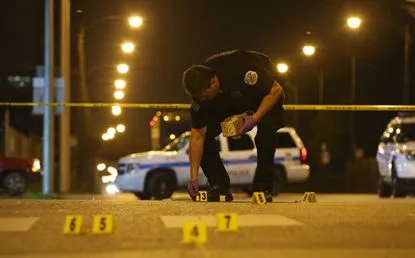
ShotSpotter® does more than detect gunfire—it initiates an informed response.
Because verified alerts are delivered within seconds, often before any 911 call, RTCCs gain early awareness, allowing them to shape the response rather than react to it. The alert’s precise location and shot data dramatically reduce search areas, enabling RTCC staff to immediately focus cameras, drones, and analysts where the risk actually exists.
For responding officers, this early intelligence:
- Reduces time spent canvassing unknown areas
- Limits exposure to secondary threats
- Supports safer staging and approach decisions
- Improves coordination between patrol, command, and the RTCC
In many agencies, ShotSpotter is the difference between officers walking into uncertainty and officers arriving informed.
Elevating Real‑Time Situational Awareness (Drone + Video + RTCC)
Real‑time situational awareness is where the RTCC delivers its greatest operational value.
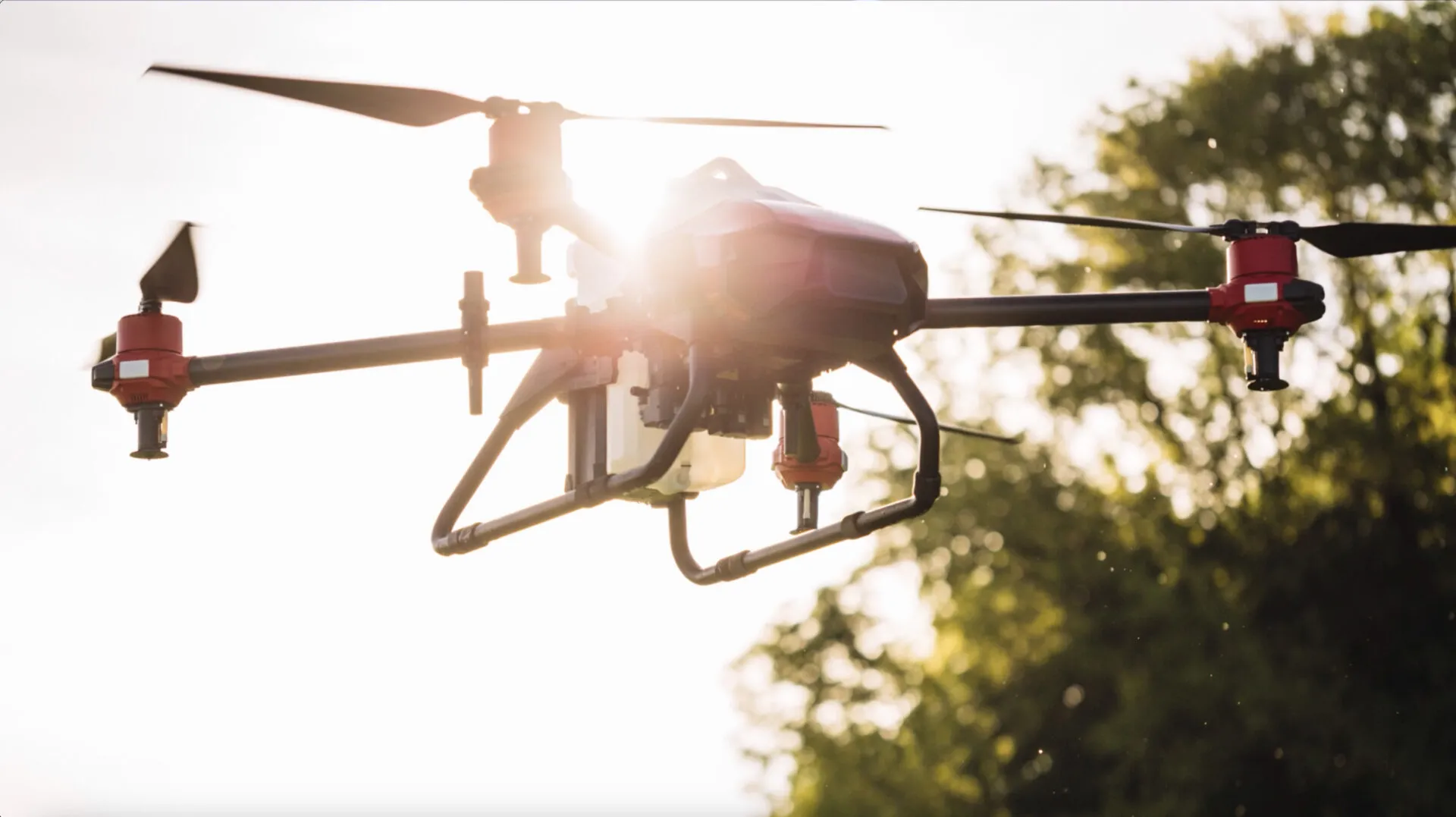
Once a ShotSpotter alert is received, RTCC personnel immediately transition from detection to continuous intelligence flow. Fixed cameras, mobile feeds, and drones as first responders provide live visuals while officers are still en route. These visuals are not passive; they inform decisions in real time.
RTCCs relay what officers cannot yet see:
-
- Suspects fleeing or discarding items
- Victims or bystanders in danger
- Crowds forming that could escalate the scene
- Vehicles leaving at speed or changing direction
This real‑time awareness allows officers to adjust tactics before arrival—reducing surprise, improving containment, and increasing safety during first contact.
PlateRanger as a Tactical Advantage, Not Just ALPR
PlateRanger™ adds a tactical layer to RTCC operations by turning vehicle movement into immediate, actionable intelligence.
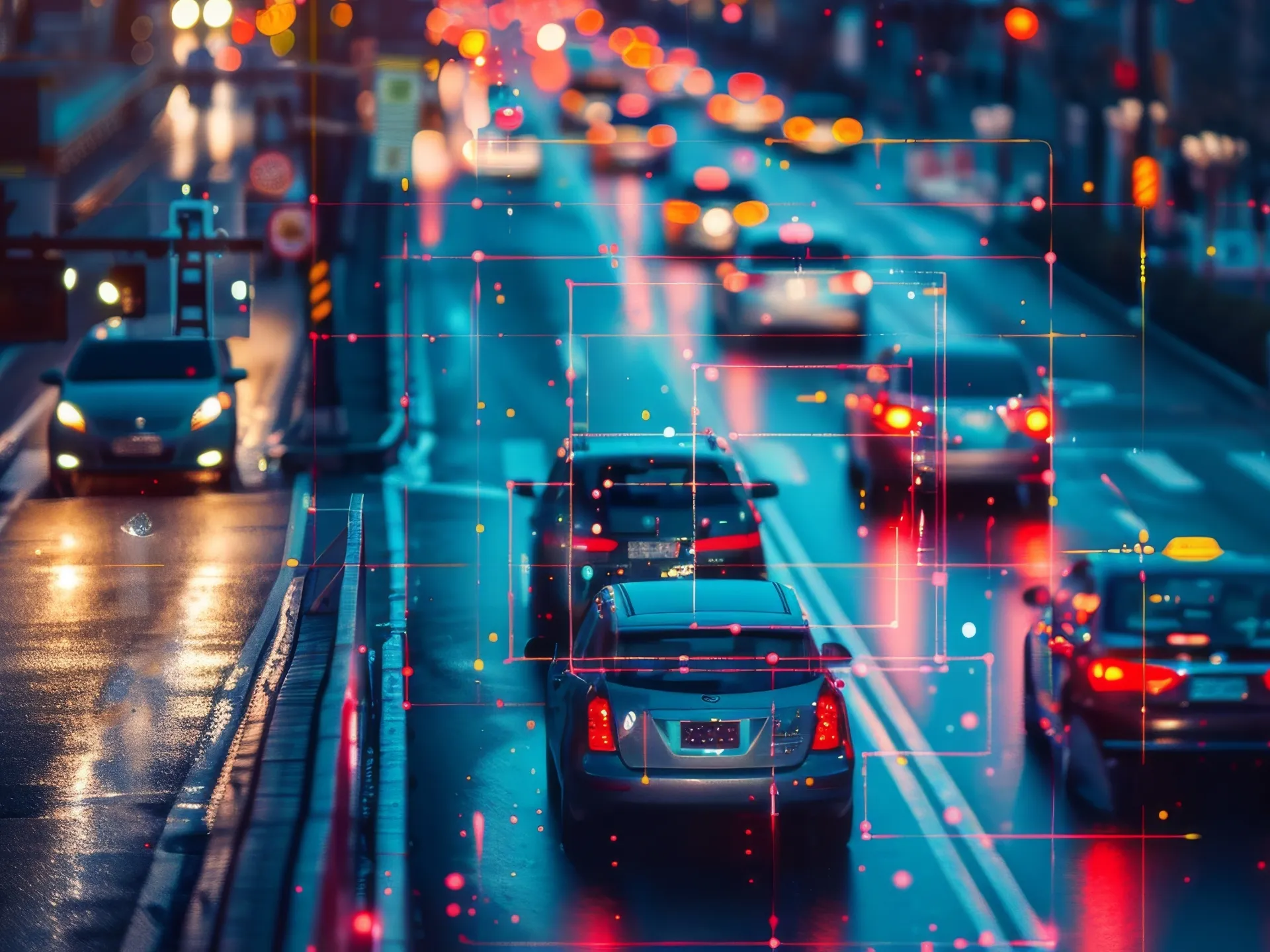
In a shots‑fired incident, suspect vehicles often represent the largest threat radius. PlateRanger enables RTCCs to quickly identify and track vehicles associated with the incident—supporting safer response strategies such as:
- Directional containment rather than broad patrol exposure
- Targeted BOLOs based on real data, not guesswork
- Early awareness of secondary crime scenes or escape routes
By combining PlateRanger data with drone and camera feeds, RTCC personnel can advise officers on where a suspect vehicle was last seen, where it is likely headed, and how it connects to the incident, before officers encounter it unexpectedly.
This intelligence gives officers time, distance, and options—three critical components of officer safety.
CrimeTracer Reduces Risk Beyond the Initial Response
Officer safety does not end when the scene is secured.
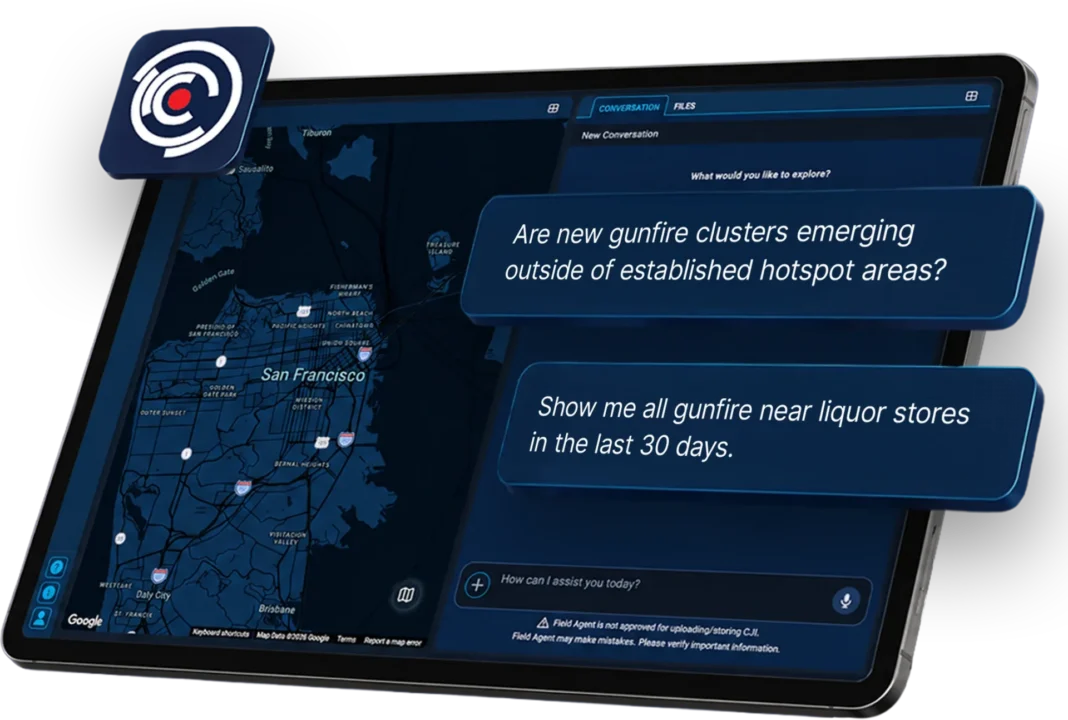
CrimeTracer™ extends RTCC intelligence into the investigative phase, helping identify repeat offenders, prior violence, and known risk factors tied to a person, vehicle, or location.
By surfacing this context early, CrimeTracer helps agencies:
- Avoid re‑contact with high‑risk individuals without preparation
- Identify retaliation patterns and prevent follow‑on incidents
- Support safer warrant service and follow‑up operations
When investigators and RTCC analysts can quickly understand who they are dealing with, and how that individual has behaved before, agencies reduce unnecessary exposure and improve long‑term safety outcomes.
Integration as a Safety Strategy
Integrated RTCC workflows are not just about efficiency—they are about protecting the people who protect the community.
ShotSpotter delivers early, verified awareness. PlateRanger provides immediate vehicle intelligence. CrimeTracer adds investigative depth and historical context. Together, they transform the RTCC into a platform for informed decision‑making, tactical advantage, and safer response at every stage of an incident.
When officers arrive better informed, uncertainty decreases, coordination improves, and risk is reduced. That is the true value of integration—and why RTCCs built around connected, purpose‑driven technologies are becoming essential to modern policing.
Real‑World Example: Turning Seconds Into Tactical Advantage
In cities across the U.S., agencies are already demonstrating how integrated RTCC workflows improve officer safety and operational outcomes.
In one Midwestern city, a ShotSpotter alert triggered just after midnight in a residential area with limited visibility and no active 911 calls. Because the alert was verified and precisely mapped, the RTCC was able to initiate a response immediately—before officers were dispatched into uncertainty.
From the ShotSpotter alert, RTCC personnel:
- Directed patrol using the verified ShotSpotter location rather than broad area canvassing
- Launched a drone within seconds to establish aerial visibility
- Focused nearby cameras and vehicle intelligence on likely exit routes
Live drone video revealed individuals fleeing the area and a vehicle attempting to leave at speed. RTCC staff relayed real‑time updates to responding officers, including vehicle movement and flight direction, allowing patrol units to adjust approach and containment strategies before making contact.
Within minutes, officers safely detained a suspect without a foot chase or blind encounter—reducing risk to officers, bystanders, and the suspect.
In the hours that followed, investigators leveraged CrimeTracer to rapidly assess whether the vehicle and individuals involved were connected to prior incidents, known associates, or recent gun violence in nearby jurisdictions. This allowed detectives to move directly into informed follow‑up rather than reconstructing events after the fact.
Why RTCC Integration Matters
This incident highlights the operational impact of an integrated RTCC strategy:
- Improved Response: Officers were dispatched with verified information, not assumptions
- Real‑Time Situational Awareness: Live aerial and camera feeds informed decisions before arrival
- Tactical Advantage: Vehicle intelligence supported targeted containment instead of broad exposure
- Enhanced Officer Safety: Officers approached the scene with context, distance, and time
Additionally, a 2024 Journal of Criminal Justice study found that RTCC implementation was associated with an 11% increase in case clearance rates, including a 5% increase in violent crime clearance rates and a 12% increase in property crime clearance rates.
None of this depended on a single technology. It depended on coordination—where ShotSpotter initiated awareness, RTCC staff synthesized intelligence, PlateRanger‑style vehicle data informed movement, and CrimeTracer supported rapid investigative context.
This is what modern RTCC integration looks like in practice. And it is why agencies increasingly view integrated workflows not as technology investments, but as officer safety and mission‑readiness strategies.