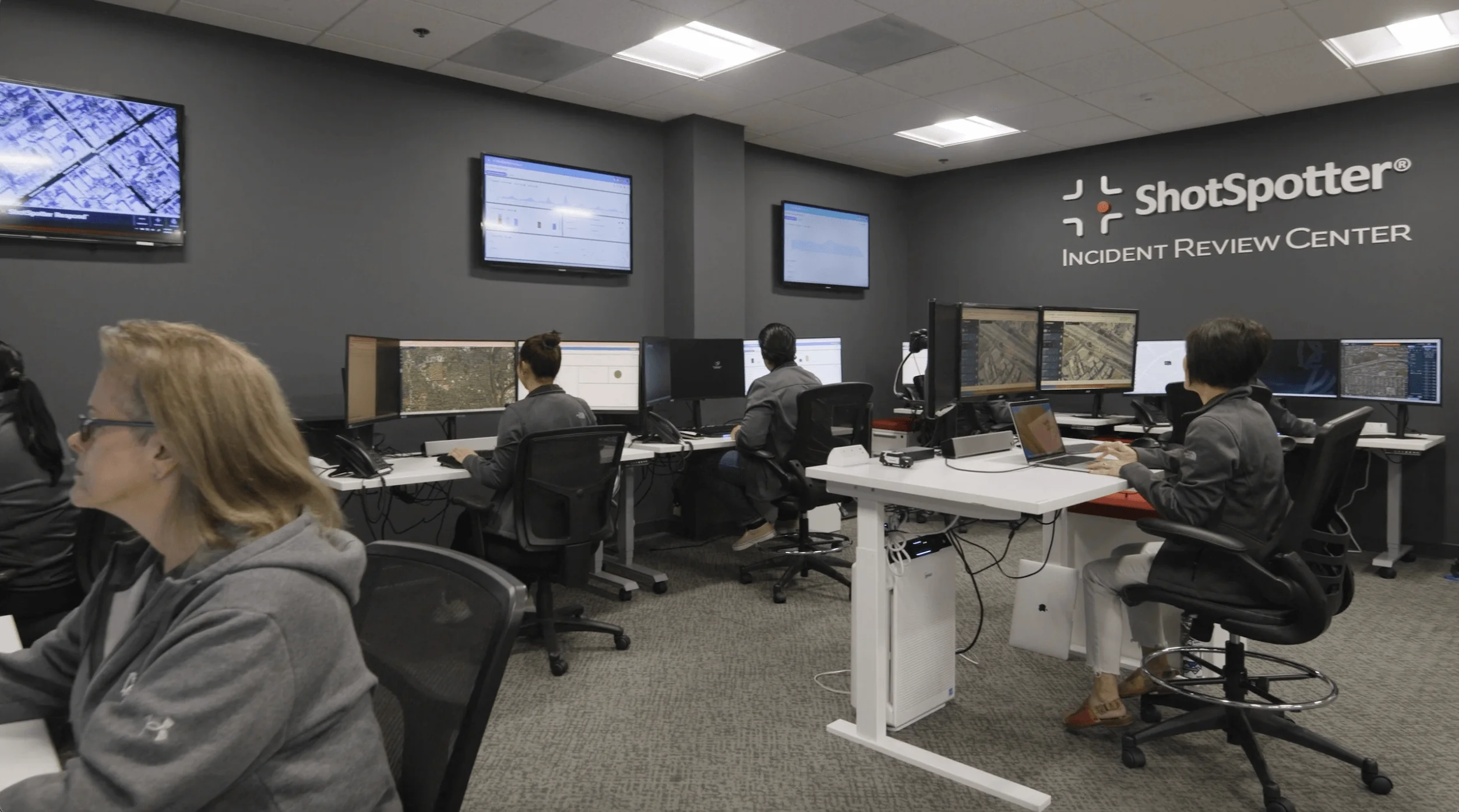












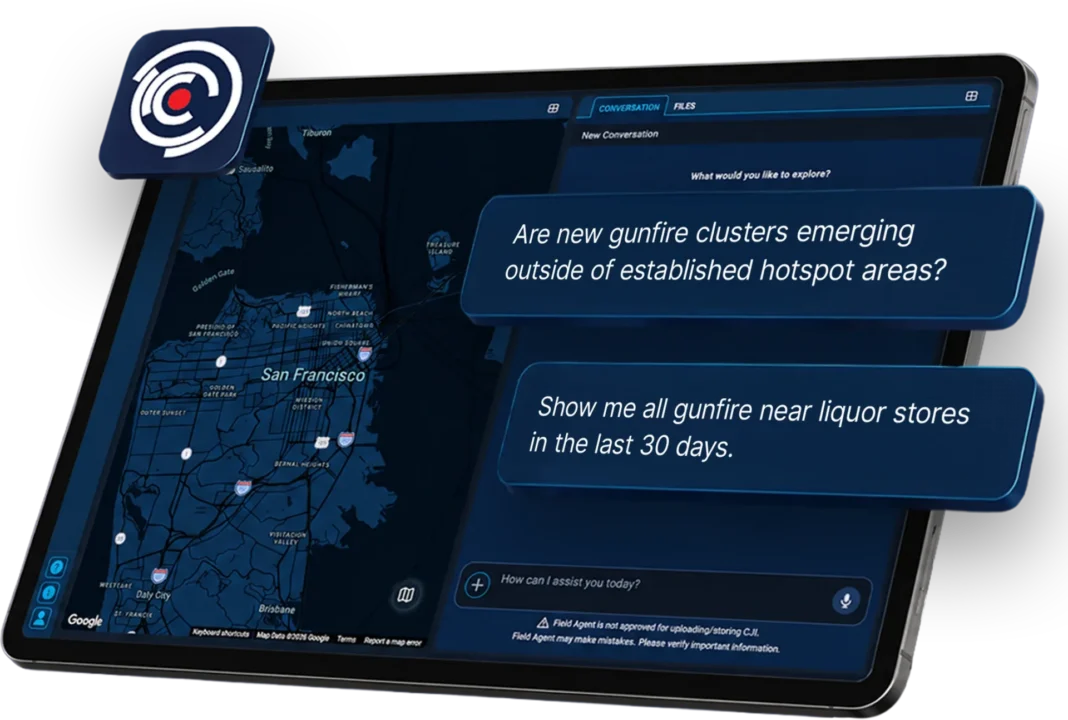
At the Chicago Public Safety Committee meeting on Tuesday, June 9th, Professor Robert Vargas falsely claimed that technology companies, like SoundThinking, lock away data generated with our tools to keep communities in the dark. In Chicago, the record says the opposite. ShotSpotter gunshot detection alert data has been published on the City’s open data portal for years, available to any resident, any reporter, and any researcher who wants to download it.
The concept of data ownership is a topic of great conversation, but it is also one that is often misconstrued and clouded as it relates to the debate on gunshot detection. I can speak clearly and directly about ShotSpotter data. When a city licenses our technology, we retain the intellectual property behind the detection system and, as a contractual matter, the underlying detection data. That is common for any software service that is used in governmental contracts. But owning the data is not the same as controlling how a public agency uses it. These are two different rights, and only one of them belongs to our company.
When a police department subscribes to ShotSpotter, it holds full latitude to use the resulting data for its public safety mission. It can dispatch officers, reach gunshot victims faster, inform investigations, brief the public, answer oversight bodies, and publish the data outright. Our mere ownership of the underlying record does not negate that. The agency decides, for its own public safety purposes, what to do with the information the system produces.
Chicago is the proof. Under the terms of the ShotSpotter agreement that the City of Chicago had in place until September of 2024, the City of Chicago had full access to the ShotSpotter gunfire data – granting to this day the “perpetual” right to store, download, make copies of, publish, display, and distribute the data to support the City’s law enforcement, crime prevention, investigation, and prosecutorial purposes. Without it, the overall mission of ShotSpotter technology cannot be fulfilled.
As a practice, we encourage all customers, including Chicago, to maximize transparency by sharing ShotSpotter-related data with the local communities that we collectively serve.
The “Violence Reduction – ShotSpotter Alerts” dataset has lived on the City of Chicago Data Portal since 2021, sourced from the Office of Emergency Management and Communications (OEMC), containing every alert going back to the technology’s 2017 deployment. Here is the type of analysis that CPD was empowered to create with ShotSpotter and related OEMC data.
The City’s Inspector General used that data to audit police response. The MacArthur Justice Center used it to argue against the technology. The University of Chicago Crime Lab also used it in their analysis that estimated roughly 85 lives could be saved each year, as did Eric Piza, Professor of Criminology at Northeastern University. Both critics and advocates have built their cases on our data, in public, and we did not stand in the way. That is what transparency looks like in practice.
The communities carrying the heaviest burden of gun violence in this city are the same communities with the most at stake in how their data are used. They are owed both things at once: (1) a public safety system that actually responds; and (2) honest, verifiable information about how that system performs. Those two demands are not in tension. The idea that you must choose between transparency and effective public safety is a false one, and it has never served the city’s South and West Sides well.
We believe the public is best served when the data that law enforcement agencies generate is open for examination. We welcome rigorous, independent scrutiny of ShotSpotter data, including analyses and honest public debate.
In Chicago, ShotSpotter data has been open the whole time. The keys to that data have always been held by the city and its residents.