Why Technology Matters for CVI: An Interview with AT Mitchell-Mann

In this interview, A.T. Mitchell shares how technology can support community violence intervention without undermining the people-centered foundation of the work. Drawing on his experience working closely with communities, hospitals, and law enforcement, Mitchell explains why human relationships remain essential, how timely data improves intervention efforts, and how Community Violence Intervention (CVI) organizations can collaborate with city agencies while maintaining community trust.
CVI Work Through Human Connection
A.T. Mitchell emphasizes that community violence intervention will always be rooted in human connection. While technology can support CVI work, it cannot replace the trust built through lived experience and personal relationships. As Mitchell explains, “the human exchange is always going to be champion, because of the nature of the work. This is all about people to people.”
CVI relies on counseling, mentoring, and de-escalation, where credible messengers can relate to individuals and communities shaped by trauma. That trust, Mitchell notes, is essential to addressing the underlying factors that lead people to resort to violence.
How Technology and Data Help CVI Groups
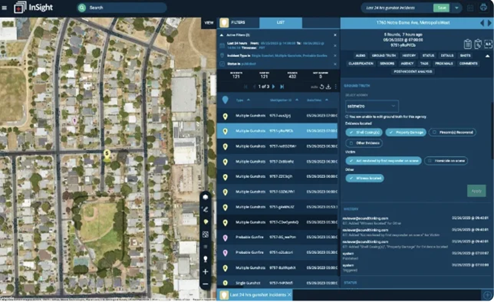
Technology and data, however, play a critical role in strengthening those human-led efforts. Mitchell describes how access to CompStat reports and timely NYPD information enables teams to map the locations of violence and deploy resources more effectively.
Near-real-time awareness of shootings and hospital notifications for incoming gunshot wound patients enables CVI teams to activate hospital responders and violence interrupters simultaneously. This early information supports both victim care and retaliation prevention, helping teams intervene as close to the incident as possible, when the risk of escalation is highest.
Collaborating with Law Enforcement
Mitchell also outlines how CVI organizations balance collaboration with law enforcement while maintaining independence and community trust. He notes that designated, trusted community leaders serve as limited points of contact, with clear boundaries around what information can be shared.
This approach preserves credibility while allowing CVI groups and police to operate as parallel forces focused on reducing harm. Success, Mitchell explains, is measured not only by fewer shootings but by reduced trauma and improved community well-being. Initiatives such as “days of peace” and a “safety forecast” help residents feel safer in their daily routines, reinforcing that fewer shots fired matters deeply for mental health and quality of life.
Technology Amplifies CVI Work
Together, Mitchell’s insights highlight that technology is most effective in CVI when it amplifies human judgment rather than replacing it. When trusted relationships, timely data, and clear collaboration models work together, communities benefit from faster interventions, fewer retaliatory incidents, and a greater sense of safety and stability.
Was this article helpful?


Search for More Insights
Here are some other topics you might be interested in: