











Sustainable, equitable community safety requires healing people, strengthening neighborhoods, and transforming the systems that shape both. Attending the African American Mayors Association (AAMA) Conference in April 2026 as the Director of Community Engagement at SoundThinking reaffirmed a critical truth: in public safety, community well-being, and equity are intersectional and must be addressed through collective, multilevel action.
From a social work lens, convenings like AAMA are more than conferences; they are spaces of shared governance, collective problem-solving, and systems transformation. The conversations at this year’s AAMA, entitled “The Voices of a Movement: Building Relationships, Capacity & Legacy,” centered on how leaders can move beyond reactive approaches toward data-informed, trauma-responsive, and community-centered safety strategies that produce sustainable outcomes.
Why Public Safety Requires Action at Every Level
Reimagining communities requires alignment across micro, mezzo, and macro systems, a framework deeply rooted in social work practice and supported by public health research. Consider the following:
- Micro (Individual): Healing and Stabilization
Trauma-informed engagement with individuals and families impacted by violence is foundational. Early interventions, such as psychological safety and connection to care, are shown to reduce long-term trauma-related outcomes. Safety begins with restoring dignity at the individual level. - Mezzo (Community): Capacity and Collective Efficacy
Community-based, place-focused strategies supported by cross-sector partnerships have been shown to reduce violence and improve neighborhood conditions. In fact, safety is strengthened when communities are co-creators, not recipients, of solutions. - Macro (Systems): Policy, Trust, and Accountability
A public health approach to violence prevention emphasizes upstream investment, equity, and coordination across systems. At the same time, procedural justice fairness, transparency, and voice work to build the trust necessary for long-term impact. As such, safety is sustained through systems that are trusted, transparent, and accountable.
From Data to Dignity: The Role of Trauma-Informed Engagement
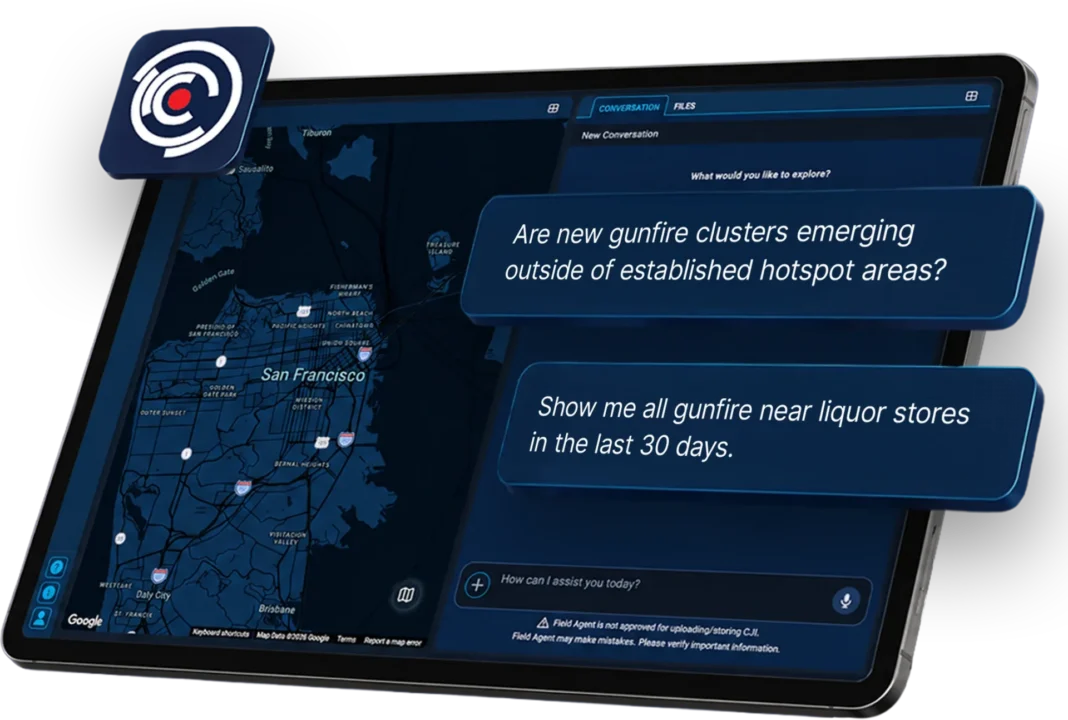
A key takeaway from AAMA is that data alone does not create safer communities; relationships do! When data is paired with trauma-informed, community-centered engagement, it becomes a tool for identifying patterns of harm, guiding place-based interventions, coordinating wraparound services, and informing equitable policy decisions. This approach reflects a broader shift toward SoundThinking’s “Data for Good Initiative,” where technology supports prevention, healing, and long-term community stability rather than solely enforcement.
Reinvestment and Relationship Building as Public Safety Strategy
Reimagining communities requires intentional reinvestment not only in resources but also in people, partnerships, and presence. Research on collective efficacy and community trust highlights that sustainable safety outcomes are driven by strong relationships, shared responsibility, and consistent engagement. For the helping profession, this has meant showing up beyond moments of crisis, centering lived experience in decision-making, building authentic, long-term partnerships, and aligning systems around community-defined needs.
What Reimagining Safety Actually Looks Like: A Call to Action
The African American Mayors Association Conference challenged leaders to move from conversation to coordinated, multilevel action. Reimagining public safety is not a singular initiative; rather, it is a sustained commitment to:
- Healing individuals (micro)
- Strengthening communities (mezzo)
- Transforming systems (macro)
Ultimately, safer communities are built when we center human dignity, invest across systems, and cultivate sustainable, authentic relationships. SoundThinking works alongside city leaders, law enforcement agencies, and community organizations to operationalize data in service of equity, prevention, and trust. If you’re exploring how technology can support — not replace — the relationships that make communities safer, we’d like to be part of that conversation.