Launch within seconds
Drone as First Responder for Campus
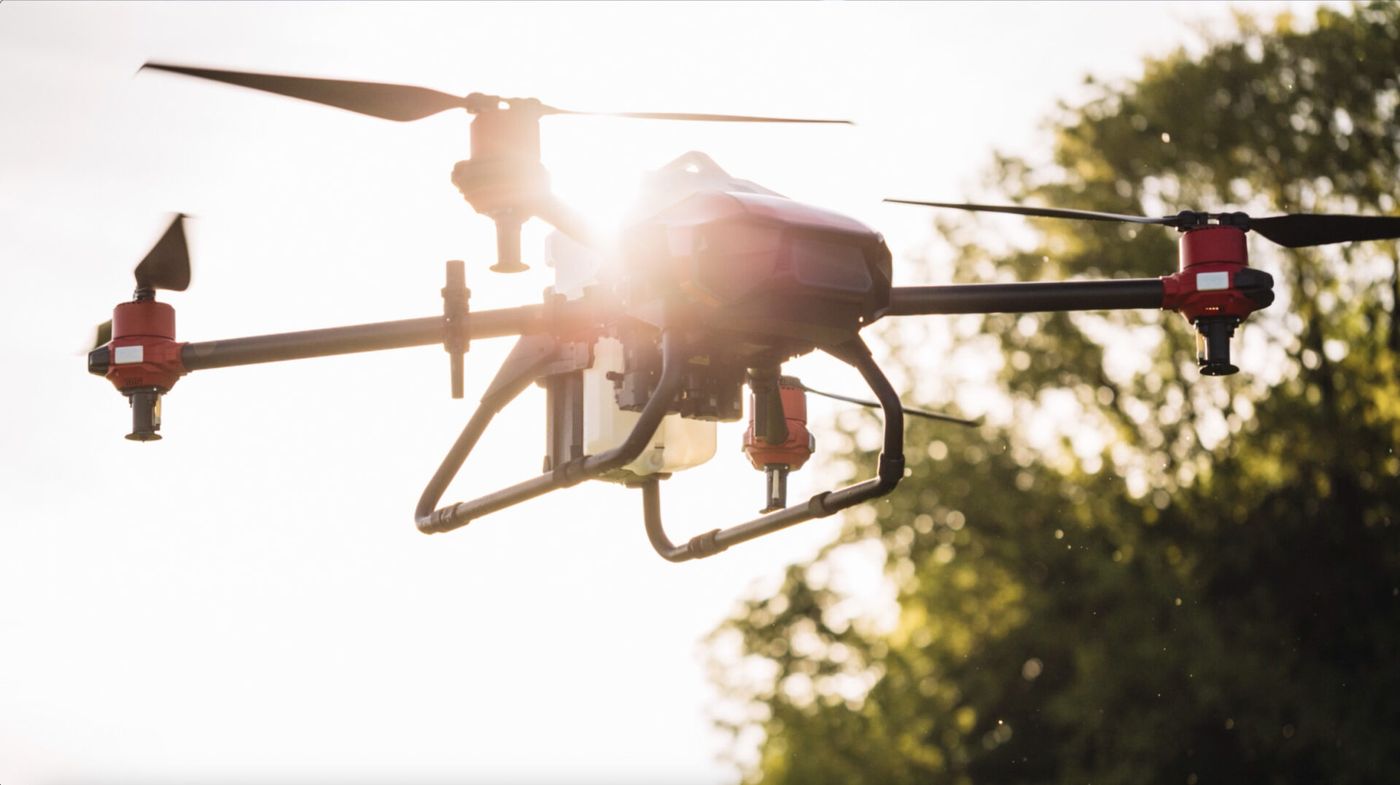

University campuses are uniquely complex—dense, fast-moving, and constantly shifting, making real-time insight essential to protecting the campus community and first responders. ShotSpotter and a Drone as First Responder (DFR) program deliver early, actionable intelligence that accelerates a coordinated response, enhances officer safety, and gives agencies clear situational awareness before units arrive.
By detecting and verifying gunfire within seconds, ShotSpotter pinpoints the exact location, round count, and movement patterns that matter most in the first moments of an incident. The instant a ShotSpotter alert is received, a DFR can launch automatically and arrive on scene in one to three minutes, often well before ground units. This rapid aerial perspective delivers real-time visual intelligence that helps officers assess threats, identify victims, track suspect movement, and coordinate a safer, more effective response across campus.
With every campus operating differently, agencies can choose the drone platform and deployment model that best fits their mission and environment. SoundThinking’s open integration framework ensures these systems work seamlessly together, linking ShotSpotter alerts, automated drone launch, live video, and real-time intelligence into one unified response workflow. The result is a connected safety ecosystem that strengthens preparedness, improves coordination, and gives campus leaders the confidence that their teams can act quickly and decisively when it matters most.
When every second matters, the combination of ShotSpotter and DFR gives campus safety teams the clarity, speed, and tactical advantage campuses need to safeguard their communities. By uniting verified acoustic intelligence with rapid aerial awareness, responders can make faster, safer, and more informed decisions—reducing uncertainty, improving officer safety, and strengthening the campus’s overall security posture. It’s a more innovative, connected approach to campus safety, built for the realities of today’s threats.
How a DFR Works with ShotSpotter
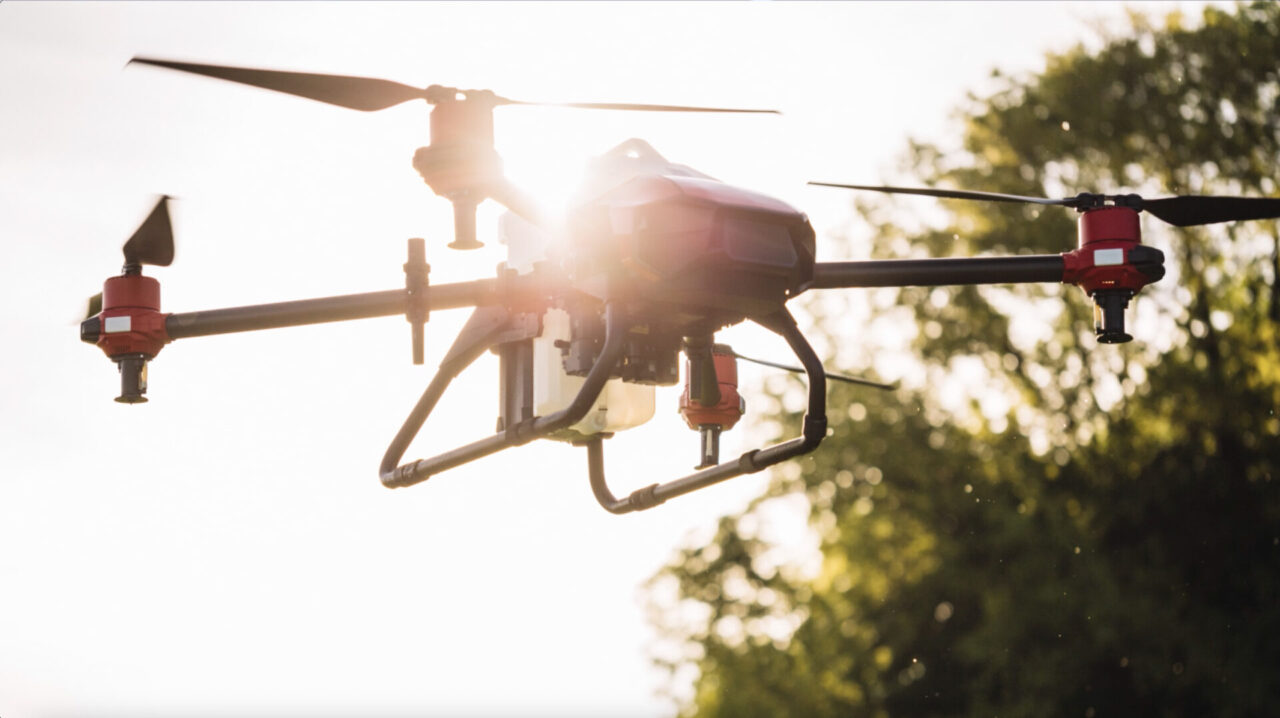
The integration of ShotSpotter and DFR programs represents one of the most significant advancements in modern public safety. When a verified ShotSpotter alert is received, the campus drone system can automatically:
Navigate along a pre-approved autonomous flight path
Arrive at the incident location in 1–3 minutes
Stream high-resolution, 360° video directly to dispatch and responding officers
Additionally, drones provide:
24/7 automated response, unaffected by traffic or campus events
Thermal imaging capabilities, making it easier to quickly locate victims or suspects who may have fled in low-visibility areas
Overwatch capabilities, including identifying armed suspects or suspicious vehicles, giving command staff live footage for safer coordinated tactical approach
The ShotSpotter → Drone → Officer Response Workflow
1. Gunfire Occurs
A muzzle blast radiates outward instantly and is detected by ShotSpotter’s acoustic sensors.
2. ShotSpotter Detects, Locates, and Verifies the Event
AI classification + triangulation determines precise location and round count.
The Incident Review Center confirms gunfire in real time.
3. Drone Launches Automatically
Upon verification, the DFR system launches without manual intervention, flying directly to the incident location.
4. Live Overwatch Begins
Drone video streams immediately to dispatch, campus police, command staff, and emergency response teams.
Officers receive:
Visuals of armed suspect(s)
Victim locations
Movement patterns
Suspicious or fleeing vehicles
Potential ambush or crossfire risk
5. Ground Officers Arrive Informed and Prepared
Responders no longer approach scenes “blind.” They enter with actionable intelligence—reducing risk for themselves and the campus community.
6. Integrated Investigation Follows
Drone footage, ShotSpotter data, and ALPR hits (via PlateRanger™,) flow directly into systems like CAD, RMS, CrimeTracer™, and case management tools for rapid investigative follow-through.
Why Drones Matter: Key Operational Advantages
DFR programs consistently act as powerful force multipliers, offering faster response and rapid deployment by reaching scenes in 1–3 minutes — often well before officers arrive. Early aerial visibility improves officer safety and tactical decision-making by identifying suspects, weapons, and hazards in advance, while thermal imaging helps locate victims behind buildings, in courtyards, or in low-light conditions.
Advanced Gunshot Detection Meets Rapid Drone Response
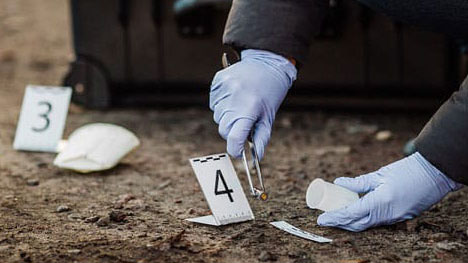
High-resolution footage also preserves critical evidence by capturing shell casings, suspect movement, fleeing vehicles, and witness locations before the scene is disturbed. For resource-constrained campuses, drone hubs expand coverage without requiring additional patrol staffing, improving efficiency across the department. And because drones provide clear, unbiased documentation of incidents, they reinforce transparency and community trust, offering visual clarity during some of the most high-stakes moments a campus may face
Integrating Drones with ShotSpotter and Campus Systems
SoundThinking’s campus safety ecosystem operates as a unified intelligence platform. By working closely with customers to integrate their technology solutions and optimize operations, SoundThinking has achieved more than 200 integrations.
Through open APIs, ShotSpotter can integrate with:
CAD/RMS
ALPR systems such as PlateRanger
Real-time crime centers
Access control systems
Camera networks
Mass notification tools
Investigative platforms like CrimeTracer™ and CaseBuilder®
Strengthening Campus Investigations and Forensic Reconstruction
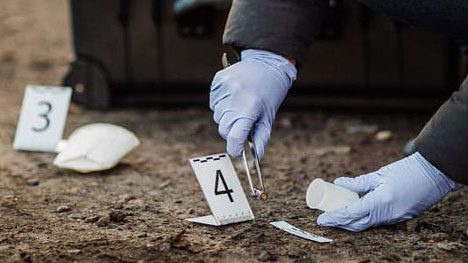
Beyond immediate response, drones also strengthen investigative workflows by capturing time-stamped video for court, preserving evidence before it is disturbed, and documenting the movement of suspects and witnesses.
They further support ShotSpotter Forensic Services by providing visual context that complements acoustic analyses. When paired with ShotSpotter’s Detailed Forensic Reports and Investigative Lead Summaries, drone footage adds a critical layer of verification and spatial understanding—capabilities that are especially valuable for Clery Act compliance and maintaining investigative transparency.
A Holistic Campus Safety Strategy
A DFR program is not a replacement for officers—it is a safety catalyst that accelerates decision-making, improves outcomes, and gives officers a safer, more informed approach to every incident.
When campuses integrate ShotSpotter gunshot detection with rapid drone response, they create a safety network designed for the complexity of modern campus environments. This connected ecosystem enables campuses to respond faster, coordinate smarter, investigate more effectively, and ultimately keep a campus community safe.
What once seemed futuristic—a drone launching automatically the moment gunfire is detected—has now become the emerging standard for institutions committed to reducing response times, strengthening evidence collection, and building trust through transparency. For campuses, where lives, learning, and community confidence are on the line, ShotSpotter and a DFR program deliver something invaluable: time, vision, and the ability to act with clarity when every second matters.
Learn More About How ShotSpotter and a DFR Program Can Protect Your Campus
Was this article helpful?


Search for More Insights
Here are some other topics you might be interested in: