











Specialized police units are at the forefront of disrupting violent crime. Whether it’s a Gang Unit monitoring feuds, a Narcotics Unit tracking retaliatory drug-related shootings, or a tactical team executing high-risk warrants, these teams are uniquely positioned to extract operational intelligence from ShotSpotter alerts. This primer provides a field-level guide for using ShotSpotter and the ShotSpotter Insight app to disrupt the shooting cycle—quickly, intelligently, and effectively.
1. Strategic Context
The shooting cycle refers to the pattern of recurring gun violence often triggered by retaliation, gang rivalries, drug disputes, or unresolved conflicts. Specialized units have the mobility, investigative reach, and mission scope to intervene in that cycle—but only if they are armed with timely intelligence. ShotSpotter delivers that intelligence in real-time and over time, allowing units to detect, respond to, and prevent future violence with precision.
2. Understanding ShotSpotter Capabilities
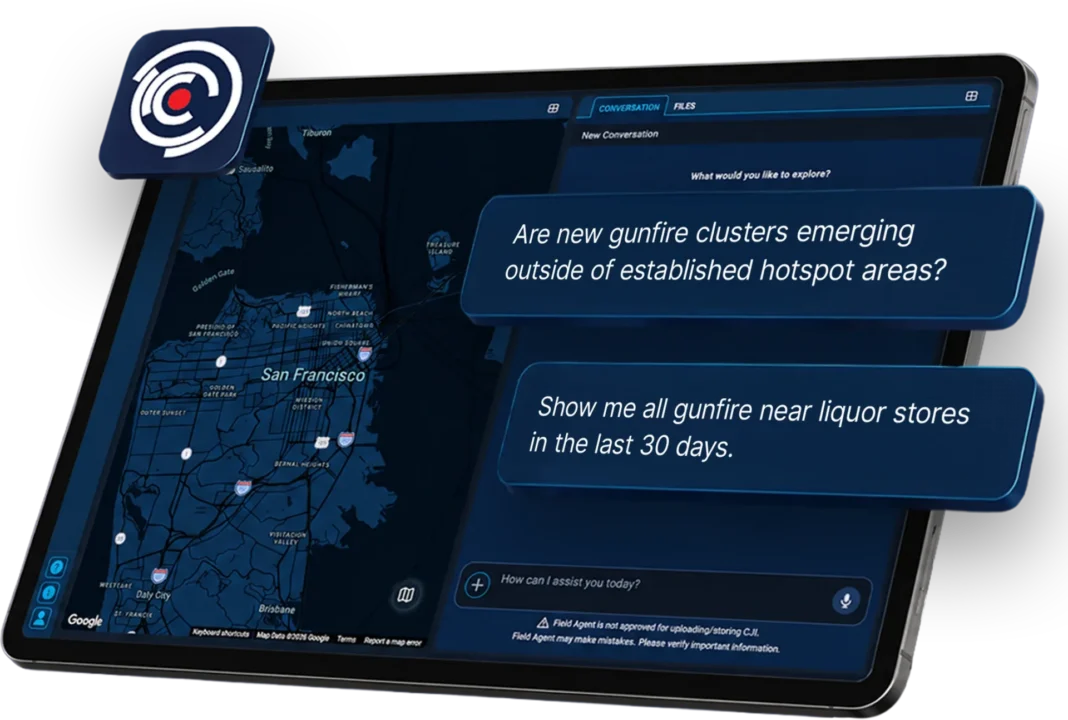
ShotSpotter detects and locates gunfire within seconds of its occurrence, providing triangulated GPS data along with audio evidence. For patrol, it’s a call to respond. For specialized units, it’s a clue to investigate, a lead to pursue, and a threat to mitigate. Historical alert data helps identify hot zones, emerging patterns, and areas of sustained criminal activity. The real-time alerts help focus deployments and surveillance before the next shooting occurs.
3. Tactical Use of the ShotSpotter Insight App
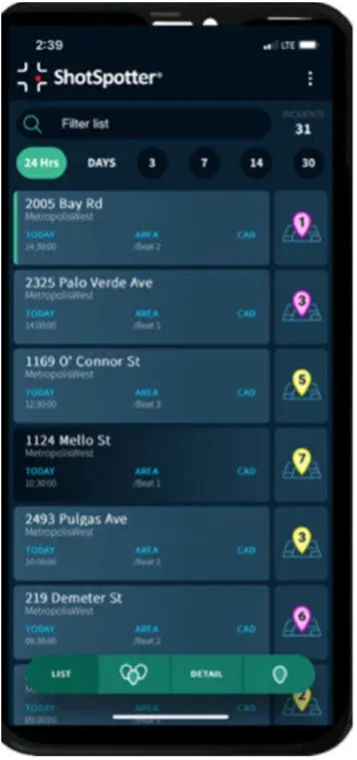
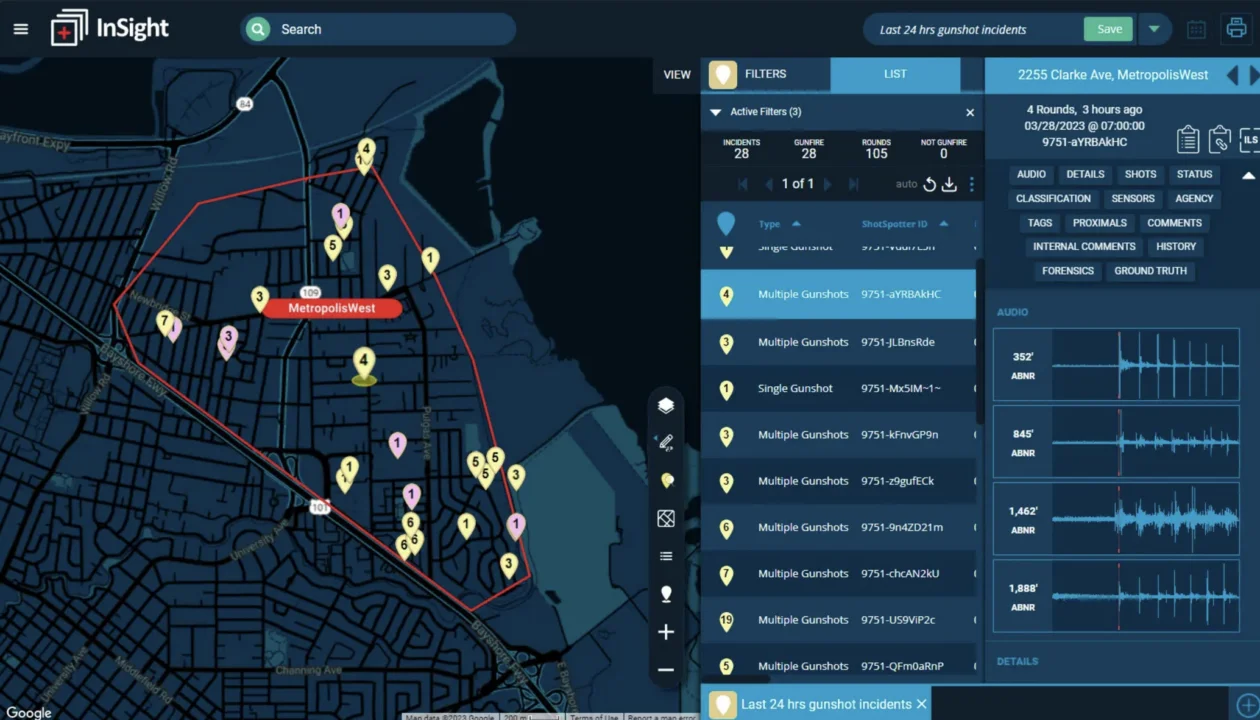
The ShotSpotter Insight app brings alerts directly to the officer’s phone or tablet, empowering field personnel with:
- Live gunfire alerts with precise location data
- Historical alerts in the mapped or list view
- Annotation capabilities to document investigative notes
- Audio playback to assess shooter behavior (single shot vs. burst fire)
- Specialized units can use Insight to prepare for operations in recent alert zones, verify activity before executing warrants, and document findings immediately after canvassing a scene.
4. Intelligence Integration
Gunfire data must be cross-referenced with other intel streams: NIBIN leads, eTrace results, street interviews, known gang locations, and surveillance footage. Units should maintain digital or physical maps connecting ShotSpotter alerts to case files. This fosters continuity and supports long-term investigations that aim to dismantle networks, rather than just arresting individuals.
5. Investigative and Operational Deployment
Units should:
- Use alert history to justify warrants or prioritize targets
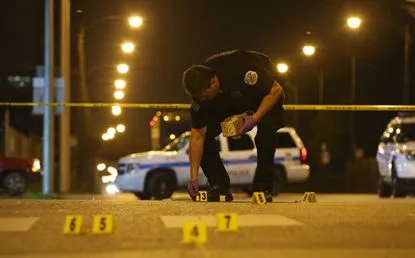
- Canvass and document each alert location, regardless of victim presence
- Treat repeat alert areas as high-threat zones for surveillance or tactical response
- Coordinate with SWAT based on recent alert volume, time-of-day patterns, and proximity to known suspects
6. Collaboration and Case Building
ShotSpotter alerts can form the beginning of a prosecutable case when followed with strong investigative work. Units should:
- Share alerts with local and federal prosecutors from the beginning
- Document case timelines using Insight’s annotation tools
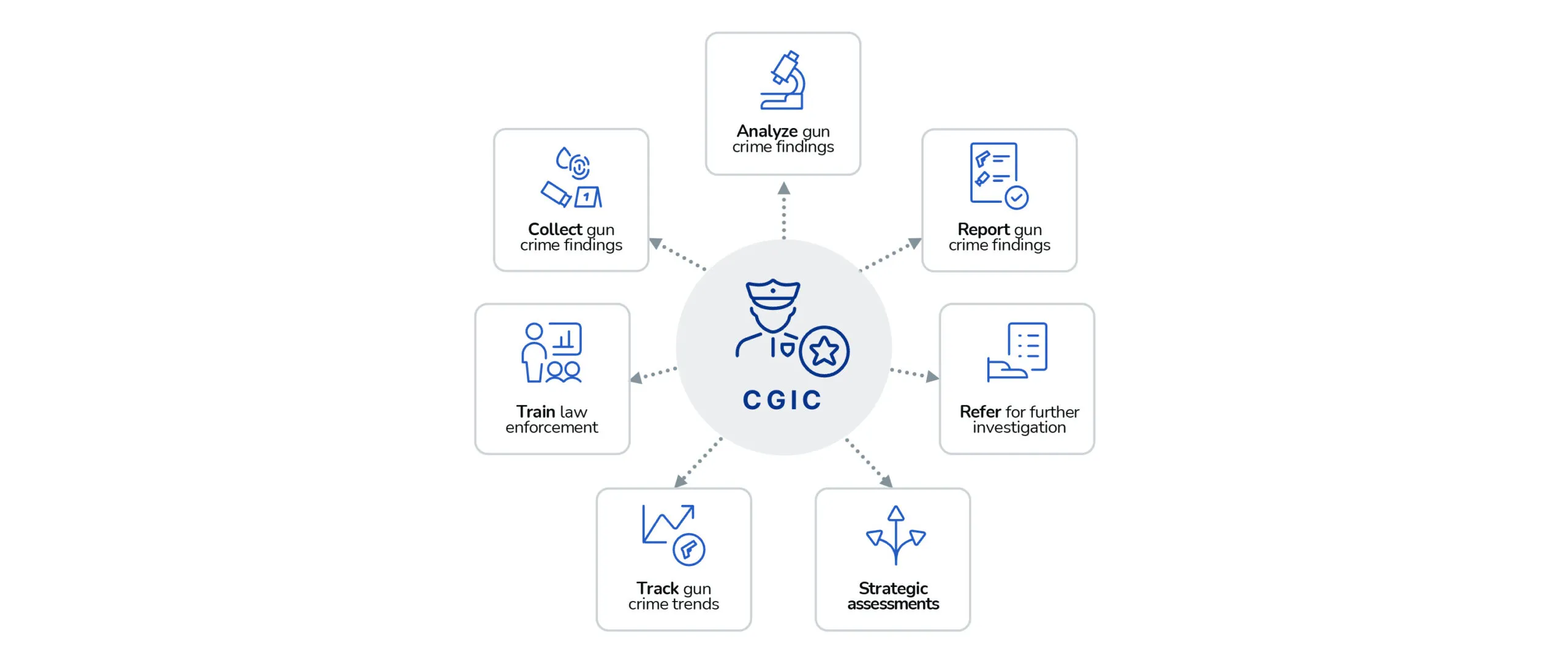
- Partner with ATF CGICs for firearm tracing and potential federal enhancements
7. Performance Metrics
Measure success not just by response, but by outcomes. This includes:
- Number of alerts reviewed and followed up
- Arrests or cases initiated based on alert intelligence
- Firearms recovered
- Reduction of repeat alerts in particular areas
These metrics help justify continued resource allocation and validate the tactical value of ShotSpotter.
8. Leadership and Culture
Supervisors should drive a cultural shift: ShotSpotter isn’t just a patrol tool—it’s a force multiplier for specialized units. Incorporate alert maps into briefings, focus operations on identified hot zones, and use training to reinforce how alerts lead to outcomes. The goal is to build a culture of follow-through—where the first shot fired marks the start of your case, not just another report.
9. Real-Time Crime Center (RTCC) Coordination
Prosecutors are key partners in turning ShotSpotter intelligence into court-admissible, impactful cases. Early engagement leads to better warrant language, charging decisions, and case support. Specialized units should:
- Share alerts with prosecutors tied to active or emerging cases
- Use Insight annotations to build timelines of response and investigation
- Loop in ATF or federal prosecutors where firearm enhancements or serial offender status may apply
This ensures ShotSpotter doesn’t just lead to arrests—but to strong prosecutions and meaningful sentences.
10. Prosecutorial Engagement
Prosecutors should not be treated as the final stop in the process; they should be strategic partners from the first alert. When included early, prosecutors can guide investigative steps, recommend supplemental evidence collection, and prepare for potential courtroom challenges to ShotSpotter-derived intelligence. Building this relationship creates a two-way street: it strengthens cases and empowers prosecutors to pursue more serious charges with greater confidence in the evidence chain.
Conclusion
Technology provides the signal, but specialized units drive the action. ShotSpotter and the Insight app aren’t just tools for detection; they’re catalysts for disruption. When specialized teams make this technology part of their daily mission, they turn data into deterrence and response into prevention.
Close coordination with Real-Time Crime Centers is essential, as RTCCs can monitor alerts in real-time, pair them with LPR hits and video feeds, and push actionable intelligence directly to the field. Joint analysis between units and analysts strengthens agency-wide collaboration and accelerates outcomes. The mission is clear—use the data, own the follow-up, and disrupt the next shot before it’s fired.