











I am a sworn investigator assigned to organized retail crime (ORC) in the San Francisco Bay Area. When people hear that phrase, they often picture one viral video, one grab-and-run, one smashed storefront, one crew sprinting out the door with armfuls of merchandise.
That is part of it. But it’s definitely not the whole of it.
Retail Theft Is Not One Problem. It Is Two.
What emerges is a broader ecosystem. There are individuals committing theft to support substance use. There are intermediaries who resell stolen goods through informal networks. There are coordinated groups targeting high-value retail locations. And there are repeat offenders who move across jurisdictions, taking advantage of gaps in coordination and the speed at which stolen goods can be moved and monetized. In some cases, what begins as a retail theft investigation quickly expands into a more serious and complex criminal matter.
That is why these cases often need to be approached as part of organized criminal activity, rather than isolated shoplifting incidents.
In my investigations, I break retail theft into two broad lanes.
The first is the everyday theft hitting drugstores, grocery stores, and big-box retailers. These are the cases where people steal over-the-counter medication, personal care items, cosmetics, liquor, and household goods. Many of those stolen goods do not just disappear. They move quickly to fences, then into street sales and flea market resale.
The second lane is higher-end organized theft. That is where you see luxury handbags, apparel, and other high-value goods taken from higher-end stores. Those cases often involve multiple suspects, stolen cars, coordinated entry, and fast exits.
The distinction matters. If you treat every case as a one-off theft, you miss the resale network, the repeat players, and the regional dynamics that make organized retail crime profitable in the first place.
The Storefront Is Only the Beginning
A lot of people still think the crime ends when the suspect clears the door. It does not. The theft is the visible part. The real case often starts after that.
A booster steals medicine, detergent, makeup, or liquor. Then comes the hand-to-hand sale. Then the storage. Then the weekend resale. The stolen sundries and personal care products move quickly from stores to street fences and then to Bay Area flea markets, where they are resold at steep discounts.
That is why thorough investigations are so important. If you only write the initial report, you may clear a call. You are not gathering intelligence and information to help dismantle the pipeline.
Success With The Right Strategies
Luxury retail corridors in major urban centers have, at times, highlighted the broader challenges of organized retail crime. One widely reported incident involved a coordinated smash-and-grab in which multiple vehicles were used to breach a store’s security gate, resulting in the theft of a large volume of merchandise. As suspects fled the scene, law enforcement pursued one of the vehicles, which later crashed. Officers were able to locate individuals connected to that vehicle and recover a significant amount of stolen goods.
While incidents like this are highly visible, they represent only part of a much larger operational picture. In response to evolving patterns of retail crime, many retail districts and public safety partners have expanded coordinated strategies that include sustained field presence, dedicated command operations, closer collaboration with loss-prevention teams, and physical security improvements such as reinforced barriers and vehicle deterrents.
In several areas, these efforts have also aligned with broader initiatives aimed at improving information sharing and strengthening investigative capacity across jurisdictions. Over time, targeted enforcement operations in commercial corridors have resulted in a significant number of arrests and case resolutions within relatively short periods, reflecting a more structured and data-driven approach to addressing retail-related crime.
Technology Has Changed the Odds
Not long ago, I would not have believed that drones could significantly change this fight. My view has changed after seeing what aerial technology and real-time investigative coordination centers can actually do in the field.
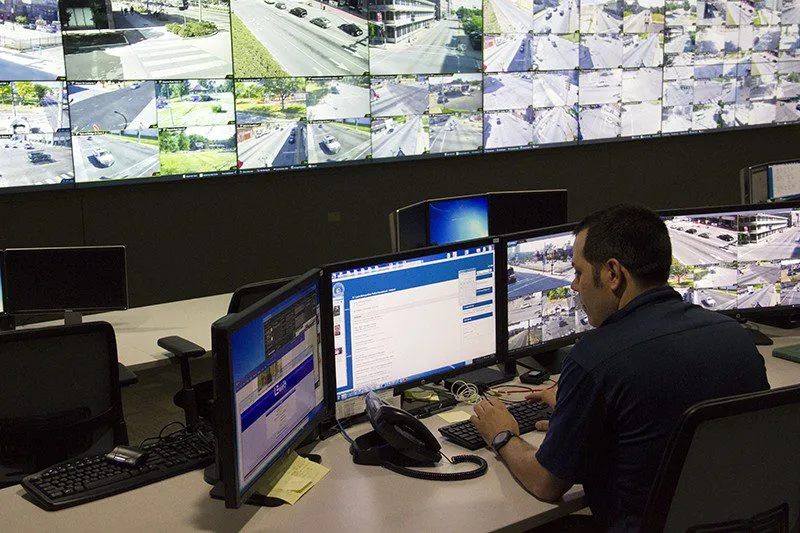
In our city, a centralized real-time operations hub has expanded its capabilities with access to hundreds of automated license plate reader cameras and a growing fleet of drones, while supporting a large number of arrests. This type of technology is particularly relevant in retail crime because so many cases depend on speed and mobility. Crews strike quickly and attempt to disappear just as fast. Real-time coordination centers are designed to close that gap by tracking movement, sharing intelligence instantly, and directing resources more effectively.
Retail Theft Crews Are Often Involved in More Than Retail Theft
One of the biggest mistakes is assuming these are low-level offenders committing low-level crimes. Sometimes that is true. Often, it is not.
In one case, suspects involved in a high-end retail theft were later located with the help of tracking technology and aerial support, and a firearm was recovered from their vehicle. In another incident, a retail employee was forcibly moved within a store while merchandise was taken, elevating the situation well beyond simple theft. Investigators were able to build the case using a combination of video evidence, vehicle data, and coordinated surveillance.
That pattern matters. Individuals involved in organized retail crime are often connected to a broader range of offenses, including robbery, weapons violations, and other forms of violence. The retail incident may simply be the most visible—or most easily provable—entry point into a much larger case.
This is an important reminder not to treat these incidents as minor or nuisance crimes. In some cases, the retail theft may be the least serious offense tied to the individuals involved.
Crime Data Shows Improvements
Organized retail crime is not something that disappears overnight. Even with targeted enforcement efforts and the disruption of criminal networks, there is still significant work to be done.
That said, recent citywide data from a major urban area does show measurable progress. Law enforcement reported notable declines in both burglaries and theft-related offenses, including retail theft, compared with the prior year.
It is important to be clear about what those numbers do—and do not—mean. They do not signal that the problem has been solved. They do show that focused enforcement, stronger coordination, and more effective use of technology can make a meaningful difference.
Where CrimeTracer Helps an ORC Case
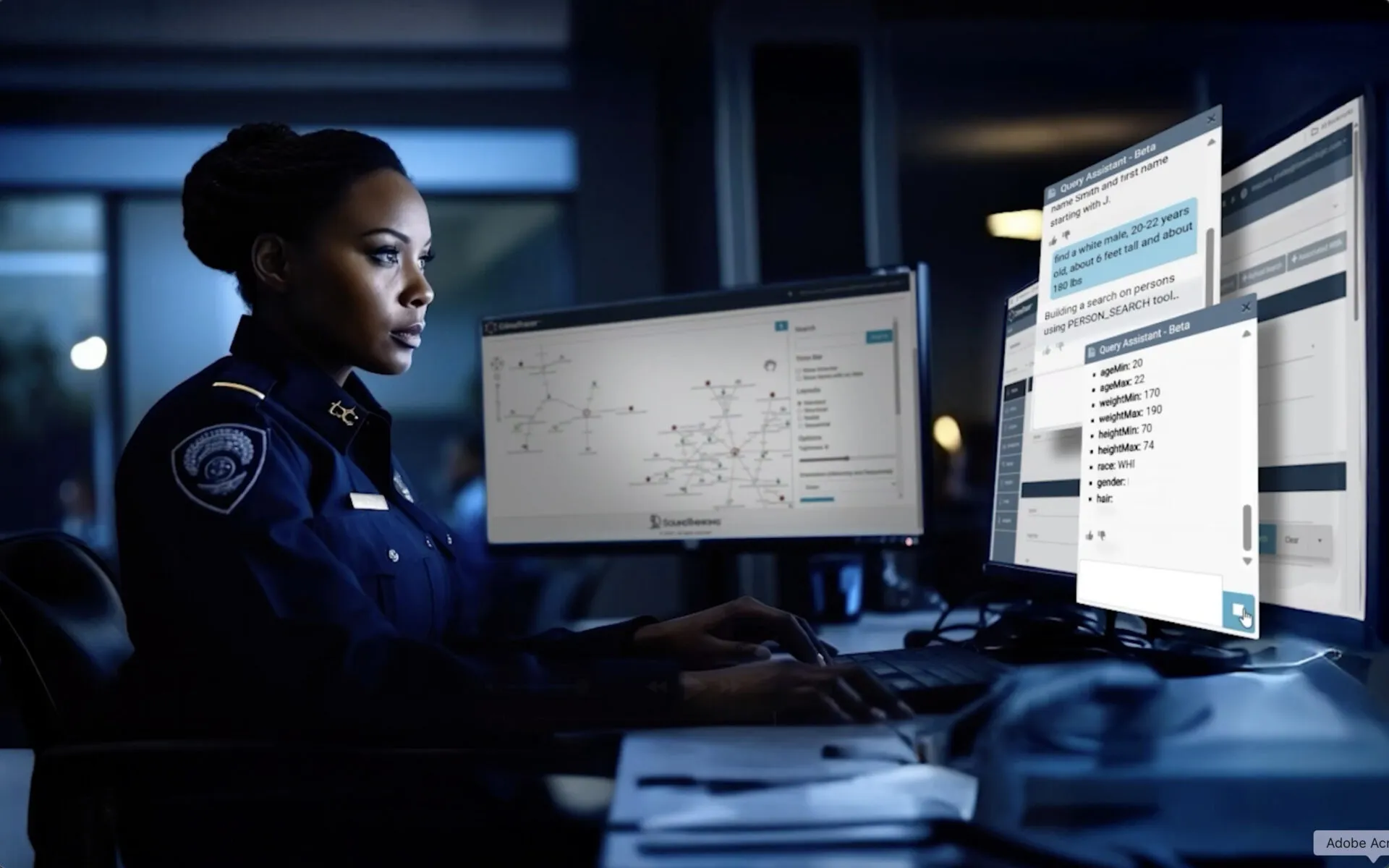
If you work organized retail crime long enough, you eventually hit the same wall: the crime crosses jurisdictions faster than the information does. That is where CrimeTracer™ can help.
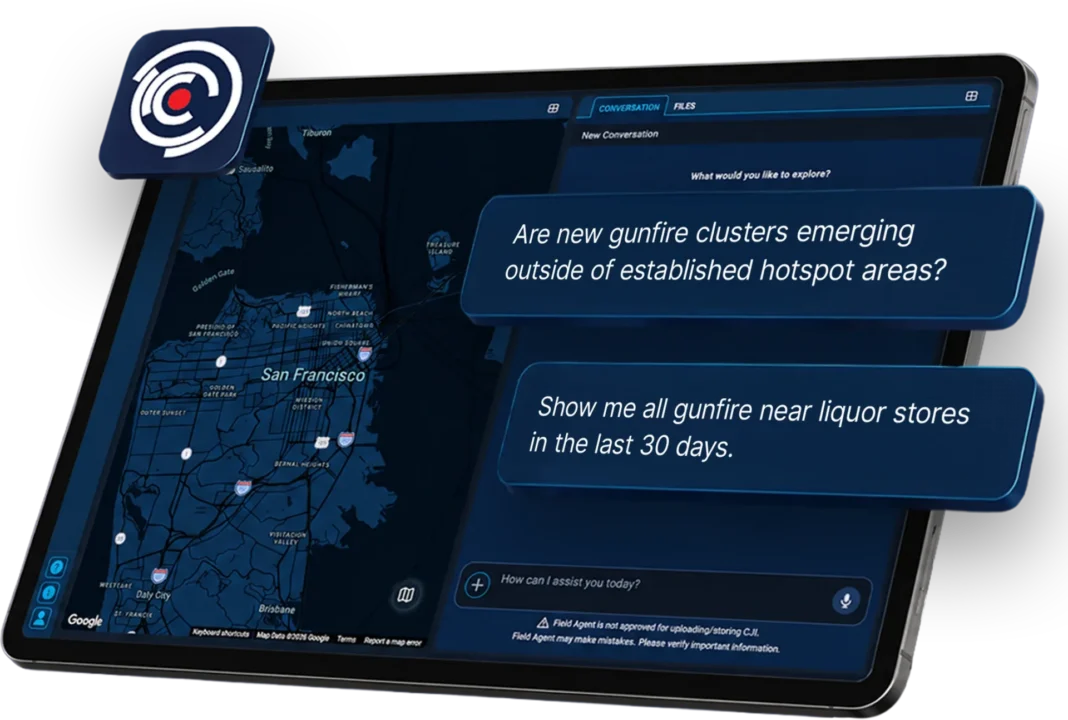
CrimeTracer is useful for cross-jurisdiction collaboration because investigators can search across several jurisdictions for people, vehicles, identifiers, MOs, and other information. Once a possible lead is found, the search details, results, records, and documents can be placed in a shared case folder. Quick access to data across cities, counties, and states is helpful when retail theft crews move between San Francisco, San Mateo County, Santa Clara County, and beyond.
If I identify someone in my city and learn they have already been hitting stores in neighboring counties, I need a place to organize the person, vehicles, phone data, incidents, retailer intel, and related records into a single working file. I need to be able to push that intelligence outward, not rebuild it from scratch every time another agency gets a hit.
CrimeTracer adds practical value in an ORC investigation. Not flash. Not jargon. Just fewer blind spots and faster coordination.
ORC Cases Are Won in the Details
Organized retail crime cases are rarely broken by one dramatic moment – they are broken by details.
Good store contacts. Clean statements on scene. Usable video. Inventory lists. Phone warrants. Surveillance. A clear understanding of when a theft becomes a robbery, or more. An understanding that the suspect in your shoplifting case may also be tied to robbery, firearms, sexual violence, or a regional fencing network.
That is the job. Not just catching the person who ran out of the store, but understanding where the product was going, who was waiting for it, who else worked with them, and what other crimes sit behind the one in front of you.
That is how these cases are made. You do not solve organized retail crime by chasing one incident at a time. You solve it by seeing the network behind the theft and building a strong case from the ground up.