Download the whitepaper to learn more about AB 1975, including requirements, timelines, and how to receive Cal/OSHA updates
Summary of AB 2975: What California Hospitals Need to Know
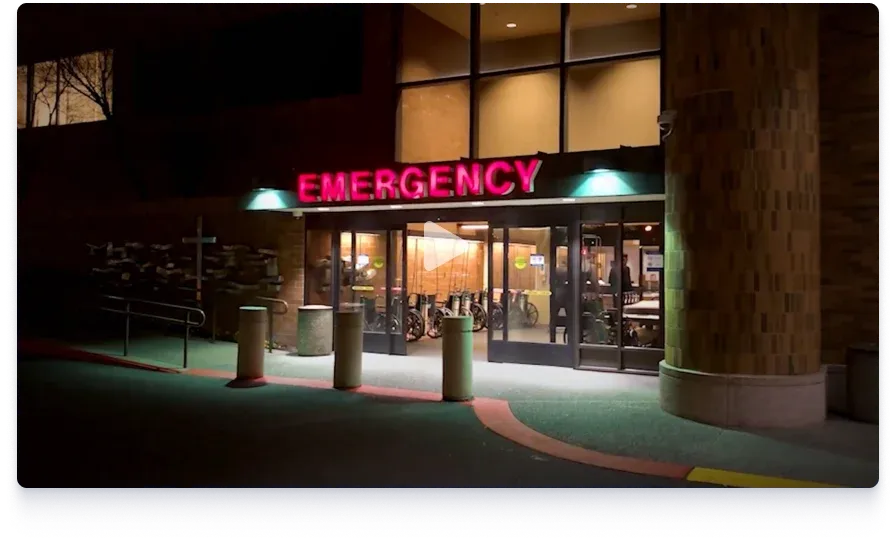

California’s Assembly Bill 2975 (AB 2975) sets a new course for hospital security. By March 1, 2027, hospitals will be required to implement weapons detection at key entrances. This shift is the result of years of rising workplace violence in healthcare settings, advocacy by unions and professional organizations, and growing recognition that voluntary guidelines were no longer enough.
Why Healthcare Workers Are at Higher Risk
Healthcare workers face dangers at rates significantly higher than those in most professions. According to the U.S. Bureau of Labor Statistics, they are five times more likely to experience workplace violence than other workers. A 2024 survey by the American College of Emergency Physicians found that 91% of emergency physicians reported experiencing threats in the past year. These numbers highlight the reality that hospitals, while dedicated to care and healing, are not immune to violence.
High-profile incidents in recent years pushed the issue further into the spotlight. The 2022 stabbing of two nurses at Encino Hospital Medical Center was a turning point, raising urgent questions about how to better protect staff and patients. For lawmakers, unions, and hospital leaders, the consensus became clear: voluntary recommendations were not strong enough to keep people safe.

How Past Laws Set the Stage
California has been working on hospital safety for more than a decade. In 2014, Senate Bill 1299 required the state’s Division of Occupational Safety and Health (Cal/OSHA) to develop workplace violence prevention standards for healthcare facilities. Two years later, these were formalized under Title 8, Section 3342 of the California Code of Regulations. The rules included staff training, risk assessment, and prevention planning, and even suggested the use of metal detectors in certain high-risk areas.
While these earlier efforts built a foundation, they stopped short of mandating specific technologies. Hospitals could choose whether to adopt them, and many facilities faced challenges in balancing voluntary guidance with the operational and staff costs. AB 2975 closes that gap by requiring weapons detection at the main public entrance, the emergency department entrance, and labor and delivery entrances when separate.
Why 2024 Became the Turning Point
By 2024, healthcare violence had reached a level that could no longer be ignored. Publicized assaults, combined with union advocacy and support from professional medical organizations, created momentum for stronger measures. The Service Employees International Union (SEIU) and the California Nurses Association were especially vocal, pressing for legislation that ensured consistent safeguards across all hospitals.
Lawmakers responded with AB 2975, authored by Assemblymember Mike Gipson and supported by bipartisan votes in both chambers. The bill passed with overwhelming support and was signed into law in September 2024. It represents not just another step in hospital safety policy, but a shift from suggestions to enforceable standards.
Moving Forward
Cal/OSHA and its Standards Board now hold the responsibility of turning AB 2975 into enforceable regulations. Between 2025 and early 2027, the Standards Board will draft, refine, and adopt detailed requirements that define performance measures, equipment expectations, and compliance timelines. Hospitals and associations will have opportunities to weigh in during advisory meetings and comment periods.
Once the final standards are adopted, hospitals will have no more than 90 days to implement their weapons detection programs. This process makes Cal/OSHA not only the enforcer of AB 2975 and the group responsible for inspecting hospitals to ensure compliance, but also the body shaping how it will be applied across diverse healthcare settings.
Looking Ahead
For hospital executives and security leaders, AB 2975 brings both challenges and opportunities. Planning must start now, even as the final regulatory standards are being developed. Hospitals will need to think carefully about technology selection, staffing, training, and patient flow.
The compliance deadline may still be over a year away, but AB 2975 is more than a legal requirement. It is a response to the reality that hospitals must do more to protect their workers and patients. By preparing early, hospital leaders can not only meet compliance but also create safer environments that support healing and trust.
Was this article helpful?



Search for More Insights
Here are some other topics you might be interested in: