









To law enforcement, organized retail crime rarely looks organized at first. It may start with a routine shoplifting call, a trespass, a vehicle stop, or a suspicious person contact — each appearing isolated and unrelated. Yet over time, the same names, vehicles, phone numbers, addresses, and methods begin appearing connected across multiple reports, retailers, and jurisdictions. The challenge is making those connections quickly when every incident sits in a separate system. By the time those patterns are recognized, suspects have moved on, evidence has fragmented, and what once looked like a shoplifting incident has revealed itself as part of a much larger criminal operation.
And the challenge of connecting information in ORC investigations is only getting worse. According to the National Retail Federation’s 2025 report, shoplifting and merchandise theft rose about 52% over the past year, while phone and digital fraud increased even faster. At the same time, 15 states passed 19 new laws in 2025 aimed at organized retail crime. But stronger statutes alone do not close cases. Investigators need a faster way to connect people, vehicles, phones, locations, bulletins, and prior incidents before organized crews move on.
Follow the ORC Network with Crime Intelligence
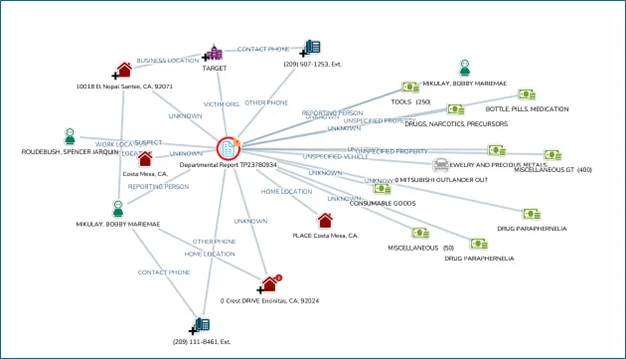
CrimeTracer Gen3’s link analysis helps connect separate incidents by bringing investigative sources together into a single CJIS-compliant environment, including CAD, RMS, field interviews, BOLOs, arrest records, pawn slips, public records via Thomson Reuters CLEAR, and partner-agency data. With access to more than a billion records from over 2,100 agencies, investigators can easily search for suspects, find leads, and compare reports to identify leads.
In ORC cases, even partial details can move an investigation forward. A vehicle descriptor, a nickname, a repeated address, or a suspect identifier in a bulletin may be enough to connect separate incidents and point to a broader crew. CrimeTracer helps investigators see relationships sooner, find leads faster, and build the larger ORC case.
The Value of Vehicle Intelligence
Vehicles are often one of the fastest ways to connect ORC activity across stores and jurisdictions. The same crew may reuse a vehicle, swap drivers, rotate between vehicles, or travel the same corridor, hitting multiple retailers in a short period. Those patterns are easy to miss when vehicle information is spread across reports and jurisdictions.
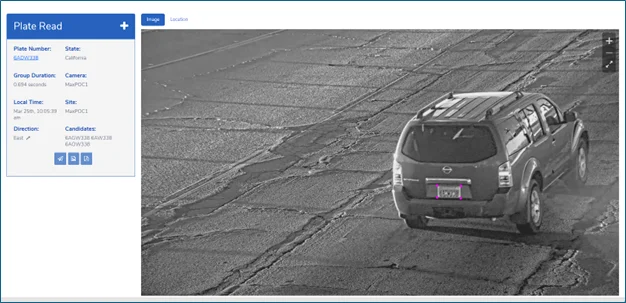
ALPR and vehicle descriptors can help close that gap. A license plate, make, model, color, or partial plate may be enough to link activity that otherwise looks unrelated. When vehicle intelligence can be reviewed alongside reports, people, locations, and other case information, investigators have a better chance of seeing how a vehicle fits into the broader ORC picture rather than treating it as a standalone lead.
For example, a crew hits a big-box store, and the first report gives investigators only a partial plate and a dark gray Nissan SUV. Two days later, another agency works a similar theft and documents a gray SUV with two suspects leaving the lot. A neighboring jurisdiction then captures an ALPR read on a Nissan Pathfinder shortly after the second incident. On their own, those details may not mean much. But with a tool like CrimeTracer Gen3, investigators can query the partial plate and vehicle description, connect the vehicle to both incidents, and start to see the same crew moving across jurisdictions.

Visualize ORC Activity with Dashboards
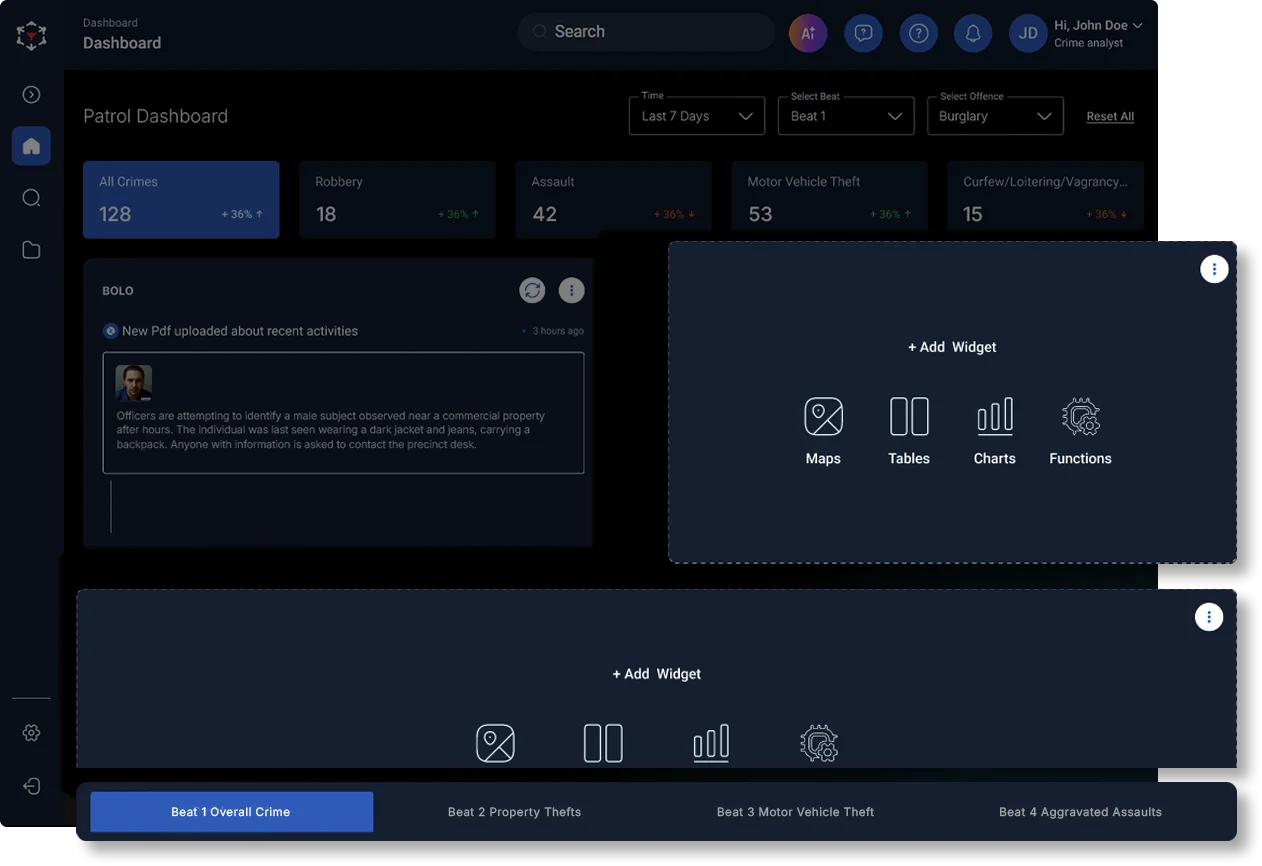
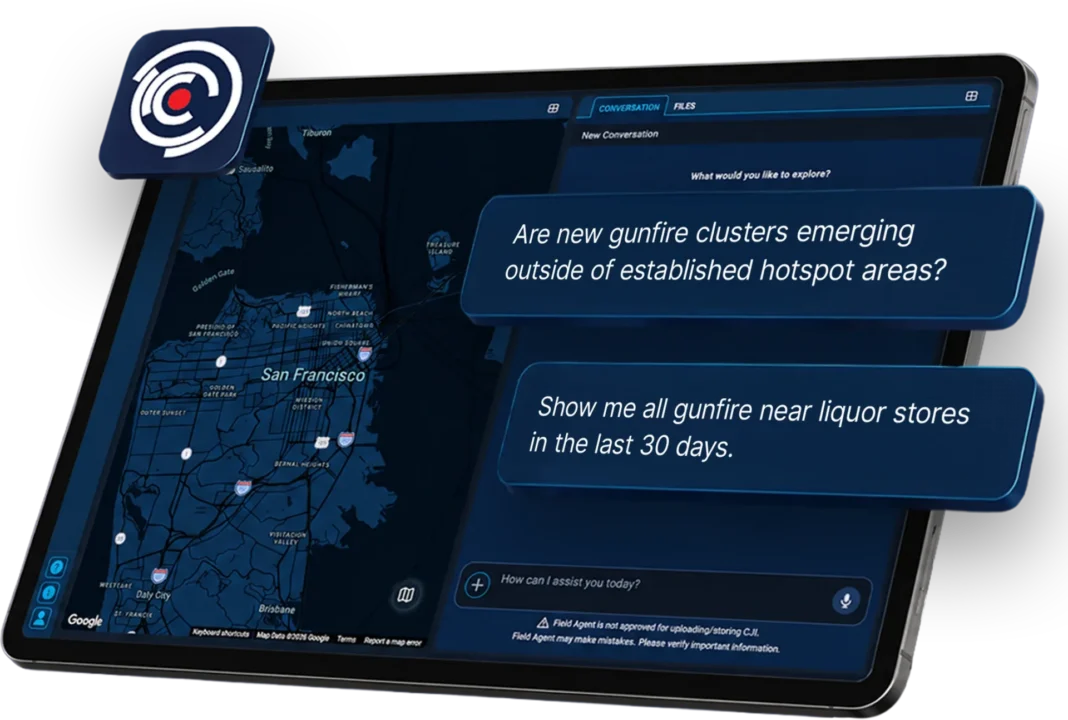
For ORC investigators and crime analysts, geography matters. Crews move between stores, shopping corridors, cities, and counties. Seeing incidents, bulletins, and related activity together can help investigators identify clusters and compare them across locations. CrimeTracer Gen3 dashboards give investigators and command staff a way to compare information. Seeing incidents, bulletins, and related activity together can help investigators identify clusters, track movement, and recognize when separate thefts may be part of the same crew’s activity.
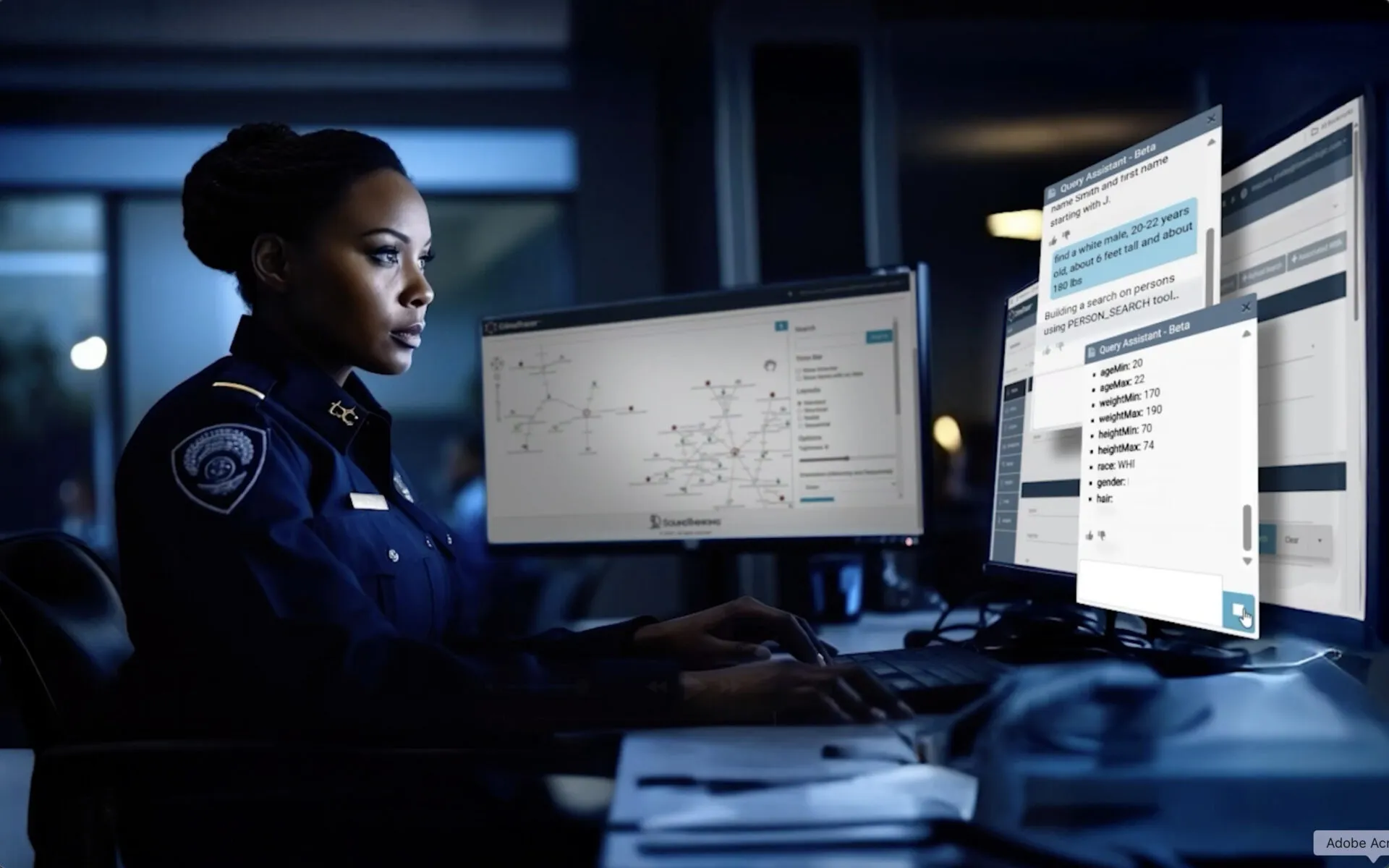
Search tools with natural language processing let investigators search without relying on rigid query structures. The easier it is to run down a name, vehicle description, nickname, or suspect detail across connected records, the faster investigators can test whether a case stands alone or belongs to something larger.

Share Intelligence Faster with Crime Bulletins
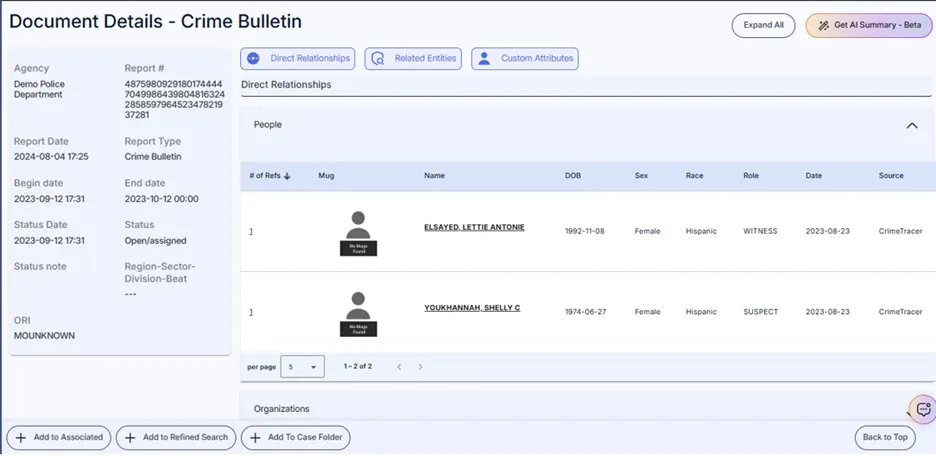
In organized retail crime investigations, small identifiers can matter. A suspect may be caught on store surveillance with a distinctive neck tattoo or other visual identifier. If that detail is included in a crime bulletin, investigators can search for the same identifier across other bulletins, BOLOs, and reports from nearby or out-of-area agencies. Investigators can even set an alert so that any new record containing that descriptor automatically comes to their attention.
CrimeTracer Gen3 can also help agencies create and distribute data-rich crime bulletins in seconds. Bulletins that help move suspect details, vehicle information, methods of operation, locations, and related incidents quickly across agencies while keeping those details searchable for follow-up casework.
Coordinate Multi-Agency ORC Investigations with Case Folders
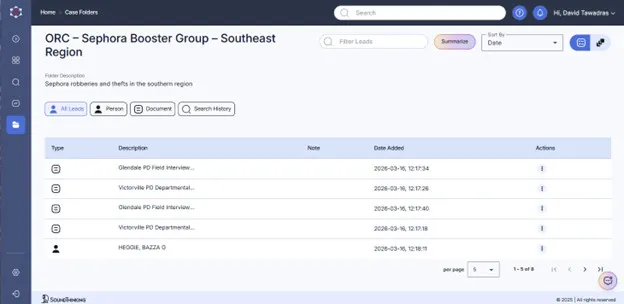
ORC cases rarely stay within one agency. One jurisdiction may have a suspect identifier. Another may have vehicle information. A third may have reports tied to the same crew’s activity at different retail locations. The challenge is getting those pieces into a single, workable case picture instead of leaving them scattered across email chains, disconnected files, and separate systems.
CrimeTracer Gen3 Case Folders can help investigators organize and preserve that work across agencies and task forces. Rather than building in parallel, teams can contribute to the same case, compare what each agency has, and keep the focus on the broader organization instead of treating each theft in isolation. For long-running ORC cases, the shared investigative progress also matters during staff handoffs, warrant preparation, enforcement planning, and prosecution support.
And for command staff, two things matter here. Controlled, permission-based sharing means access is managed and accountable. Case continuity means institutional knowledge doesn’t walk out the door during staff rotations or handoffs. The case record stays intact from initial reports through intelligence development, warrant preparation, coordinated enforcement, and prosecution support.
Funding Sources for ORC Investigations
Agencies looking to strengthen ORC investigations should not limit their funding search to grants labeled specifically for organized retail crime. Funding often comes through programs that support criminal justice information systems, data sharing, analytics, technology, training, and task force coordination.
Congress recently reintroduced the Combating Organized Retail Crime Act of 2025, or CORCA, which aims to improve federal coordination, industry information sharing, and investigative tools tied to organized retail and supply chain crime. The BJA Edward Byrne Memorial Justice Assistance Grant program remains one of the most flexible federal sources for investigative technology and data-sharing initiatives.
Watch the Grant Funding for Public Safety Webinar on Demand
State-level opportunities may be available through criminal justice planning offices, attorney general initiatives, and ORC task force appropriations. Agencies should also evaluate whether forfeiture or equitable sharing funds can support ORC-related investigative technology in accordance with current DOJ and Treasury guidelines.
Public-private partnerships can also strengthen a funding proposal. Retailers hold incident histories, suspect photos, transaction data, and loss-prevention intelligence that help investigators identify larger ORC networks. A proposal framed around intelligence sharing, cross-jurisdiction coordination, and collaboration with prosecutors and retail partners is often more competitive than a request for a standalone technology purchase.
Turn Disconnected ORC Data into Intelligence
Organized retail crime is not a store-level loss issue. It is a public safety challenge, a community concern, and over time, a municipal revenue problem. When ORC goes unchecked, retail corridors see store closures, reduced foot traffic, and declining sales tax revenue that cities and counties rely on to fund essential services.
For investigators, the job is not just to clear the next theft report. It is to identify the network behind the activity, connect the right people, vehicles, locations, and incidents, and support the coordinated enforcement needed to disrupt it. Tools such as CrimeTracer Gen3 can support that work by helping agencies search across connected records, find patterns faster, and coordinate case development across jurisdictions.
Exposing the ORC network and supporting coordinated enforcement helps protect both public safety and the economic health of our communities.
FAQs:
What is CrimeTracer Gen3?
CrimeTracer Gen3 is a CJIS-compliant, agency-wide tool with an investigation, crime analysis, and search platform that links to over a billion law enforcement and public records. Additionally, there are analytics tools such as patrol and trends dashboards, a chatbot using natural-language processing, and case folders.
How does CrimeTracer Gen3 support organized retail crime (ORC) task force investigations?
CrimeTracer Gen3 helps ORC task forces connect incidents across stores, jurisdictions, and agencies by using algorithms to identify common elements and provide key insights that link vehicles, phone numbers, locations, and methods of operation. It also supports bulletin sharing, link analysis, and collaborative case-building, enabling investigators to move beyond isolated theft reports and work toward the broader network behind the activity.
Is CrimeTracer Gen3 CJIS-compliant?
Yes. CrimeTracer Gen3 is designed to operate in a CJIS-compliant environment, helping agencies handle sensitive investigative data while supporting secure access, controlled sharing, and accountable case coordination, with audit capabilities.
What types of funding are available to use CrimeTracer Gen3 in ORC investigations?
Funding may be available through federal, state, and local sources that support criminal justice information systems, data sharing, analytics, investigative technology, training, and task force coordination through programs such as Byrne JAG, state ORC appropriations, attorney general initiatives, forfeiture or equitable sharing funds, where allowable, and public-private partnership opportunities tied to retail crime reduction.
Can CrimeTracer Gen3 be used for other patrol functions, investigations or as crime-analysis software for law enforcement?
Yes. CrimeTracer Gen3 can also support other patrol, investigative, and analytical work, including violent and property crime investigations, gang investigations, warrant support, suspect development, pattern identification, and cross-jurisdiction case coordination. It can be used both as an investigative tool and as crime analysis software to help agencies turn disconnected records into more useful case intelligence. In addition to the search capabilities available to patrol, the patrol dashboard provides a helpful overview of agency crime data, useful for briefings and throughout patrol shifts.