When you send officers to a hot spot, how long should they stay, and how often should they return, to reduce crime without wasting limited patrol time? This breakout session at the 2025 American Society of Criminology (ASC) Conference addressed that practical question, emphasizing that agencies can’t plan for future staffing increases; the more realistic path is to get more impact from the resources already on the street.
What is the Koper Curve?
The Koper Curve addresses a “dosage” problem in directed patrol. If officers stay too briefly, the deterrent effect may not take hold. If they stay too long, the added benefit flattens out—or even declines—while pulling officers away from other calls, proactive work, and additional hot spots.
The original guidance from Christopher Koper’s 1995 research is to aim for short, purposeful visits (roughly 10–15 minutes) delivered in an intermittent, unpredictable pattern. The idea is that these patrol doses create a residual deterrent effect after officers leave, but the benefit doesn’t increase the longer officers remain in the area beyond 10-15 minutes.
What the Field Research Suggests About the Koper Curve Patrol Dosage
The Koper Curve concept is essentially a “dosage” problem. If officers stay too briefly, the effect may not “take.” If they stay too long, the added benefit can flatten out (and may even decline), pulling officers away from other calls, proactive work, and other hot spots. The presentation revisited the original guidance, which was to aim for short, purposeful visits of roughly 10–15 minutes, delivered intermittently and without a pattern.
A study from Cambridge University following the Merseyside Police found the following:
- 10–15 minutes often outperforms shorter, more frequent stops
- One example discussed compared longer visits (two to three ~10-minute patrols) to shorter but more frequent patrol patterns (five ~5-minute patrols). The takeaway: crime was lower on the days with the longer visits, suggesting that very short stops may not provide the same deterrent benefit—even if officers return more often.

- Efficiency gains: “less time” in hot spots without worse outcomes
- The session highlighted a study conducted in Liverpool’s entertainment district on weekend nights (midnight–4:00 a.m.). When officers conducted 12–15-minute patrols each hour, researchers reported a 35% reduction in total patrol time spent in hot spots compared with a control approach — without an increase in crime or measured social harm.
- Diminishing returns beyond 20 minutes
- The presenters also noted the research aligns with Dr. Koper’s initial research, that extending presence beyond about 20 minutes does not produce additional crime-reduction benefit.
How Does the Koper Curve Patrol Methodology Compare to Other Patrol Styles?
The presenters grouped hot spot patrol studies into three broad “buckets”. The classic Koper-curve-style studies, fixed-post/extended-foot patrol deployments, and a third category with variable or unspecified dosages. The presenters stated there was no clear evidence that those other approaches outperform consistent 10–15-minute hot-spot patrols, and that success rates in the non-Koper categories appeared lower in the research they reviewed.
A major theme of the presenters when verifying the usefulness of the Koper Curve was replication. Testing whether earlier Koper Curve findings hold up across time and across different communities is the best way to test the dosages. The presenters described a study designed to replicate earlier analyses while expanding them in several ways:
- Using data from 10 U.S. localities to test how generalizable the findings are across contexts
- Using official crime incident data rather than observer-recorded disorder events
- Looking at impacts on more serious events, and evaluating patrol visits of any duration (not just a narrow band)
Practical Guidance for Patrol Commanders
Making the patrols intermittent, without neglecting areas that are shown to be hot spots for crime, is paramount. The presenters reiterated operational guidance from the Koper Curve studies, aiming for roughly 10–15 minutes at a hot spot, repeat as frequently as feasible, and avoid showing up at the same place at the same time every day, which some agencies have successfully adopted. A little unpredictability is part of the deterrent effect.
The research approach described treats each patrol “dose” as an observation with a start time, a dosage duration, and the time to the next relevant event, while also accounting for challenges such as overlapping patrols that can muddy the timing and dosages. The presenters reminded patrol commanders that, for directed patrol to be defensible and manageable, clear definitions and clean tracking are required.
What the Session Emphasized About in Hot Spots
A key takeaway was that directed patrol works best when agencies think in terms of dosage, not just presence. The presenters described a “sweet spot” where visits are long enough to matter, but short enough to preserve time for the rest of the beat. That middle range was repeatedly framed as the point where the return on time invested is strongest.
They also pushed back on the idea that “more minutes are always better.” The presenters reinforced the idea of diminishing returns—staying too long can flatten the impact and reduce flexibility, especially across multiple hot spots during a shift. In practice, the message was to aim for repeatable, manageable visits that supervisors can coach and officers can execute under real-world call volume.
How to Translate the Koper Curve into Patrol Practice
Operationally, short, purposeful visits are delivered intermittently. That means showing up, being visible, doing a quick but intentional scan, and moving, then returning later when feasible. Just as important, the presenters highlighted the value of avoiding perfectly predictable patterns so hot spot patrol doesn’t become easy to anticipate.
They also pointed out that “what officers do” during those minutes matters. The approach works best when patrol activity is focused and consistent with the goal of deterrence and disruption, rather than becoming a long, stationary presence that eats time without changing conditions. The overall tone was pragmatic: build a model that fits your shift reality, then refine it with data.
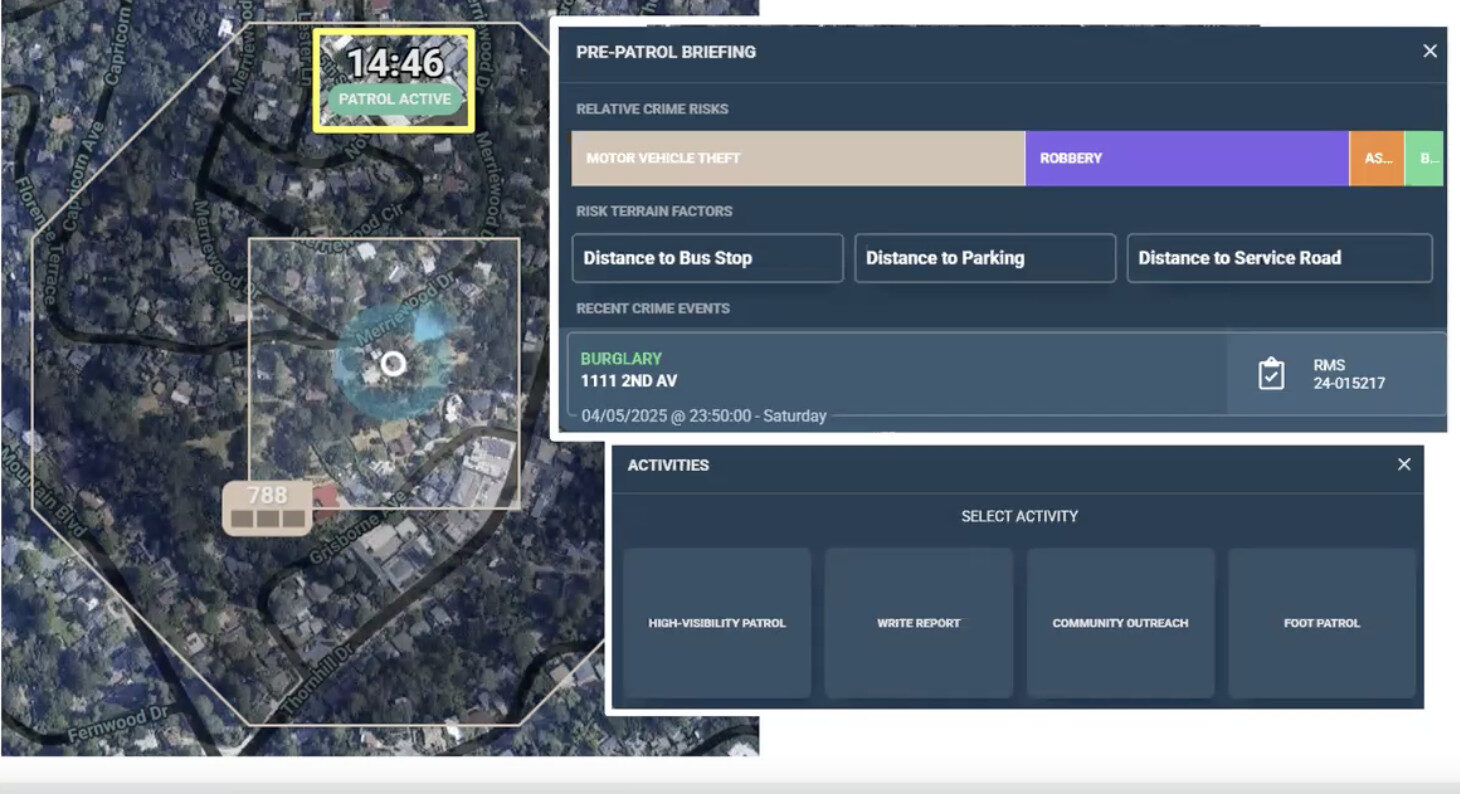
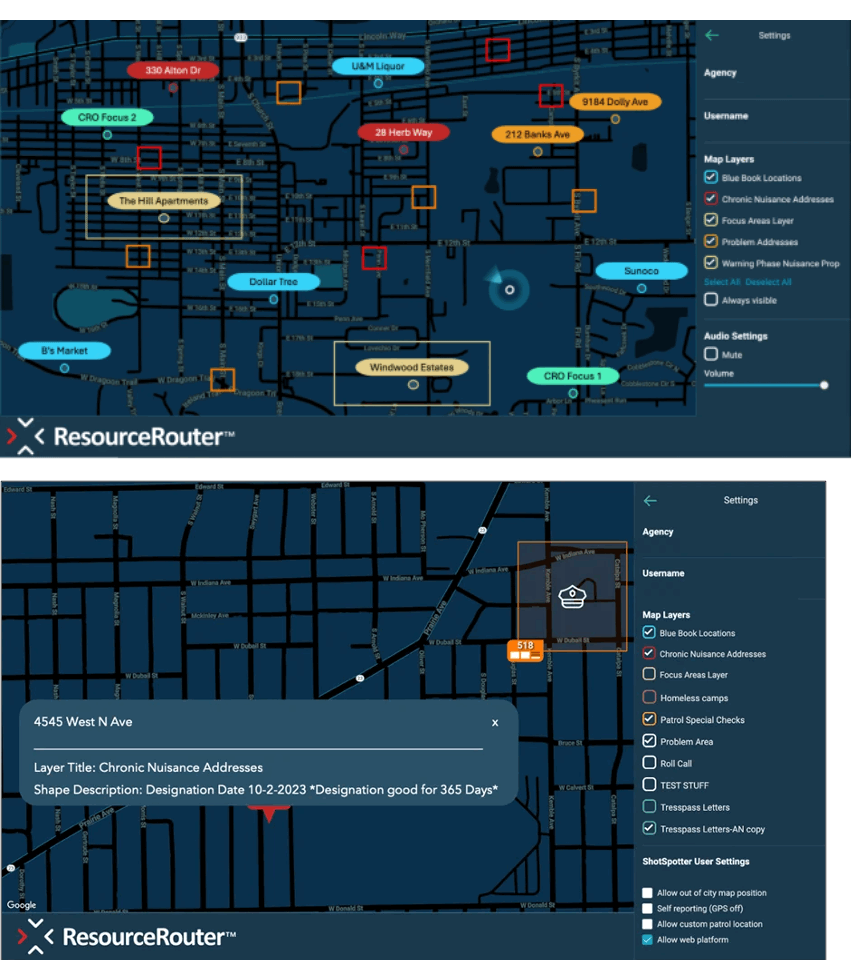
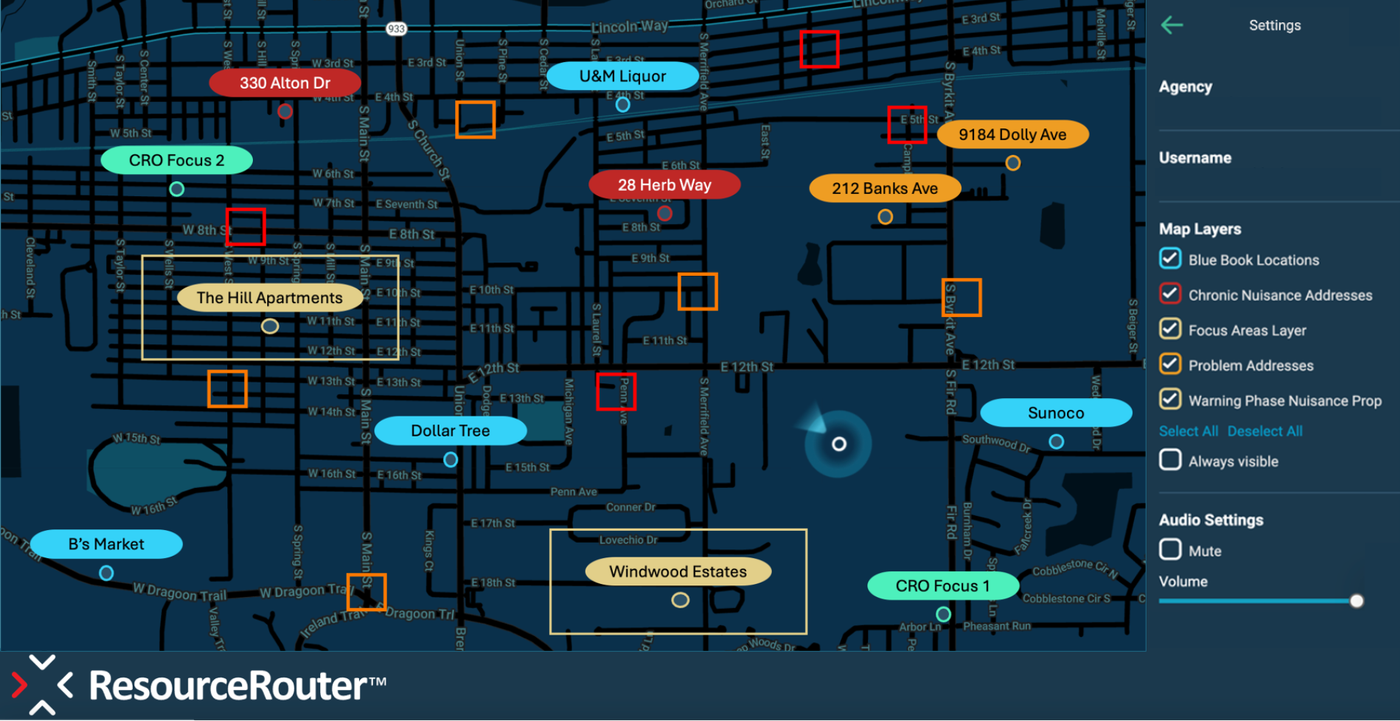
For agencies looking to put these principles into practice, SoundThinking’s ResourceRouter™ is designed to operationalize Koper Curve guidance at the patrol level. The solution helps supervisors define hot spot boundaries using multiple data points from the agency’s crime data to minimize bias, set target visit durations, and track whether patrol dosage goals are being met in real time. By providing visibility into where officers are spending time—and for how long—ResourceRouter addresses one of the session’s key leadership points: you can’t coach or evaluate directed patrol if you can’t measure it consistently.
Schedule a call to learn more about how ResourceRouter uses the Koper Curve methodology