ShotSpotter® sensors detect and triangulate gunfire in near real-time, providing an exact hit area rather than relying on 911 calls alone. This technology enables Pueblo PD to uncover gunfire incidents that historically might have gone unreported.
How Pueblo PD Uses ShotSpotter and BRINC Drone Integration for Response to Gunfire
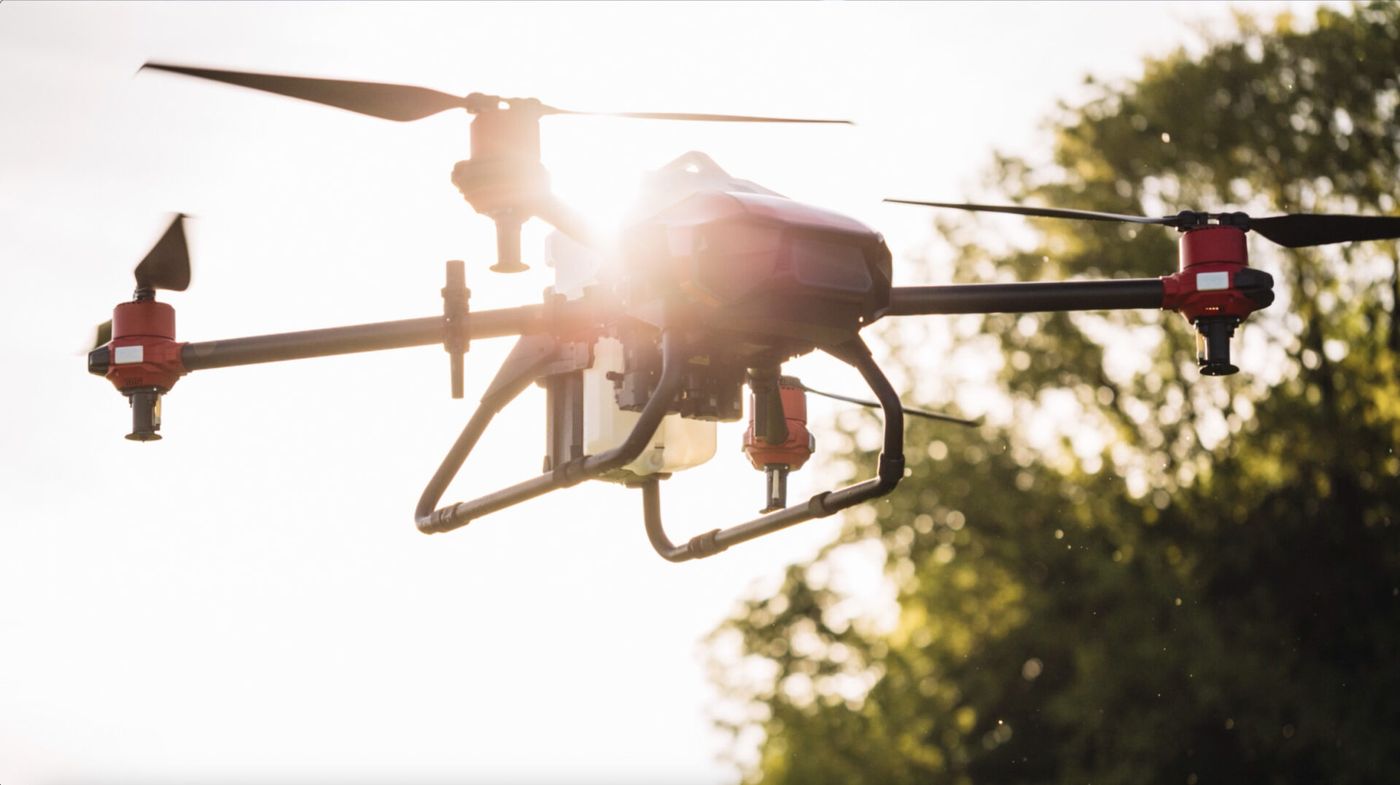

The past year has seen significant growth in Drone as First Responder (DFR) programs. Across the U.S., DFR programs are demonstrating measurable benefits: earlier aerial arrival, reduced risk to officers, and programmed situational awareness before patrol units can physically arrive at a scene. Industry reports show that DFR systems are now widely adopted, with some agencies reporting that drones can often reach incidents before ground units and return patrol units to service in roughly 25% of cases, freeing those units to respond to other calls.
These systems also provide real-time visuals and intelligence to improve decision-making and officer safety upon arrival. Building on this national momentum, the Pueblo Police Department (PPD) has successfully integrated ShotSpotter® gunshot detection with BRINC Drones, generating meaningful operational impact within months of launch.
The Integration That Changed the Game: ShotSpotter Meets BRINC
As Chief Chris Noeller explained in his interview with SoundThinking at IACP 2025, Pueblo recently went live with a ShotSpotter–BRINC drone integration, which, when fully operational, will enable automatic drone deployment in response to a ShotSpotter alert of gunfire. On its very first operational use after integration, the system was launched to a real gunfire incident, arriving so quickly that the thermal camera could identify shell casing locations, even though the shooters had already fled.
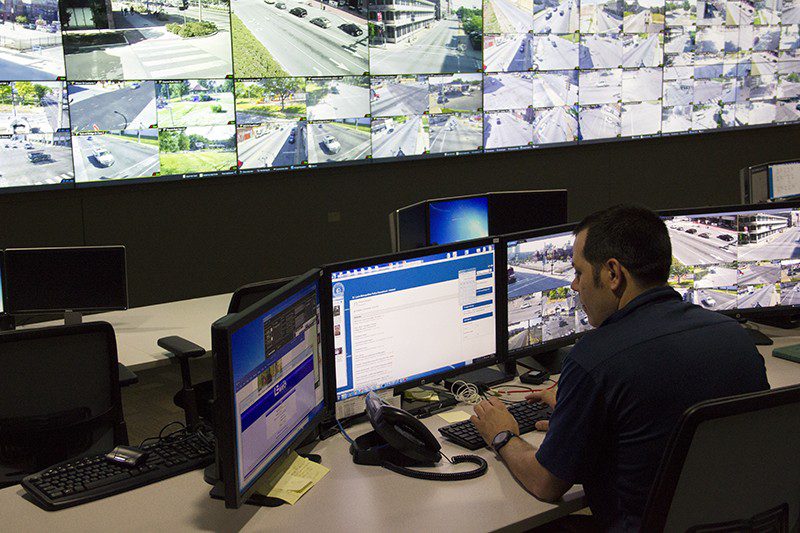
This integration marks a major step in Pueblo’s real-time crime center (RTCC) strategy. With the integration, alerts trigger a rapid aerial response that can support officers on the ground with precise location intelligence. The result is not just faster situational awareness but also evidence collection support from the sky. In the future, Chief Noeller anticipates that such integrations will become even more effective as additional components attach to the overall real-time crime center system.
Technology in Context: How Pueblo’s Tech Suite Works Together
Pueblo’s RTCC pulls together an ecosystem of real-time tools that transform how officers respond to violent crime:
- BRINC drones as first responders can be launched when ShotSpotter detects gunfire, providing aerial thermal and visual data that can pinpoint shell casing locations and scene conditions before officers arrive. Pueblo does not automatically launch drones without approval due to weather conditions, like wind, other missions in the alert area, and if the alert is within drone coverage.)
- ALPR (Automatic License Plate Recognition) systems and mobile cameras feed live data into the RTCC, helping officers and analysts match vehicles and movements tied to incidents.
- Drone footage and RTCC displays give commanders an overhead perspective, which enhances decision-making and improves operational safety on the ground.
These integrations in Pueblo, along with broader RTCC activities, are providing actionable intelligence that boosts both response times and evidence chain development.
Why Drone First Response Matters for Violent Crime
Law enforcement agencies adopting drones as first responders report multiple benefits:
Faster situational awareness: Drones can reach incident locations faster than patrol units in many environments, especially when docked and on standby. This allows real-time visuals before officers arrive.
Improved resource allocation: National reviews of DFR programs suggest that drones often allow patrol units to remain available by negating the need for immediate physical dispatch in approximately 25% of cases, allowing officers to focus on the highest-priority responses.
Safety and evidence collection: Drones can identify hazards, suspects, shell casings, and other critical situational elements before officers put themselves in harm’s way. Their thermal sensors and high-resolution cameras expand what officers can observe from the ground.
Reduced response time to unpredictable events: In shooting incidents or volatile situations, seconds count. Independent analysis shows that rapid aerial intelligence can increase the likelihood of safely resolving situations and enable earlier, life-saving actions when necessary.
Pueblo’s experience integrating drone response with gunfire detection provides a rapid set of eyes that can supplement officer safety and evidence collection at critical moments.

Measurable Impact in Pueblo
While national research highlights drones’ systemic advantages, local Pueblo reporting provides concrete outcomes for recent deployments:
ShotSpotter alerts in Pueblo have led to first responders locating and rendering potentially life-saving first aid to 37 victims in the past two years. During the same period, of the 3,383 ShotSpotter alerts, Pueblo PD received 911 calls for only 608 incidents (17%).
Pueblo PD has recovered over 4,300 shell casings via ShotSpotter alerts, enabling more robust ballistic evidence collection and stronger investigative leads, which could improve with the addition of the DFR integration.
In addition to the speed and precision of ShotSpotter alerts, local Colorado reporting confirms drones are now being positioned strategically around the city to provide real-time overwatch in conjunction with ShotSpotter alerts and RTCC monitoring.
Looking Forward: What Pueblo’s Integration Teaches Other Agencies
Chief Noeller’s experience in Pueblo highlights several key lessons for agencies considering similar technology investments. Impact comes from leveraging real-time data by integrating systems such as gunshot detection, drones, ALPR, and real-time crime centers into a single operational picture that delivers actionable intelligence. Equally important is planning for collaboration by selecting technologies that enable data sharing with neighboring jurisdictions and regional partners. Sustained success depends on investing in training and clear policies.
Pueblo PD’s integration of ShotSpotter detection with BRINC drones as first responders represents a forward-looking blend of real-time crime detection, aerial response, and digital intelligence. With tangible benefits of saving lives, faster scene assessment, and stronger evidence collection, this combined approach demonstrates how innovative technology, when deployed thoughtfully and in the best interests of the community, can enhance officer capacity and community safety.
Learn more about ShotSpotter’s integration with drone and first responder technology.
Was this article helpful?


Search for More Insights
Here are some other topics you might be interested in: