Faster Response to Save Lives. Detect Gunshots in Under 60 Seconds.
The proven gunshot detection system trusted by agencies nationwide to save lives, locate evidence, and improve public safety.
SOC2 Compliant
section-1-1
section-1-2
section-1-3
section-1-4
section-1-5
section-1-6
A gunshot just happened.
Would this ever reach 9-1-1?
section-2-1
section-2-2
section-2-3
Most gunfire doesn’t.
More than 80%* of shooting incidents are never reported, leaving officers unaware and victims waiting for help.
section-3-1
section-3-2
section-3-3
section-3-4
section-3-5
ShotSpotter® Closes this Critical Awareness Gap
detecting, triangulating, and alerting officers to gunfire in under 60 seconds so agencies can:
- Respond Faster
- Save Lives
- Collect Critical Evidence
Working Together, We Have Achieved Incredible Results:
ShotSpotter improves awareness of gunfire, with more than 90% of gunfire being reported, in stark contrast with only 12% of gunfire reported without ShotSpotter.
Trusted by Over 250 Agencies Across U.S.


West Columbia Police Chief Marion Boyce shares a touching story about a resident who, after ShotSpotter was implemented, felt safe enough to enjoy her life again. Once saying, ‘I’m tired of not being able to go out and live life,’ she later sent Chief Boyce a thank you card, expressing her gratitude for being able to sit outside without fear.


Designed for Officers
Simple, Instant, Everywhere
- Clear maps.
- Precise locations.
- Instant audio.
- No new hardware.
- No complex workflows.
Officers get the clear, instant information they need — on the devices they already use:
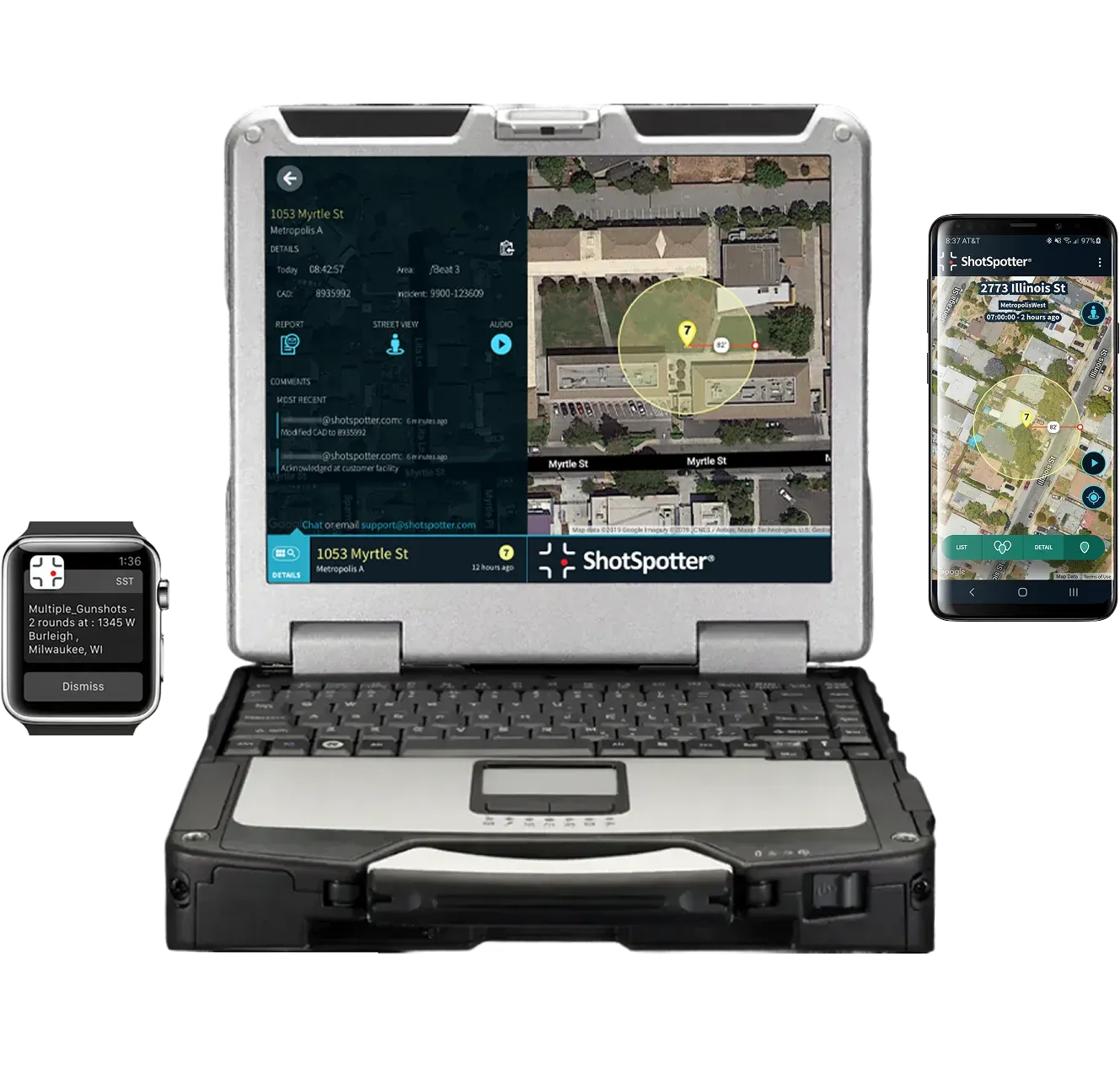
- iOS
- Android
- Web
- Mobile
- Smartwatch
- Desktop
- CAD / In-car MDTs
Officers get the clear, instant information they need — on the devices they already use:
- iOS
- Android
- Web
- Mobile
- Smartwatch
- Desktop
- CAD / In-car MDTs
Security and Transparency Are Built In

SOC 2 Type II Compliant
Limited, event-based audio capture
Privacy protections independently audited
180+
Cities Worldwide Use ShotSpotter
GET IN TOUCH
Ready to Improve Gunfire Response in Your City?
Speak with our team to understand coverage, costs, integrations, and real outcomes.
1
Connect with Our Team
A representative will reach out by email or phone to schedule a brief introductory call.
2
Discuss Your Needs
During this call, we’ll discuss the specific challenges faced by your organization and explore how we can help.
3
Personalized Solution
We will connect you with a solution architect who will provide a tailored demo and outline a clear roadmap.
ShotSpotter Market Applications
Law Enforcement Solutions
Campus Security
ShotSpotter® | Perimeter
Corporate Locations
Hospitals and Healthcare Facilities
Hospitality & Casinos
Higher Education Locations
ShotSpotter® for Highway
ShotSpotter® for Corporate
ShotSpotter® Technology
How Shotspotter® Works
ShotSpotter® helps police respond to gunfire faster and with greater precision.
Download DATASHEET
Forensic Services Available with ShotSpotter®
Court-admissible analysis for stronger shooting cases
ShotSpotter Forensic Services and Litigation Support helps investigators and trial teams better understand shooting incidents through expert analysis of ShotSpotter evidentiary data and reports. Products such as the Detailed Forensic Report provide court-admissible findings on how, when, and where gunfire occurred, including audio evidence that can be replayed in court to help corroborate or challenge other evidence in a case.
In addition to providing Detailed Forensic Reports that include forensic examination of the ShotSpotter data, ShotSpotter Forensic Services helps investigators and trial teams better understand when, where, and how a shooting occurred through court-admissible analysis and expert review. ShotSpotter evidence and expert witness testimony have been successfully admitted in more than 400 court cases, helping clarify incidents and strengthen case presentation.
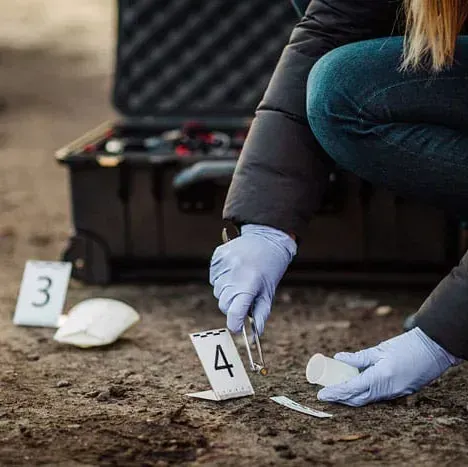
ShotSpotter Forensic Services and Litigation Support

Investigative Services for Law Enforcement

Expert Witness Services for Attorneys

Business Certification Request
ShotSpotter® can multiply the value of your other technologies
ShotSpotter® Features
ShotCast provides a video summary report of a shooting incidents suitable for sharing with broadcast or other news media outlets. ShotCasts are available within SoundThinking’s InSight application and include the actual gunfire audio and other incident details.
Learn More About Exclusive ShotSpotter® Capabilities
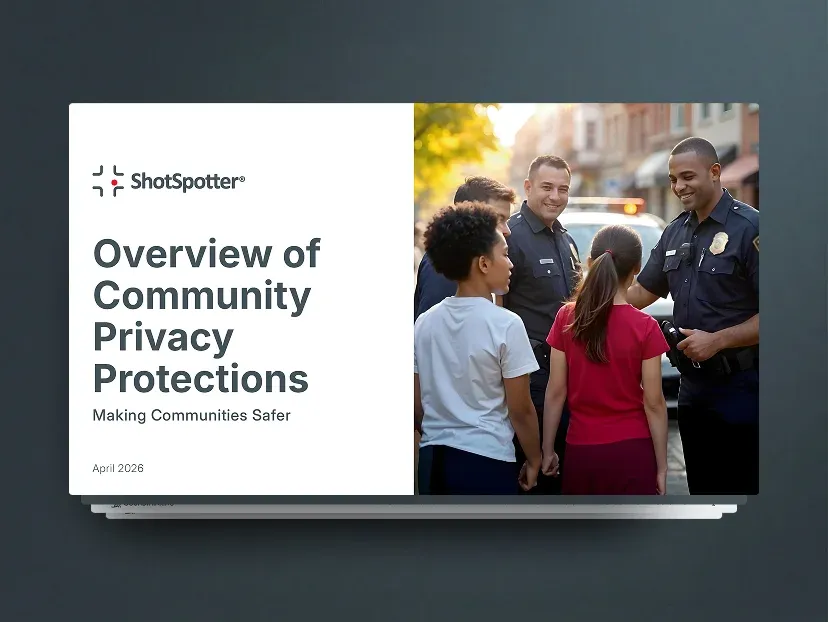
ShotSpotter® Community and Privacy Protections
Outdoor gunfire detection that helps protect officer safety and community safety with trust and transparency.
Integration Services
Gunfire alerts can be integrated directly with multiple technology platforms for immediate benefit such as:
- Point and zoom cameras toward gunfire incident
- Display gunshot location on crime maps in real-time
- Gunshot incident data can be set up to automatically transfer to CAD/RMS/Crime
ShotSpotter® gunfire data with lat/long and timestamp and more flow through API to partner system
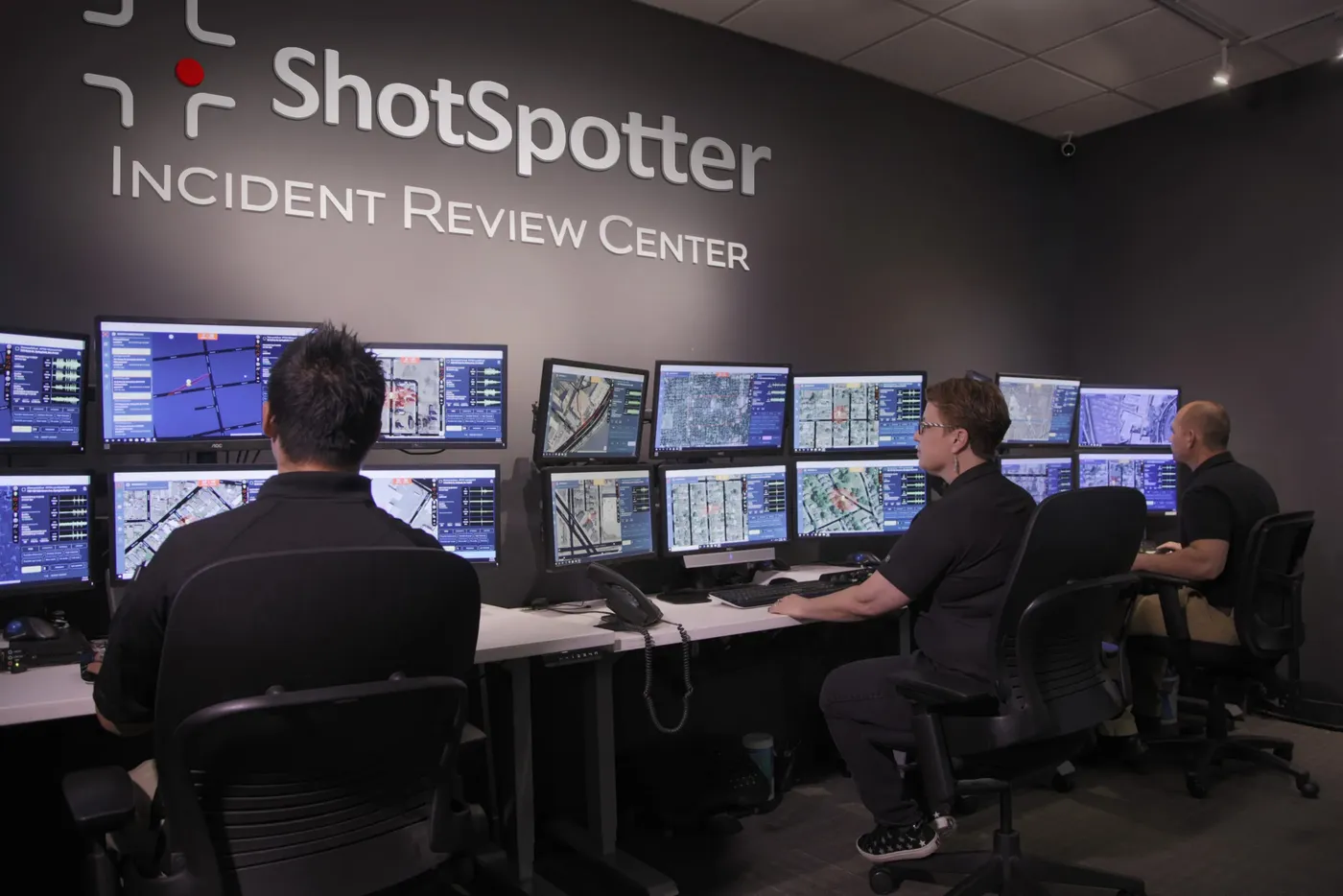
RTCC/GIS
Real Time Crime Center and Geographic Information Systems - plot gunshot activity on a crime map in real time

CAD/RMS
ShotSpotter automatically sends alert data to police systems so patrol officers are dispatched and records systems get updated.
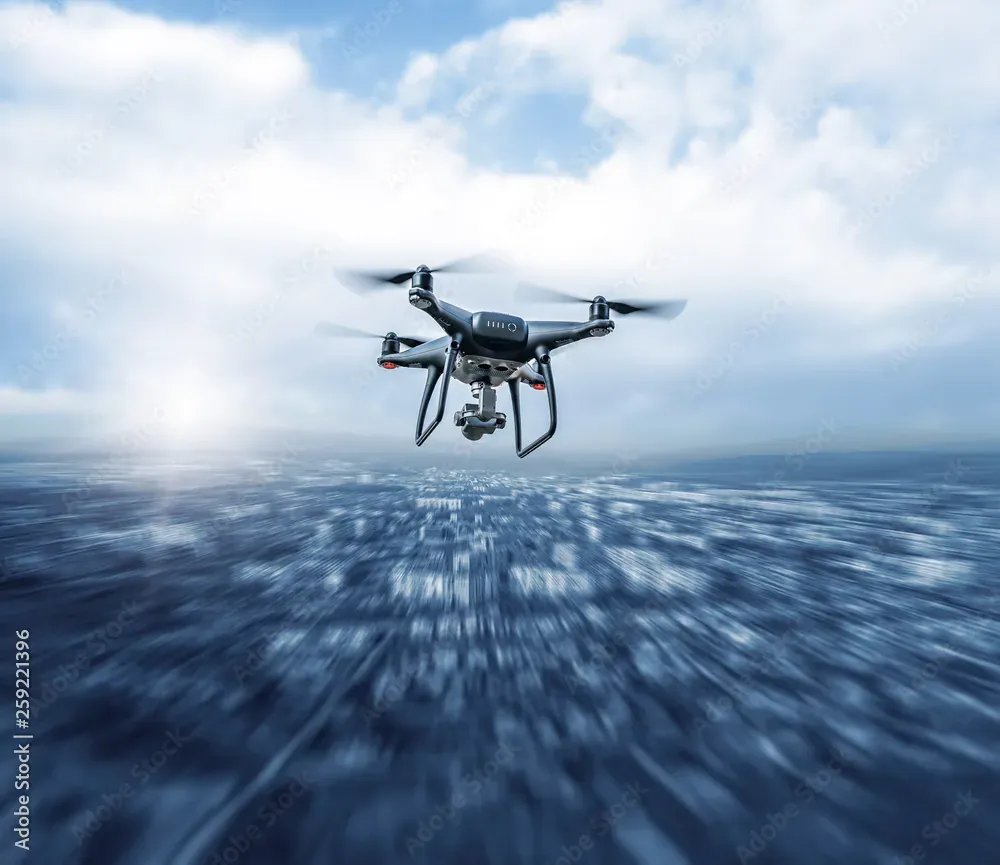
Drones
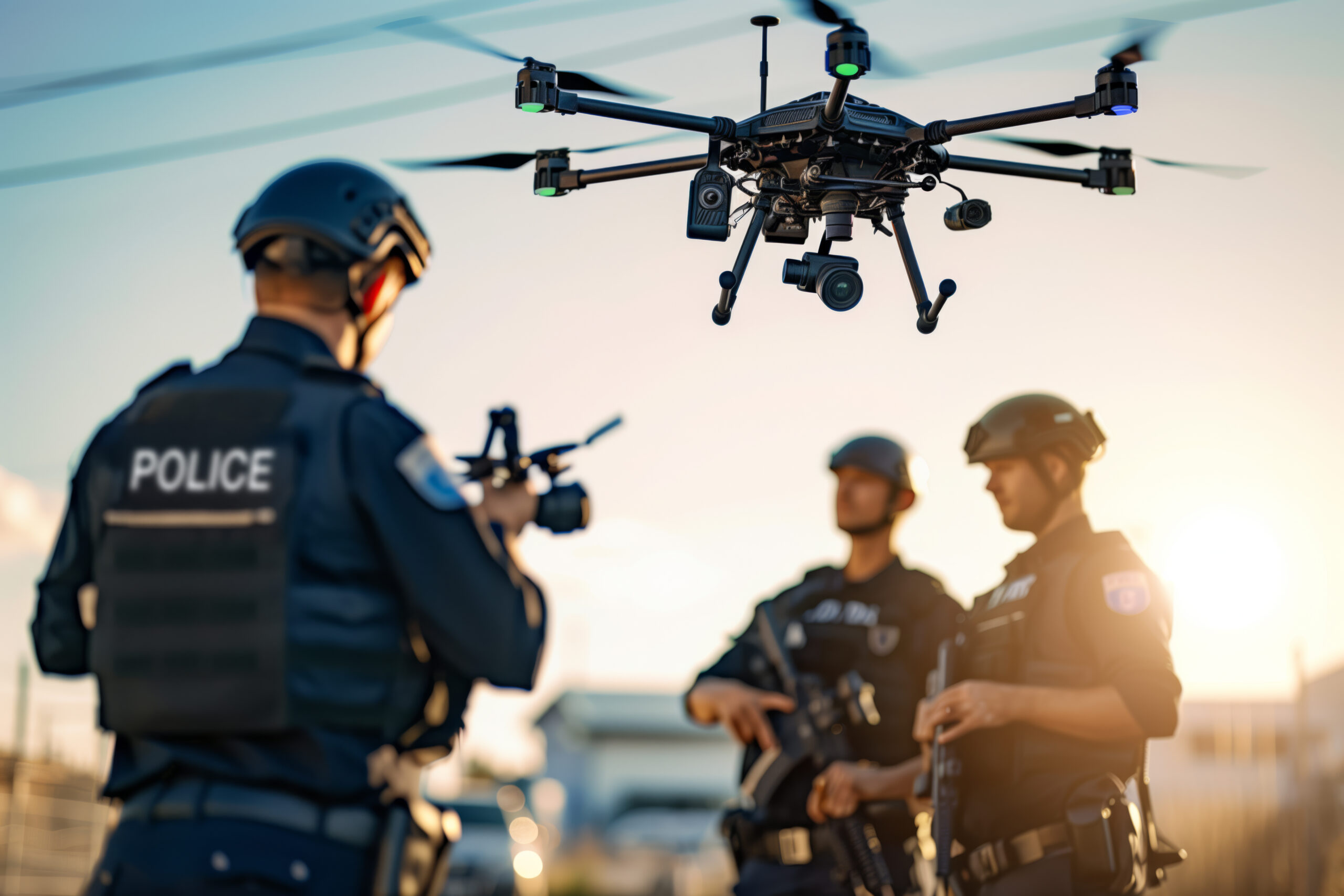
Unmanned Aerial Vehicles - Data provides exact lat/long coordinates to enable drones as first responders (DFR) to fly to crime scene and provide video feed.
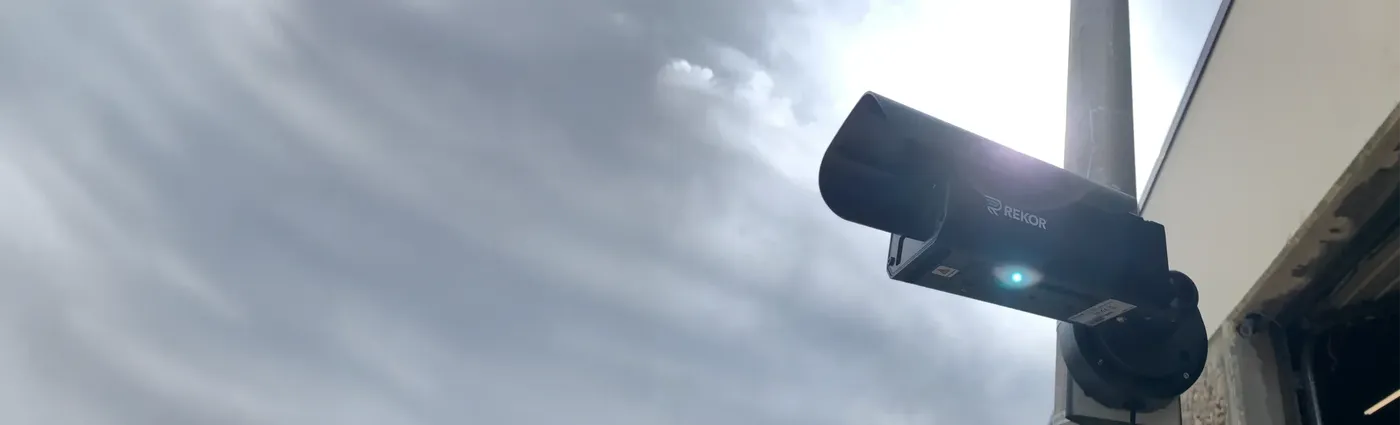
LPR
License Plate Readers - Inform LPRs in proximity to gunfire event with time stamp to search for suspect vehicles.
VMS
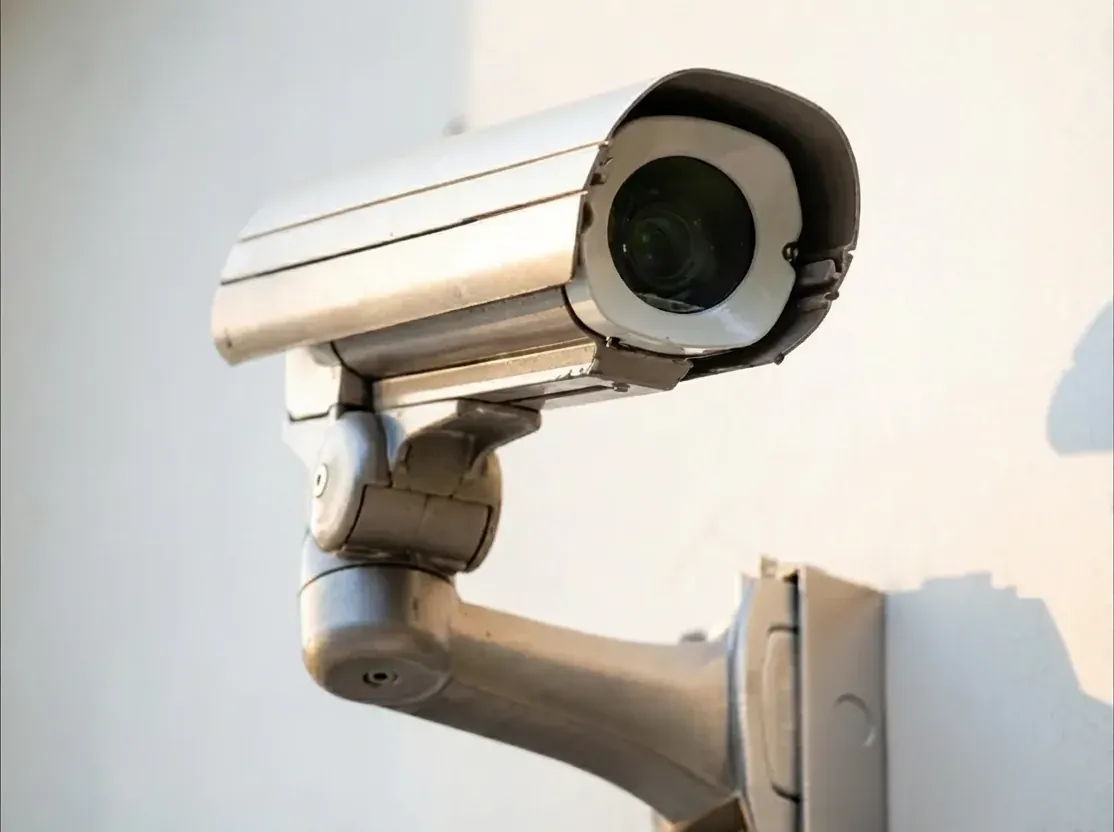
Video Management Systems - ShotSpotter data will point and zoom cameras in the direction of gunfire.
Patrol Management
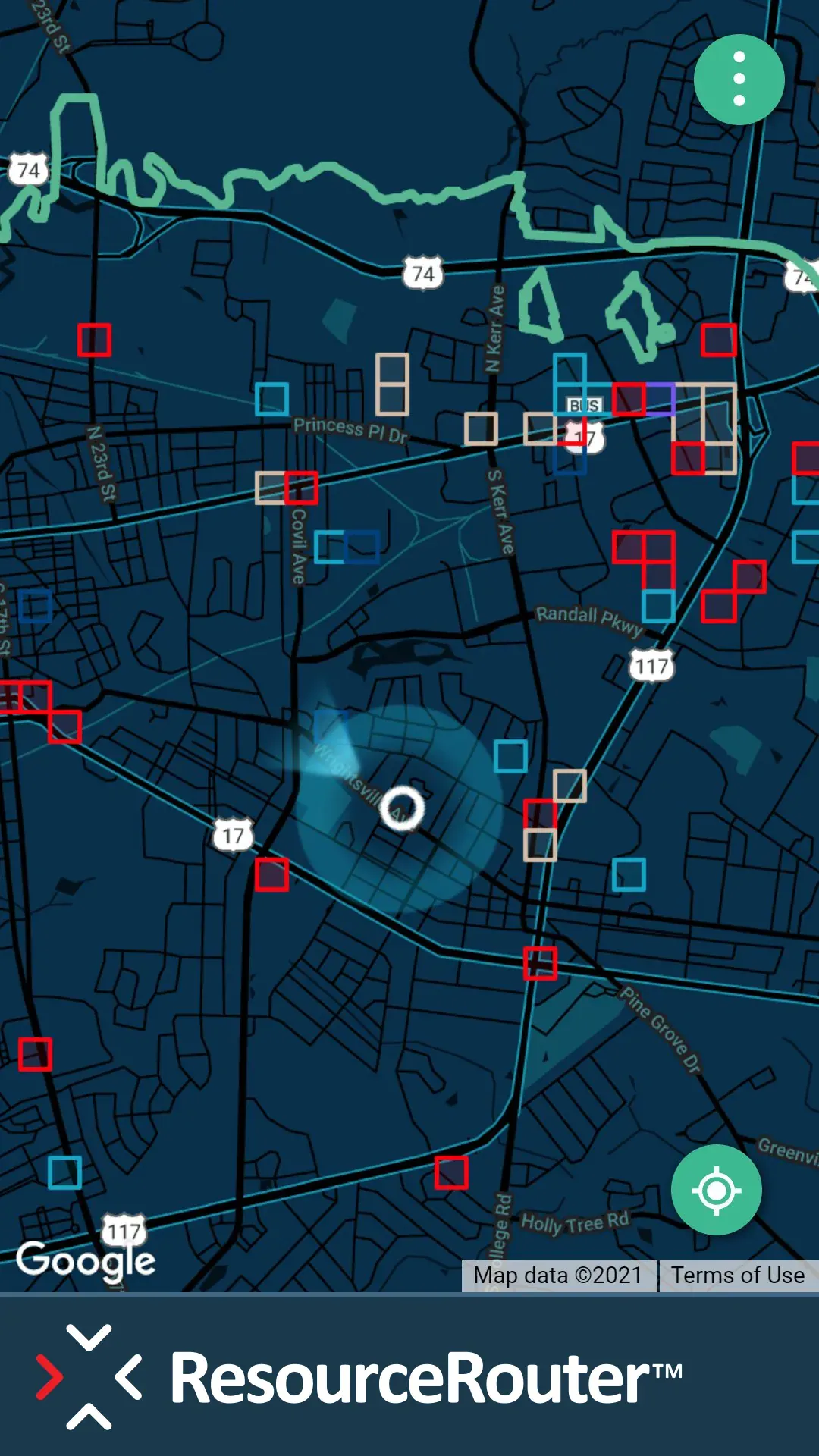
ShotSpotter data updates crime-risk assessment models to modify patrol missions.
ShotSpotter alert data integrates through our push API with RTCCs, drones as first responder (DFR), video management software, CAD/RMS, license plate readers, crime dashboards, access control systems, and other public safety technologies.
Forensic Services Available with ShotSpotter®
ShotSpotter Forensic Services and Litigation Support provides services including critical examination of ShotSpotter evidentiary data and reports to help improve understanding of a shooting incident. ShotSpotter can aid trial attorneys in their presentation of the shooting incident to a jury through the use of our forensic services and products.
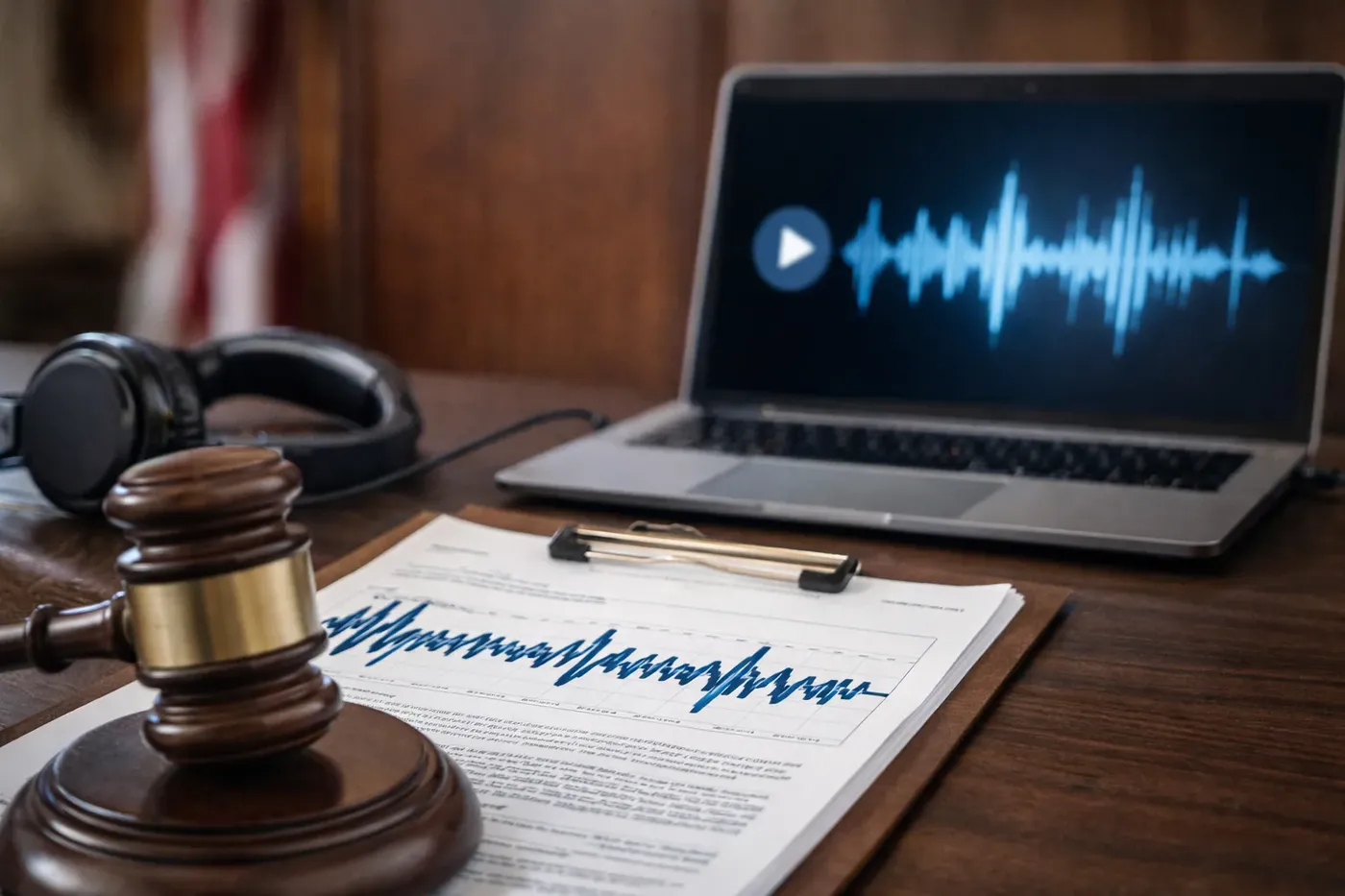
One such product is the Detailed Forensic Report (DFR), a court-admissible analysis of a shooting incident captured by the ShotSpotter system that is produced by expert forensic engineers. It provides critical evidence of how, when, and where the shooting incident occurred. It furnishes demonstrative and dramatic evidence of the shooting incident by capturing the audio of the gunfire that can be replayed to a jury. This can aid in the corroboration or discrediting of other evidence for a case or investigation.
ShotSpotter Forensic Services and Litigation Support
ShotSpotter Forensic Services and Litigation Support provides services including critical examination of ShotSpotter evidentiary data and reports to help improve understanding of a shooting incident. ShotSpotter can aid trial attorneys in their presentation of the shooting incident to a jury through the use of our forensic services and products. One such product is the Detailed Forensic Report (DFR), a court-admissible analysis of a shooting incident captured by the ShotSpotter system that is produced by expert forensic engineers. It provides critical evidence of how, when, and where the shooting incident occurred. It furnishes demonstrative and dramatic evidence of the shooting incident by capturing the audio of the gunfire that can be replayed to a jury. This can aid in the corroboration or discrediting of other evidence for a case or investigation.
See Detailed Forensic Report
An example of gunfire audio that is provided within the DFR
Investigative Services (for Law Enforcement)
Investigative Services are available to subscribing Law Enforcement agencies for incidents detected by the ShotSpotter system. For the limited police investigative purpose of supporting search warrants or officer involved shootings, this service includes a forensic examination of the data captured for the incident and documentation of that examination in the form of the Detailed Forensic Report (DFR). You can click the button below to request this service.
See Detailed Forensic Report
Expert Witness Services (for Attorneys)
Expert Witness Services are available for an incident detected by the ShotSpotter system. In addition to trial preparation and testimony, this service includes a forensic examination of the data captured for the incident and documentation of that examination in the form of the Detailed Forensic Report (DFR). ShotSpotter evidence and ShotSpotter expert witness testimony have been successfully admitted in over 400 court cases in 25 states including the District of Columbia. ShotSpotter forensic evidence has prevailed in fourteen successful Frye challenges and two successful Daubert challenges throughout the United States.
Read the letter of commendation from the Bureau of Alcohol, Tobacco, and Firearms and Explosives about ShotSpotter’s assistance in securing a guilty verdict for an assault of a federal officer and discharging a firearm in a crime of violence.
Expert Witness Services are available at a rate of $350 per hour, minimum of 5 hours. You can click the button below to request this service or email forensicinfo@soundthinking.com to learn more about Expert Witness Services and DFRs.
See Detailed Forensic Report
Business Certification Request
SoundThinking makes and keeps certain records during the normal course of carrying out its business activity. These include Investigative Lead Summaries (ILS) and audio snippets of gunfire. A Business Record Certification, prepared by one of our Forensic Services Managers as records custodian, may allow an attorney to authenticate and introduce these records into court without having to call a witness
See Detailed Forensic Report
Pricing
Pricing
ShotSpotter® pricing is based on the size and scope of the coverage area, so agencies can align deployment with their operational goals, crime reduction plans, and budget.
Connect with Us to Learn More
ShotSpotter® Results
ShotSpotter® empowers law enforcement to save lives, respond faster, and collect critical evidence by precisely locating gunfire in near real-time.
Independent Research on ShotSpotter®
Rigorous studies by leading independent researchers confirm ShotSpotter’s impact on public safety and law enforcement effectiveness.
Authors: Hunter M. Boehme, Marc Olson, Ian T. Adams – Department of Criminology & Criminal Justice, University of South Carolina | Cannon Fulmer – Columbia Police Department, SC
Research • Open Access • PDF Available
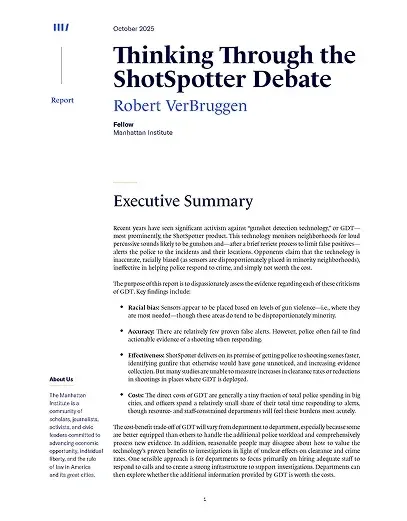
Authors: Robert VerBruggen – fellow at the Manhattan Institute
Policy Analysis / Policy Commentary • PDF Available
Authors: Jillian B. Carr, Assistant Professor of Economics in the Krannert School of Management at Purdue University | Jennifer L. Doleac, Former Brookings Expert, Associate Professor of Economics – Texas A&M University, Director – Justice Tech Lab
Peer-Reviewed Working Paper • PDF Available
Customer Stories
Customer Stories
Connect with Us to Learn More
ShotSpotter® Resources
Access research, results, and privacy resources that provide a clear view of how ShotSpotter® is used and evaluated in real-world settings.
Interested in learning more about ShotSpotter?
FAQ
FAQ
ShotSpotter®
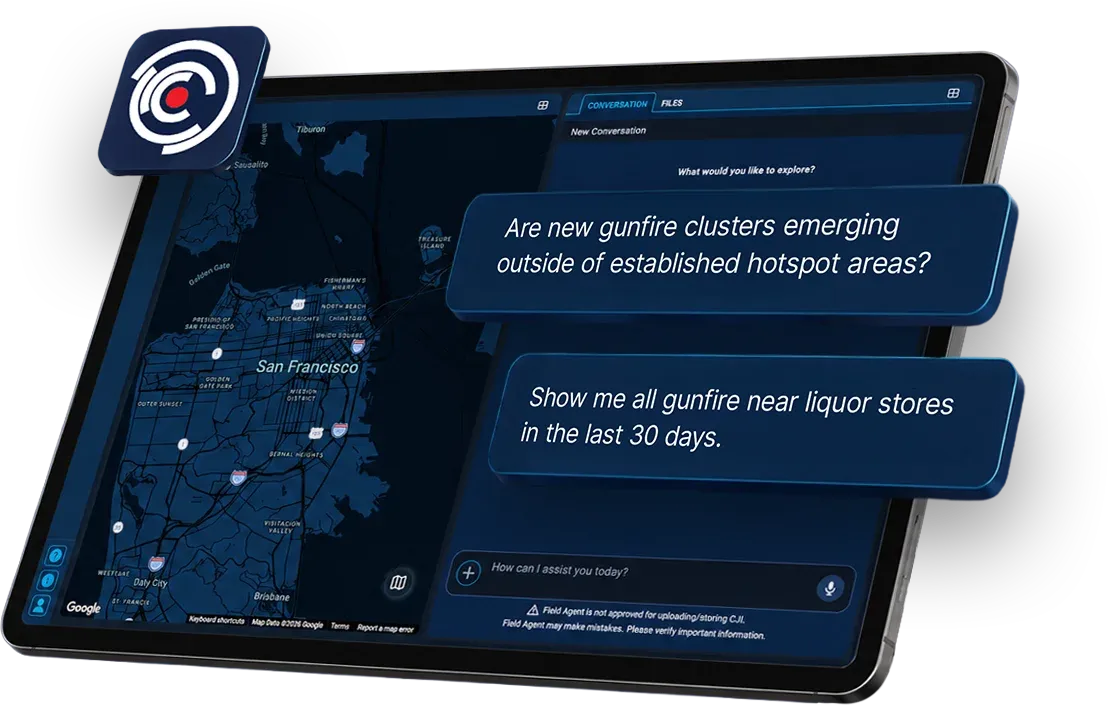
- CrimeTracer™, the #1 law enforcement search engine that enables investigators to search through more than 1B structured and unstructured data across jurisdictions to obtain immediate tactical leads, leverage advanced link analysis to make intelligent connections, link NIBIN leads to reports, suspects, and other entities, and more.
- CaseBuilder®, a smarter investigation management platform that enables investigative teams to efficiently organize and store case information, track and prioritize assignments, optimize resources, submit materials to prosecution, and more.
- CaseBuilder® Crime Gun, the first-of-its-kind gun crime tracking and analysis case management tool that enables agencies to better capture, track, prioritize, analyze, and collaborate on incidents that involve firearms.
- ResourceRouter™ , is a resource management tool that automates the planning of directed patrols and provides transparency around engagement activities across an entire jurisdiction, daily.
ShotSpotter provides police with a tool to respond to and investigate gunshot incidents in a more precise area compared to the 9-1-1 system to avoid canvassing entire blocks or neighborhoods. There is zero data supporting the claim that ShotSpotter puts police on high alert or creates dangerous situations. Rather, ShotSpotter equips police officers with more information than they might typically have when arriving to the scene of a gunshot incident, and they arrive at the scene more situationally aware. Additionally, ShotSpotter provides intelligence that allows police to coordinate a safe and efficient response, requiring fewer resources, and in a way that can enhance community trust.
The ShotSpotter system is highly accurate at detecting outdoor gunshots. From 2019-2021 the system had a 97% aggregate accuracy rate across all of our customers, including a very small customer-reported false positive rate of less than 0.5%.
Gunshot detection by itself is not a panacea for gun violence, but if used as part of a comprehensive gun crime response strategy, it can contribute to a reduction in response times, help to save the lives of GSWs, and improve evidence collection rates. Please visit Results for more details.
ShotSpotter is used in more than 180 cities and is highly regarded by law enforcement as a critical component of gun violence prevention and reduction strategies. ShotSpotter protects a wide range of city types and sizes ranging from urban metropolitan cities such as Las Vegas and New York City; to medium-sized cities such as Boston, Denver, and Oakland; and small cities with populations less than 50,000 such as Richmond, CA and Pleasantville, NJ.
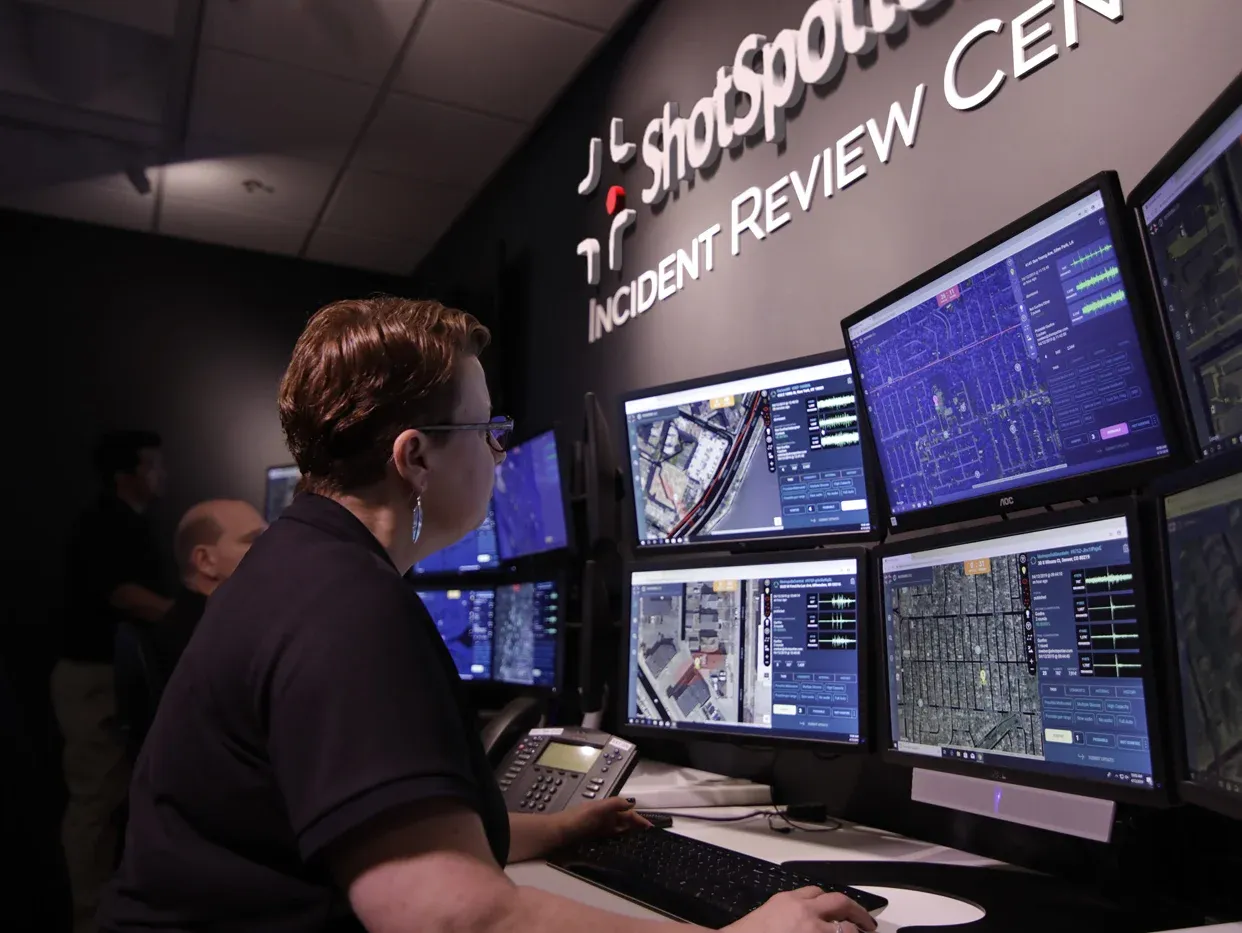
ShotSpotter uses an array of acoustic sensors that are connected wirelessly to ShotSpotter’s centralized, cloud-based application to reliably detect and accurately locate gunshots using triangulation. Each acoustic sensor captures the precise time and audio associated with impulsive sounds that may represent gunfire. This data is used to locate the incident and is then filtered by sophisticated machine algorithms to classify the event as a potential gunshot. Acoustic experts, who are located and staffed in ShotSpotter’s 24×7 Incident Review Center, ensure and confirm that the events are indeed gunfire. They can append the alert with other critical intelligence such as whether a fully automatic weapon was fired or whether there are multiple shooters. This entire process takes less than 60 seconds from the time of the shooting to the digital alert popping onto a screen of a computer in the 911 Call Center or on a patrol officer’s smartphone or mobile laptop.
ShotSpotter® | Privacy
- Audio at the sensor level is purged every 30 hours
- If an incident is created and sent to our Incident Review Center the short audio snippet is stored permanently for evidentiary purposes as well as to train the machine learning model.
- Per the NYU’s Policing Project recommendation, we only store one second of pre- and post-incident audio.
- No personally identifiable information is associated with an incident.
- While an individual sensor could potentially hear a human voice, that sound would be purged within 30 hours with no ShotSpotter employee, police department customer or other 3rd party having the ability to hear it unless an incident was created
- Human voices are not loud enough to trigger sensors and are rarely heard as part of an incident under review. The person would have to be screaming very loudly above the loud sound that initiated the incident and the audio last only a few seconds.
- In the past extended audio was available to police agencies and prosecutors for court cases. This is no longer possible under new policy and technology controls.
- There is no ability to listen to live streamed audio from the sensor
- If the system misses a gunfire incident, police may contact the company to see if there is any audio or location evidence. In this case, only authorized ShotSpotter personnel with proper credentials can access sensor audio to search. Their search is limited to the 30- hour sensor storage timeframe. The agency must provide evidence of a shooting in order for ShotSpotter personnel to initiate access to a sensor such as a victim, witness or shell casings. Searching is done visually first, not by listening, to identify when impulsive sound events occurred. Once these events are noted, a short portion of the audio is downloaded for auditory review. An audit trail tracks who accessed the sensor and who requested the audio search.
- The Policing Project of NYU Law School conducted an independent audit of ShotSpotter’s gunshot detection system to evaluate the privacy risk. In July 2019 they published a report that stated that there is an extremely low risk of human voice surveillance.
- The Oakland Privacy Advisory Commission reviewed ShotSpotter in November 2019 under one the most stringent local surveillance ordinances in the country. The Commission unanimously approved the continued use of ShotSpotter
- In 2020, the ShotSpotter system passed review by the San Francisco Privacy Advisory and Surveillance Board.
- Sensors are placed high above the street typically on building or streetlights to avoid street level sounds and the microphones used are not specialized in any way (i.e. everyday cell phone quality)
- The system is tuned to listen for loud impulsive sounds that are gunshots or similar to gunshots (fireworks, car backfires) and takes no action on other sounds that would include street level sounds or human voices
- The sensors store a limited amount of audio locally and that audio is automatically purged every 30 hours
- Sensors are triggered and an incident created only when 3 or more sensors hear the same loud impulsive sound and can verify a location. This creates an incident and sends a short audio snippet to the ShotSpotter Incident Review center. The snippet has the gunfire and 1 second of audio prior to and after the gunfire to establish an ambient noise level. Audio snippets are typically only a few seconds long unless there is a gun battle.
- The company’s culture of privacy protection builds in proper measures when new features or processes are contemplated
- CrimeTracer™, the #1 law enforcement search engine that enables investigators to search through more than 1B structured and unstructured data across jurisdictions to obtain immediate tactical leads, leverage advanced link analysis to make intelligent connections, link NIBIN leads to reports, suspects, and other entities, and more.
- CaseBuilder®, a smarter investigation management platform that enables investigative teams to efficiently organize and store case information, track and prioritize assignments, optimize resources, submit materials to prosecution, and more.
- CaseBuilder® Crime Gun, the first-of-its-kind gun crime tracking and analysis case management tool that enables agencies to better capture, track, prioritize, analyze, and collaborate on incidents that involve firearms.
- ResourceRouter™ , is a resource management tool that automates the planning of directed patrols and provides transparency around engagement activities across an entire jurisdiction, daily.
ShotSpotter provides police with a tool to respond to and investigate gunshot incidents in a more precise area compared to the 9-1-1 system to avoid canvassing entire blocks or neighborhoods. There is zero data supporting the claim that ShotSpotter puts police on high alert or creates dangerous situations. Rather, ShotSpotter equips police officers with more information than they might typically have when arriving to the scene of a gunshot incident, and they arrive at the scene more situationally aware. Additionally, ShotSpotter provides intelligence that allows police to coordinate a safe and efficient response, requiring fewer resources, and in a way that can enhance community trust.
The ShotSpotter system is highly accurate at detecting outdoor gunshots. From 2019-2021 the system had a 97% aggregate accuracy rate across all of our customers, including a very small customer-reported false positive rate of less than 0.5%.
Gunshot detection by itself is not a panacea for gun violence, but if used as part of a comprehensive gun crime response strategy, it can contribute to a reduction in response times, help to save the lives of GSWs, and improve evidence collection rates. Please visit Results for more details.
ShotSpotter is used in more than 180 cities and is highly regarded by law enforcement as a critical component of gun violence prevention and reduction strategies. ShotSpotter protects a wide range of city types and sizes ranging from urban metropolitan cities such as Las Vegas and New York City; to medium-sized cities such as Boston, Denver, and Oakland; and small cities with populations less than 50,000 such as Richmond, CA and Pleasantville, NJ.
ShotSpotter uses an array of acoustic sensors that are connected wirelessly to ShotSpotter’s centralized, cloud-based application to reliably detect and accurately locate gunshots using triangulation. Each acoustic sensor captures the precise time and audio associated with impulsive sounds that may represent gunfire. This data is used to locate the incident and is then filtered by sophisticated machine algorithms to classify the event as a potential gunshot. Acoustic experts, who are located and staffed in ShotSpotter’s 24×7 Incident Review Center, ensure and confirm that the events are indeed gunfire. They can append the alert with other critical intelligence such as whether a fully automatic weapon was fired or whether there are multiple shooters. This entire process takes less than 60 seconds from the time of the shooting to the digital alert popping onto a screen of a computer in the 911 Call Center or on a patrol officer’s smartphone or mobile laptop.
- Audio at the sensor level is purged every 30 hours
- If an incident is created and sent to our Incident Review Center the short audio snippet is stored permanently for evidentiary purposes as well as to train the machine learning model.
- Per the NYU’s Policing Project recommendation, we only store one second of pre- and post-incident audio.
- No personally identifiable information is associated with an incident.
- While an individual sensor could potentially hear a human voice, that sound would be purged within 30 hours with no ShotSpotter employee, police department customer or other 3rd party having the ability to hear it unless an incident was created
- Human voices are not loud enough to trigger sensors and are rarely heard as part of an incident under review. The person would have to be screaming very loudly above the loud sound that initiated the incident and the audio last only a few seconds.
- In the past extended audio was available to police agencies and prosecutors for court cases. This is no longer possible under new policy and technology controls.
- There is no ability to listen to live streamed audio from the sensor
- If the system misses a gunfire incident, police may contact the company to see if there is any audio or location evidence. In this case, only authorized ShotSpotter personnel with proper credentials can access sensor audio to search. Their search is limited to the 30- hour sensor storage timeframe. The agency must provide evidence of a shooting in order for ShotSpotter personnel to initiate access to a sensor such as a victim, witness or shell casings. Searching is done visually first, not by listening, to identify when impulsive sound events occurred. Once these events are noted, a short portion of the audio is downloaded for auditory review. An audit trail tracks who accessed the sensor and who requested the audio search.
- The Policing Project of NYU Law School conducted an independent audit of ShotSpotter’s gunshot detection system to evaluate the privacy risk. In July 2019 they published a report that stated that there is an extremely low risk of human voice surveillance.
- The Oakland Privacy Advisory Commission reviewed ShotSpotter in November 2019 under one the most stringent local surveillance ordinances in the country. The Commission unanimously approved the continued use of ShotSpotter
- In 2020, the ShotSpotter system passed review by the San Francisco Privacy Advisory and Surveillance Board.
- Sensors are placed high above the street typically on building or streetlights to avoid street level sounds and the microphones used are not specialized in any way (i.e. everyday cell phone quality)
- The system is tuned to listen for loud impulsive sounds that are gunshots or similar to gunshots (fireworks, car backfires) and takes no action on other sounds that would include street level sounds or human voices
- The sensors store a limited amount of audio locally and that audio is automatically purged every 30 hours
- Sensors are triggered and an incident created only when 3 or more sensors hear the same loud impulsive sound and can verify a location. This creates an incident and sends a short audio snippet to the ShotSpotter Incident Review center. The snippet has the gunfire and 1 second of audio prior to and after the gunfire to establish an ambient noise level. Audio snippets are typically only a few seconds long unless there is a gun battle.
- The company’s culture of privacy protection builds in proper measures when new features or processes are contemplated
Ready to Improve Gunfire Response in Your City?
Speak with our team to understand coverage, costs, integrations, and real outcomes.
1
Connect with Our Team
A representative will reach out by email or phone to schedule a brief introductory call.
2
Discuss Your Needs
During this call, we’ll discuss the specific challenges faced by your agency and explore how we can help.
3
Personalized Solution

We will connect you with a solution architect who will provide a tailored demo and outline a clear roadmap.