Officer safety: A drone can identify whether a suspect is still on scene, whether a weapon is visible, or whether a vehicle is fleeing before an officer ever turns onto the block.
ShotSpotter and Drone as First Responder:
Inside Omaha PD's Real-World Integration

ShotSpotter and Drones as First Responder: Inside Omaha PD’s Real-World Integration
Gunfire happens fast, and most of it never gets reported. At the 2026 National Sheriff’s Association Conference in Omaha, Frank Peck, Chief Pilot of Omaha PD’s air support unit, and I had the privilege of speaking to a room of sheriffs, chiefs, and officers about how gunshot detection works with a drone as first responder (DFR) program in the field.
Most Gunfire Doesn’t Get Reported
Roughly 80% of gunfire is not reported to police. People hear a noise, assume it was something else, or simply don’t want to get involved. Without gunshot detection technology, agencies are working from an incomplete picture of gun violence in their own communities.
ShotSpotter® closes that gap. Acoustic sensors detect gunfire, a computer locates it, and a human reviewer confirms it as gunfire, all within roughly 60 seconds. The alert goes out to command staff, dispatch, real-time crime centers, and patrol officers at the same time, complete with a precise location and an audio file officers can use to determine how many rounds were fired and whether the shooter was moving.
From Detection to Drone Launch in Under 90 Seconds
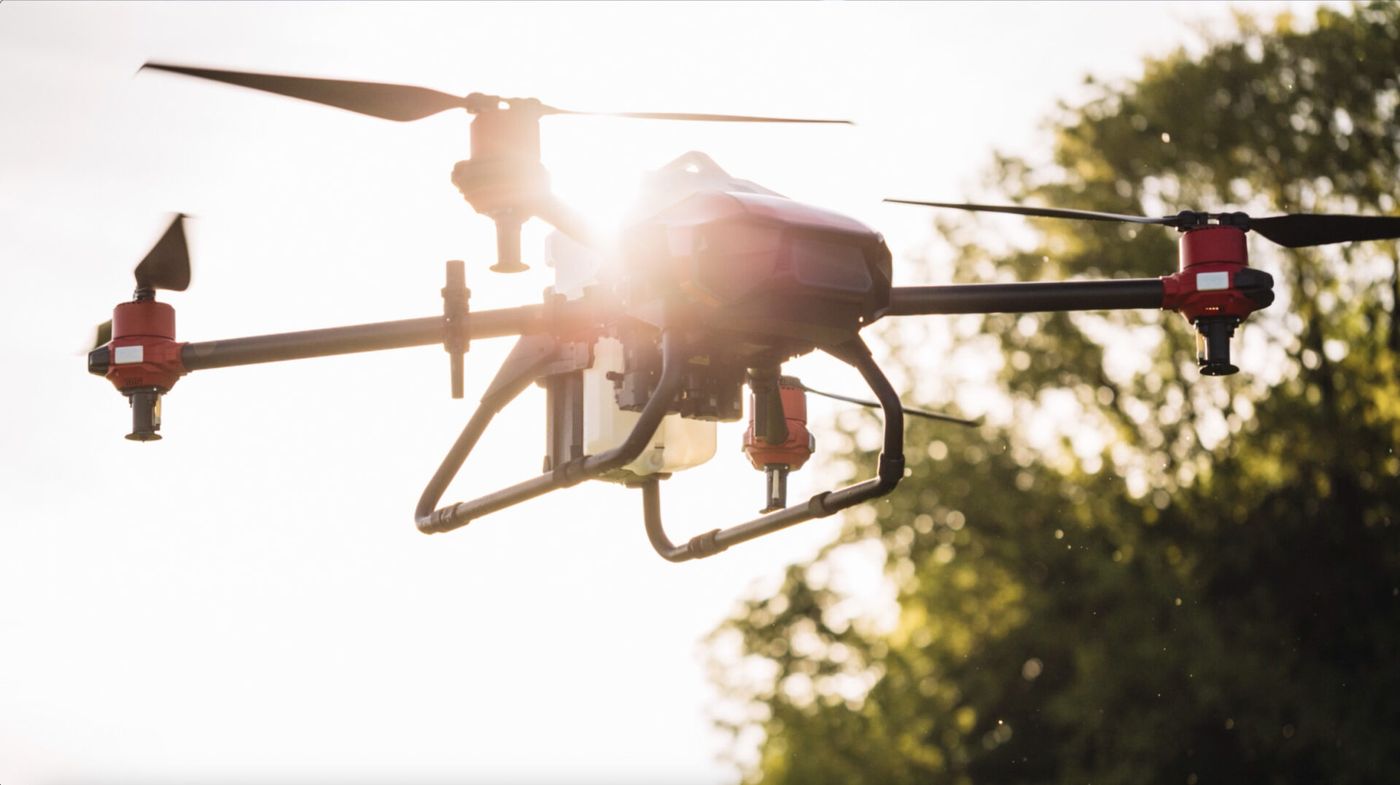
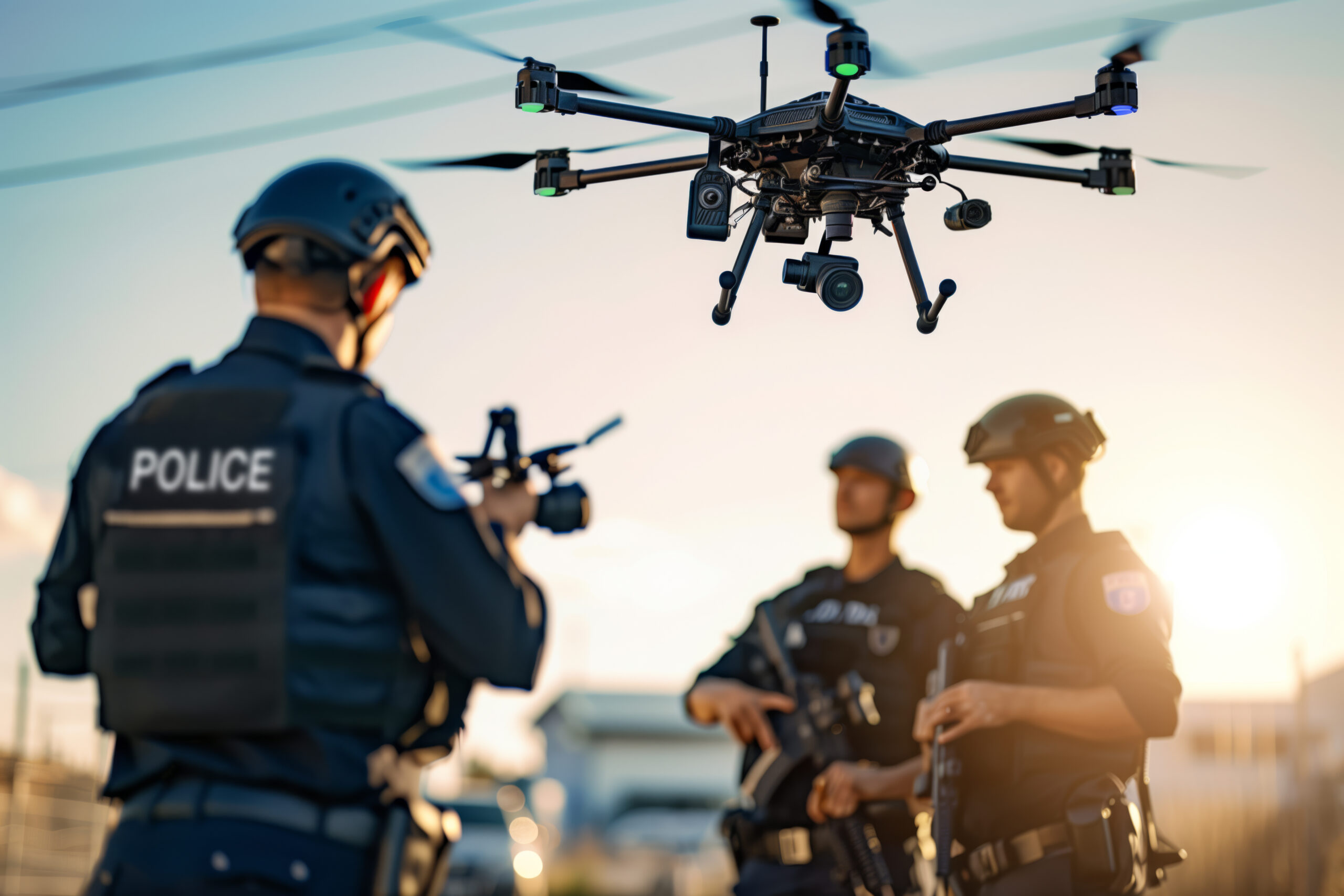
In Omaha, a ShotSpotter activation now triggers more than a dispatch notification. It feeds directly into the department’s drone dashboard, and a pilot can launch a drone toward the exact location in about 20 seconds. Peck says the drone is typically on scene and provides aerial video within 90 seconds, often well ahead of the first patrol unit.
That head start matters for three reasons:
Victim care: Faster confirmation of what’s actually happening on scene means faster direction to render aid.
Evidence collection: Aerial footage captures the scene as it exists in the moments after gunfire, before witnesses disperse.
A Case That Predates DFR and Why It Matters
During my time at Omaha PD, I recalled a 2011 Omaha case in which officers responding to gunfire were initially directed to the wrong location. The officers heard the gunfire. They told dispatch the gunfire was somewhere west and south of their location. Within 60 seconds, the ShotSpotter alert was published and corrected the precise location of the gunfire to the northwest of the officers. Officers ultimately found a suspect with a firearm, and an officer-involved shooting occurred. The suspect was wounded and taken into custody. Further down the alley, precisely where the ShotSpotter alert was located, officers found a shooting victim.
Unfortunately, the victim was dead at the scene. The 1st Degree Murder case went to trial, and the conviction was upheld on appeal, in part, based on the ShotSpotter evidence.
I used this case as an example to illustrate what could have changed if a drone had been added to that workflow. A ShotSpotter alert removes the guesswork about location, and a drone launched at the same moment would have given officers a visual picture of the alley before they ever entered it. What would it have revealed? A person down in the alley, a person walking away from the area. Also, drones can detect the heat source from expended shell casings left at the scene. To everyone reading this blog, ShotSpotter gunfire detection followed by an immediate drone response has “changed the game.” Let me be clear, ShotSpotter integrated with drone response is a “game changer”. As you all know, gunfire, shootings, and homicides are not a “game”, but you get my point.
How Omaha PD Built Its Drone-as-First-Responder Program
Frank Peck’s experience is invaluable, and he gave an inside look at the infrastructure behind Omaha PD’s program, which now runs nine drone docks across the city.
Rapid launch: Drones climb to 200 feet and travel to the ShotSpotter location autonomously under a Beyond Visual Line of Sight (BVLOS) waiver, which Omaha PD was among the first departments in the country to receive.
One pilot, multiple drones: Under an FAA “one-to-many” authorization, a single pilot can legally operate up to four drones, allowing a fresh drone to take over a scene as another’s battery runs low.
Built-in accountability: Flight paths and camera activity are logged, so command staff can account for exactly where a drone flew and what it recorded if a complaint comes in.
Evidence integration: Footage uploads automatically to the department’s Axon Evidence.com account when a drone returns to dock, cutting out manual evidence handling.
Weather flexibility: Drones can fly with as little as one mile of visibility and clear-of-clouds conditions, well below the minimums required for Omaha PD’s helicopter unit, giving the department air coverage even when aircraft are grounded.
What Agencies Without a Dock Network Can Do
One of the most common questions from the audience was whether this kind of program is realistic for agencies covering large, rural counties where dropping dozens of fixed docks isn’t practical. Peck’s answer is that agencies don’t need a dock network to get value from drone response. A portable drone unit can travel in a patrol vehicle, and once it’s powered on in the field, a remote pilot elsewhere in the department, or even at another agency through a mutual aid arrangement, can take control and fly it without being on scene.
Why Integrated Technology Matters
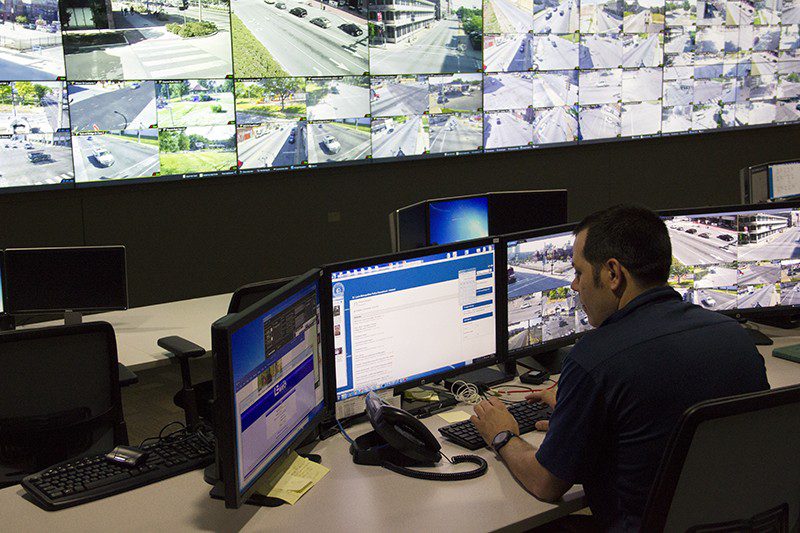
The session closed with Peck making a strong point that has implications for law enforcement everywhere. Agencies are short-staffed, and the ShotSpotter integration with DFR – especially with a real-time crime center (RTCC) – functions as a force multiplier. It doesn’t replace officers on the street. It gives them better information before they arrive, improving situational awareness, which can mean clearing calls faster, keeping officers safer, and building a stronger evidentiary record when a case goes to court.
Want to talk through what a program like this could look like for your agency? Book a demo to see how ShotSpotter can integrate with your DFR program and RTCC.
Was this article helpful?
1 person has found this helpful.


Search for More Insights
Here are some other topics you might be interested in: