ShotSpotter Forensic Services
Quickly identifying shooter movement

Campus environments are designed to inspire learning, creativity, and community—not fear. Yet the rise in shootings on and near college campuses has made clear that early detection, rapid response, and strong investigative capabilities are essential for keeping students and staff safe.
Modern gunshot detection technology has become a critical piece of this mission. But detecting gunfire is only one part of the safety equation. Campuses can benefit from court-admissible forensic intelligence that helps them understand what happened, debrief, support investigations, and strengthen future prevention efforts.
That’s where ShotSpotter Forensic Services and Litigation Support comes in—providing deeper insight, clearer timelines, and expert analysis to help campus security teams and law enforcement respond smarter, faster, and more effectively.
ShotSpotter Forensic Services
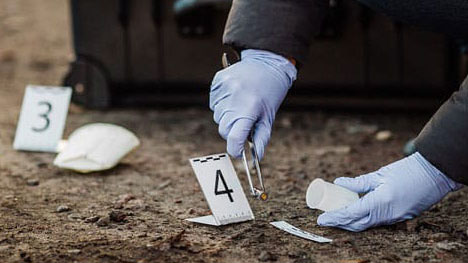
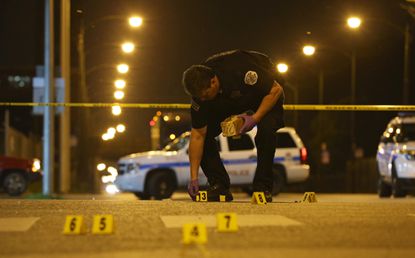
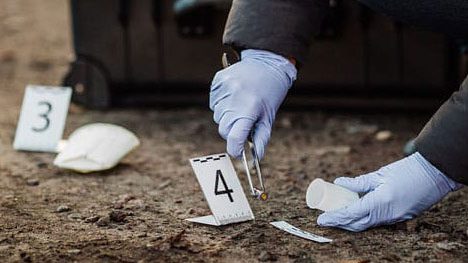
When a shooting occurs, investigators are immediately confronted with a series of complex questions: where the rounds were fired, how many shots were discharged and in what sequence, how much time passed between each one, and the shooter’s location during the incident. They also need to determine how the timeline of events aligns with witness accounts, video evidence, and 9-1-1 calls.
ShotSpotter Forensic Services—admitted as expert evidence in courts across 25 states, with experts testifying in more than 400 cases to date—provide precise, court-admissible answers.
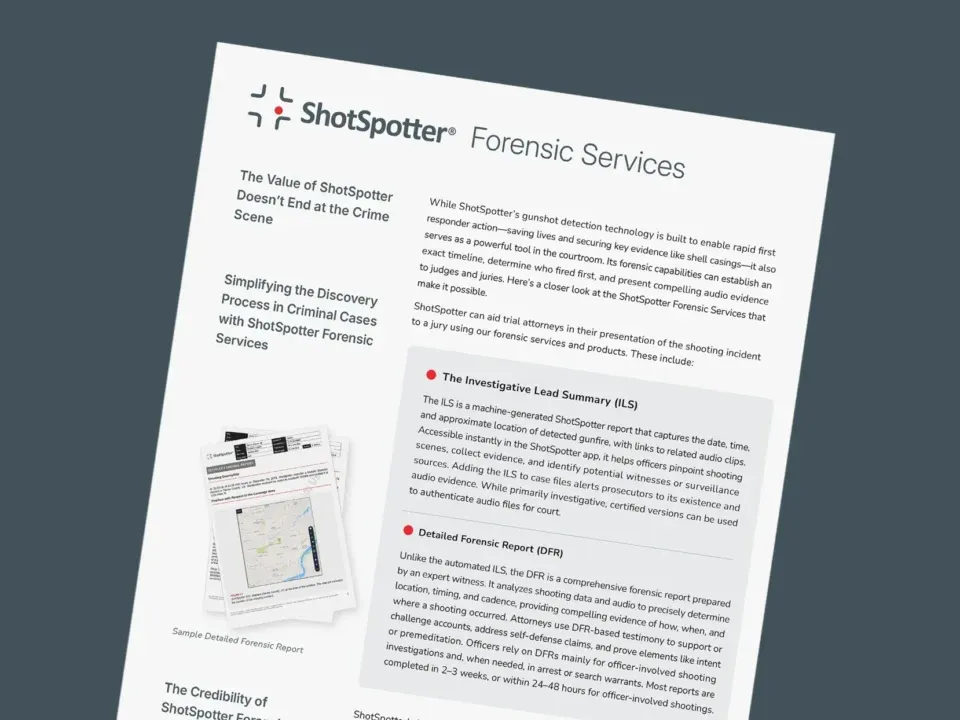
These services include:
The ILS is a machine-generated ShotSpotter report that captures the date, time, and approximate location of detected gunfire, with links to related audio clips. Accessible instantly in the ShotSpotter app, it helps officers pinpoint shooting scenes, collect evidence, and identify potential witnesses or surveillance sources.
For campus police, the ILS is invaluable for:
Quickly identifying shooter movement
Aligning gunfire data with video, dispatch logs, and eyewitness accounts
Supporting Clery Act reporting and internal after-action reviews
Advancing transparency by sharing with university’s senior leadership
Unlike the automated ILS, the DFR is developed by a trained expert witness who conducts a full forensic examination of the shooting. By analyzing acoustic signatures and other incident data, the report identifies exactly where shots were fired, how they were sequenced, and the timing between each one—creating a clear picture of what happened. Attorneys draw on DFR findings and testimony to support or challenge statements, evaluate self-defense claims, and establish elements such as intent or premeditation. Reports are generally completed within 2–3 weeks, or within 24–48 hours for officer-involved incidents.
For campuses, the DFR strengthens:
Criminal prosecutions
Clery-mandated documentation
Civil litigation defense
Transparency and accountability
1. Faster, Clearer Incident Reconstruction
Reconstructing the timeline of a shooting is often complex and chaotic. The ILS and DFR provide objective, precise data—removing guesswork and improving situational clarity.
2. Enhanced Clery Act Compliance
Accurate timing and location data support the timely warnings, emergency notifications, and documentation disclosures that campuses are federally required to provide.
3. Stronger Partnerships with Local Law Enforcement
Forensic reports streamline cross-agency collaboration, improving prosecutions, and reducing misinterpretations.
4. Improved Emergency Preparedness
Shot-sequence data reveals patterns such as shooter movement, tactical communication, future response protocols, and enhanced lockdown protocols
5. Support for Litigation and Liability Defense
Court-admissible reports and expert testimony safeguard institutions facing civil claims or investigations related to shootings on or near campus.
When gunfire occurs on campus, every second and every detail matters. ShotSpotter provides that immediate awareness. But the value of ShotSpotter doesn’t end at the crime scene.
By combining real-time gunshot alerts with court-admissible forensic analysis, SoundThinking empowers campus law enforcement to protect their communities with unmatched clarity and confidence.
Because safer campuses don’t just respond to violence—they understand it, learn from it, and use intelligence to prevent the next tragedy.
Learn More About How ShotSpotter Can Protect Your Campus.